
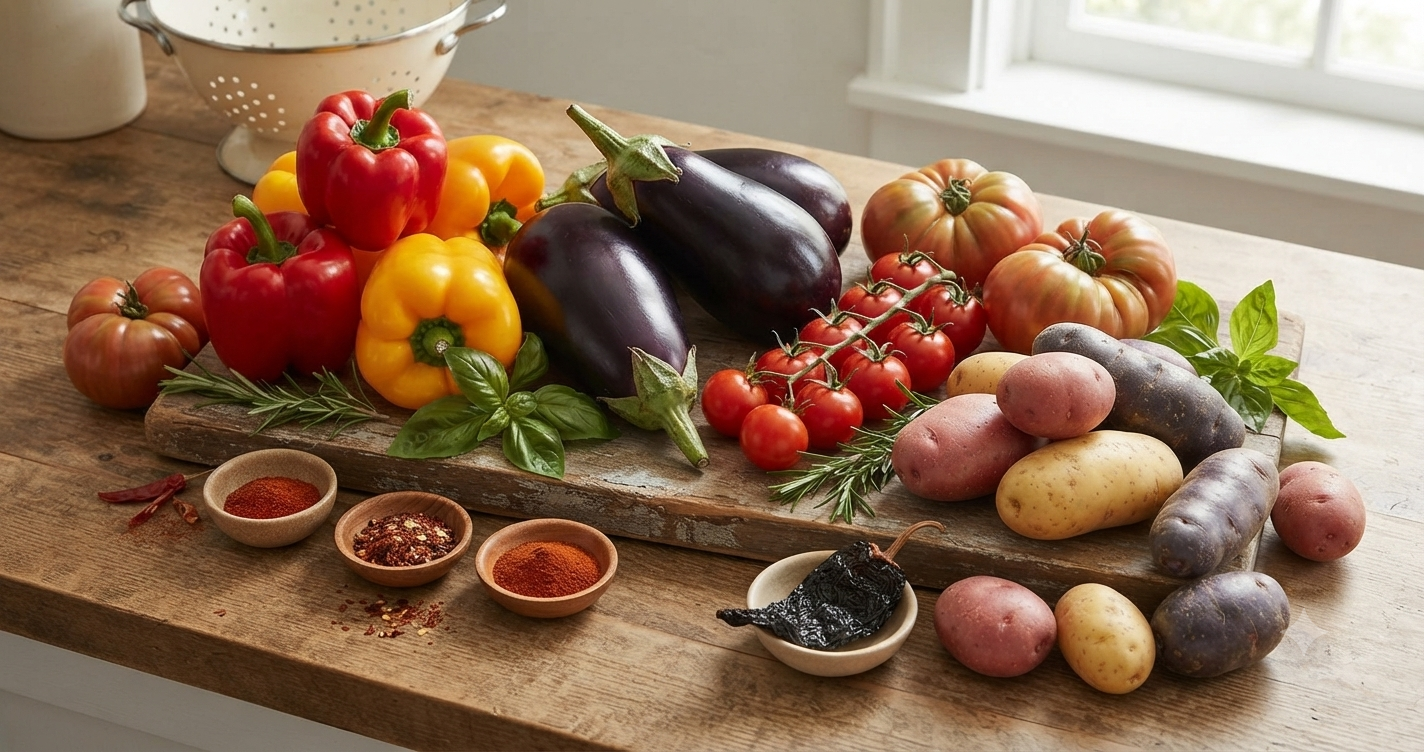
Nightshades sit in nearly every American kitchen. Tomatoes, potatoes, and peppers all belong to this plant family. However, many people search for a n
Nightshades sit in nearly every American kitchen. Tomatoes, potatoes, and peppers all belong to this plant family. However, many people search for a nightshade vegetable list without knowing why it matters. Some folks feel worse after eating these foods. Meanwhile, others notice no difference at all. For example, some individuals report symptom changes after avoiding nightshade vegetables, while others experience no noticeable effects. Therefore, this article breaks down the science, the myths, and the practical steps for anyone curious about nightshades and their role in daily nutrition.
Understanding the Nightshade Vegetables List and Plant Chemistry
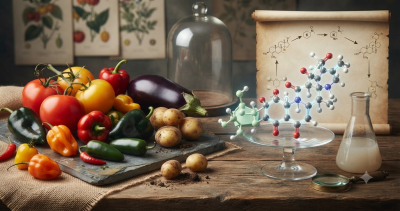
Nightshades belong to the Solanaceae plant family. This group includes over 2,000 species worldwide. Only a small portion end up on dinner plates. The typical nightshade vegetables list includes tomatoes, potatoes, eggplant, and peppers. These plants naturally produce alkaloids as a defense mechanism. Alkaloids protect the plant from insects and predators. Solanine is one of the most studied alkaloids in this family. Researchers have linked high solanine intake to digestive discomfort in sensitive individuals. However, cooking and ripening significantly reduce alkaloid levels. Most people tolerate normal nightshade consumption without any issue at all.
Common Nightshade Vegetables
- Tomatoes
- White potatoes (not sweet potatoes)
- Eggplant (Aubergine)
- Bell peppers (red, green, yellow, orange)
- Jalapeño peppers
- Serrano peppers
- Habanero peppers
- Cayenne peppers
- Banana peppers
- Poblano peppers
- Anaheim peppers
- Cherry peppers
- Cubanelle peppers
- Scotch bonnet peppers
- Ghost peppers
- Fresno peppers
- Thai chili peppers
- Pimento peppers
- Paprika peppers (used to make paprika spice)
- Tomatillos
- Goji berries (Wolfberries)
Nightshades and Gut Health: What Research Actually Shows
Scientific interest in nightshades and digestion has grown recently. Some studies suggest alkaloids may affect gut lining permeability. This effect appears strongest in people with existing digestive conditions. Researchers have not found strong evidence linking nightshades to disease in the general population. Most reactions remain individual rather than universal. A 2020 review in food science journals noted the limited number of large-scale human trials. This means much of the concern stems from anecdotal reports rather than controlled research. Still, personal experience matters when tracking symptoms. Paying attention to your body remains a valuable research tool.
Signs Your Body May Be Reacting to Nightshades
- Bloating or digestive discomfort after meals
- Joint stiffness or swelling
- Skin flare-ups or unexplained rashes
- Fatigue or persistent brain fog
- Headaches or migraine episodes
The Elimination Diet Approach for Nightshade Sensitivity
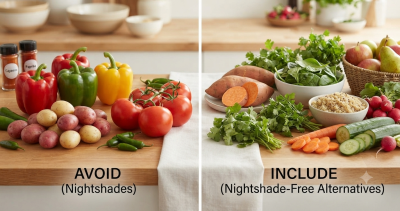
An elimination diet remains the most reliable way to test sensitivity. This method removes suspected foods, then reintroduces them slowly. Many registered dietitians recommend this approach over guesswork. It allows your body to reveal patterns over time. Journaling symptoms daily improves accuracy during the process. Rushing reintroduction often leads to confusing or unclear results. Patience during this process makes a real difference. Working with a healthcare provider adds an extra layer of safety, especially for people managing chronic conditions or taking regular medications.
Step-by-Step Guide to Testing Nightshade Tolerance
- Remove all nightshades for three to four weeks
- Track symptoms in a daily food journal
- Reintroduce one nightshade food at a time
- Wait forty-eight to seventy-two hours between foods
- Note any reactions before adding the next item
Nightshades and Skin Health
Skin conditions sometimes prompt people to question their diet. For example, eczema and psoriasis have both been linked to inflammation. Some patients report improvement after removing nightshades temporarily. However, dermatology research on this connection remains limited but growing. Diet is only one factor among many skin triggers. Additionally, stress, sleep, and skincare products also play major roles. Anyone noticing consistent flare-ups after certain meals should track patterns carefully. Therefore, a dermatologist can help rule out other causes first. Nightshades alone rarely explain chronic skin issues without additional contributing factors present.
Common Myths About the Nightshade Vegetables List, Debunked
Misinformation spreads quickly around trending diet topics. Nightshades have become a popular target for blanket claims. Not every myth holds up under scientific scrutiny. Understanding the difference between fact and assumption helps consumers make informed choices. Some claims exaggerate risk for the average healthy eater. Others ignore genuine concerns for sensitive populations. Separating these categories requires looking at actual research rather than social media trends. Human Health Tips encourages readers to verify claims before eliminating entire food groups without cause.
Nightshade Myths vs Facts
- Myth: All nightshades are equally inflammatory
- Myth: Organic nightshades contain zero alkaloids
- Fact: Ripeness directly affects alkaloid levels
- Fact: Individual reactions vary widely between people
- Myth: Cooking removes every irritant completely
Cooking Techniques That May Reduce Nightshade Compounds
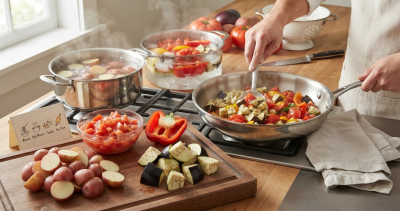
Preparation methods can lower alkaloid content noticeably. Peeling and deseeding removes concentrated compound areas first. Boiling potatoes reduces solanine more than baking does. Slow cooking also breaks down certain irritants over time. Choosing fully ripened produce lowers overall alkaloid exposure. Green or sprouted potatoes contain the highest solanine levels. Discarding these before cooking is always the safest choice. Simple kitchen habits make a measurable difference for sensitive eaters who still want to enjoy nightshade vegetables occasionally.
Best Preparation Methods for Sensitive Individuals
- Peel and deseed vegetables before cooking
- Choose slow-roasting or long simmering methods
- Remove skins after boiling whenever possible
- Pair meals with anti-inflammatory herbs and spices
- Select riper, fully mature produce always
Nightshades During Pregnancy and for Children
Pregnant women often ask about food safety more closely. Nightshades are generally considered safe during pregnancy for most people. Moderate consumption fits within standard prenatal nutrition guidelines. Children can also eat nightshades as part of a balanced diet. Introducing new foods gradually helps identify any early sensitivities. Pediatricians rarely restrict nightshades without a specific medical reason. Families with autoimmune history sometimes choose extra caution anyway. Consulting a doctor before major dietary changes remains the safest approach for pregnant women and growing children alike.
How the Nightshade Vegetables List Compares to Other Plant Families
Confusion often arises around which foods actually qualify. However, sweet potatoes are frequently mistaken for true nightshades. They belong to an entirely different plant family instead. Black pepper also gets confused despite its unrelated origin. Therefore, understanding botanical classification helps clarify a proper nightshade vegetables list. This distinction matters for anyone following an elimination protocol. Additionally, mislabeling foods can lead to unnecessary restriction or confusion during testing. Accurate information supports better dietary decisions across the board for everyday households.
Foods Often Mistaken for Nightshades
- Sweet potatoes
- Black pepper
- Yams
- Carrots
- Beets
Building a Balanced Plate on an Anti-Inflammatory Protocol
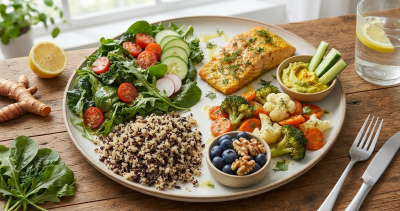
Removing nightshades does not mean sacrificing nutrition. Plenty of colorful, nutrient-dense alternatives exist for substitution. Leafy greens, squash, and root vegetables fill nutritional gaps easily. Balanced meals still require variety across food groups. Protein, healthy fats, and fiber remain essential regardless of restrictions. Working with a nutritionist helps prevent unintended deficiencies during elimination phases. Human Health Tips recommends focusing on whole foods rather than processed substitutes. A thoughtful, varied plate supports long-term wellness better than strict avoidance alone ever could.
Frequently Asked Questions About Nightshade Vegetables
Why do some people react negatively to nightshade vegetables?
Individual sensitivity varies based on gut health, genetics, and existing inflammation. Alkaloids like solanine may irritate the digestive lining in certain people more than others.
What foods are included on a typical nightshade vegetables list?
Common examples include tomatoes, potatoes, eggplant, bell peppers, and hot peppers. Goji berries and tomatillos also belong to this same plant family.
How can someone test their personal tolerance to nightshades?
An elimination diet works best for testing tolerance safely. Remove nightshades for several weeks, then reintroduce them slowly while tracking symptoms closely.
Where can people find reliable nightshade research and guidance?
Peer-reviewed nutrition journals and registered dietitians offer trustworthy information. Human Health Tips also provides research-based articles for readers seeking clear guidance.
COMMENTS