
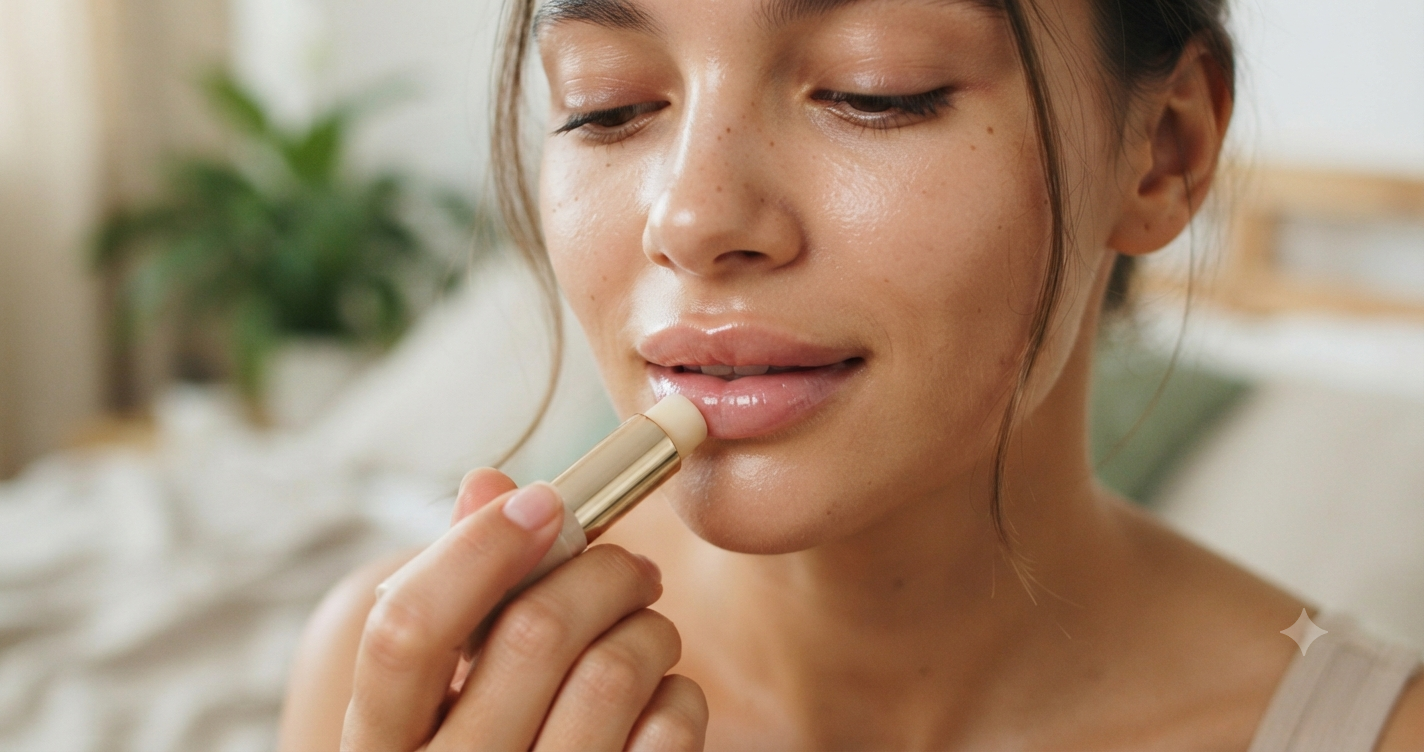
Dry, cracked lips are a common concern throughout the year, especially during winter, hot summers, or prolonged exposure to dry indoor air. Choosing t
Dry, cracked lips are a common concern throughout the year, especially during winter, hot summers, or prolonged exposure to dry indoor air. Choosing the best lip balm for dry lips can help restore moisture, strengthen the skin barrier, and protect delicate lip tissue from environmental damage. Research shows that lips lack oil glands, making them more vulnerable to dehydration than other areas of the skin. Selecting a formula with clinically supported moisturizing ingredients offers longer-lasting comfort while reducing irritation, peeling, and painful cracks. This article explains the science behind lip hydration and how to choose products that deliver dependable results.
Why the Best Lip Balm for Dry Lips Makes a Significant Difference

Healthy lips rely on a strong moisture barrier to prevent water loss. Unlike facial skin, lips contain a thinner outer layer and produce virtually no natural oils. As a result, cold temperatures, ultraviolet rays, dehydration, allergies, and frequent lip licking can cause dryness.
Dermatology research suggests that quality lip balms containing occlusive, emollient, and humectant ingredients improve hydration while reducing transepidermal water loss. Occlusive ingredients seal in moisture, emollients soften rough skin, and humectants attract water to the lip surface. Together, these ingredients help repair damaged lips more effectively than petroleum-free moisturizers alone. Consistent application also minimizes discomfort and promotes healthier-looking lips throughout changing seasons.
Common Causes of Dry and Chapped Lips
Several environmental and lifestyle factors contribute to persistent lip dryness. Understanding these causes makes prevention much easier while supporting healthier skin throughout the year.
Major Reasons Lips Become Dry
- Cold weather and low humidity reduce natural moisture.
- Excessive sun exposure damages delicate lip tissue.
- Frequent lip licking increases moisture evaporation.
- Dehydration limits skin hydration from within.
- Certain medications may cause dry mouth and lips.
- Vitamin deficiencies occasionally contribute to lip cracking.
- Allergic reactions to cosmetics or toothpaste may trigger irritation.
- Mouth breathing during sleep increases overnight dryness.
Identifying these triggers allows individuals to adjust daily habits while choosing products that provide better long-term protection.
Ingredients That Deliver Long-Lasting Moisture to Lips
The effectiveness of a lip balm depends largely on its ingredients rather than its price. Dermatologists often recommend formulas containing scientifically supported moisturizing agents that repair and protect the lips.
Shea butter provides rich emollient properties while softening rough skin. Beeswax forms a protective layer that locks in hydration without feeling overly greasy. Petrolatum remains one of the most effective occlusive ingredients for preventing water loss. Lanolin helps restore damaged lips, although some individuals may experience sensitivity. Hyaluronic acid attracts moisture, while ceramides strengthen the natural skin barrier. Vitamin E and natural oils, including jojoba, coconut, and avocado oil, further nourish delicate lips and improve overall texture with continued use.
How to Choose the Best Lip Balm for Dry Lips Care
Finding the best lip balm for dry lips requires more than selecting an attractive package. Reading ingredient labels carefully helps consumers identify products that truly improve hydration instead of providing only temporary relief.
Look for fragrance-free formulas if your lips are sensitive. Products containing SPF 30 or higher offer valuable protection against harmful ultraviolet rays during outdoor activities. Avoid formulas with excessive menthol, camphor, eucalyptus, or strong artificial flavors if your lips are already cracked, as these ingredients may increase irritation. A thicker overnight treatment often works better for severe dryness, while lightweight moisturizing sticks remain convenient for daytime use.
The Science Behind Moisture Barrier Protection
Modern skincare research emphasizes the importance of maintaining the skin’s natural barrier. When this protective layer becomes damaged, moisture escapes more rapidly, leaving lips rough, flaky, and uncomfortable.
Barrier-repair ingredients work by filling microscopic gaps between skin cells while reducing moisture loss. Occlusive compounds create a protective shield, preventing evaporation caused by wind and dry environments. Humectants attract water molecules to the lip surface, and emollients smooth rough areas by replacing lost lipids. Combining these mechanisms supports faster healing and longer-lasting comfort. Regular application throughout the day reinforces this barrier, especially after eating, drinking, or prolonged outdoor exposure.
Daily Habits That Keep Lips Soft and Healthy
Good lip care extends beyond using moisturizing products. Simple lifestyle adjustments can significantly improve hydration while reducing recurring dryness.
Drink adequate water throughout the day to support healthy skin hydration. Avoid peeling loose skin because this delays healing and increases irritation. Use a humidifier indoors during dry seasons to improve environmental moisture levels. Protect lips from direct sunlight by wearing SPF lip products. Reduce excessive lip licking, since saliva evaporates quickly and leaves lips drier than before. Consistent nighttime care allows moisturizing ingredients to work uninterrupted while supporting overnight skin repair.
Best Lip Balm for Dry Lips: Features to Look For
Consumers often face dozens of options when shopping for lip care products. Understanding essential features helps narrow the choices based on effectiveness rather than marketing claims.
Choose products labeled as dermatologist-tested whenever possible. Non-irritating formulas generally perform better for individuals with eczema or sensitive skin. Products containing ceramides, petrolatum, shea butter, beeswax, or hyaluronic acid provide stronger moisture retention than simple flavored balms. Broad-spectrum SPF remains essential for daytime protection. Packaging also matters because tubes and sticks reduce contamination compared with open jars that require finger application.
Natural Versus Medicated Lip Balms
Both natural and medicated lip balms offer unique advantages depending on individual needs. Natural formulations commonly contain beeswax, cocoa butter, coconut oil, sunflower oil, and botanical extracts that provide gentle nourishment.
Medicated products may include ingredients designed to relieve inflammation or accelerate healing in severely cracked lips. However, prolonged use of medicated formulas containing certain active ingredients should follow healthcare recommendations. People with allergies should carefully review ingredient lists before trying new products. Selecting products based on skin sensitivity, environmental exposure, and hydration needs often delivers better long-term results than choosing products solely based on popularity.
Seasonal Lip Care Tips for Every Climate
Weather conditions influence lip health throughout the year. Winter typically brings cold winds and low humidity that strip moisture from the lips. Summer introduces stronger ultraviolet exposure and increased dehydration due to heat.
Spring allergies may encourage mouth breathing, leading to overnight dryness. Autumn often combines fluctuating temperatures with reduced humidity, making preventive care important. Applying lip balm before outdoor activities creates a protective barrier against environmental stressors. Reapplying after meals and water consumption maintains consistent hydration throughout the day. Seasonal adjustments ensure lips remain soft despite changing climate conditions across the United States.
Nutrition Supports Healthy Lips from Within
External moisturizers work best when combined with proper nutrition and hydration. Vitamins and essential nutrients support healthy skin regeneration while strengthening the body’s natural repair processes.
Vitamin B complex contributes to healthy skin function, while vitamin E provides antioxidant protection against environmental stress. Omega-3 fatty acids help maintain skin flexibility and hydration. Zinc supports wound healing, and adequate protein promotes tissue repair. Drinking enough water throughout the day improves overall skin moisture. A balanced diet rich in fruits, vegetables, whole grains, lean protein, and healthy fats complements topical lip care for better long-term results.
When Persistent Dry Lips Need Medical Attention
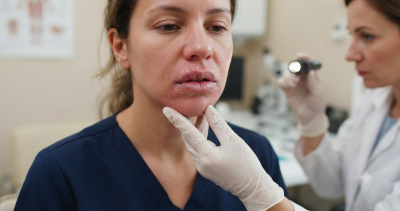
Most cases of dry lips improve with regular moisturizing and healthy habits. However, persistent symptoms lasting several weeks may indicate an underlying medical condition requiring professional evaluation.
Skin Care Products
How to Choose the Right Skin Care Products for Sensitive Skin also means knowing when professional medical advice is necessary. If your skin develops persistent redness, severe irritation, swelling, painful rashes, or signs of infection after using skincare products, consult a dermatologist promptly. Underlying conditions such as eczema, rosacea, contact dermatitis, or allergic reactions may require specialized treatment beyond over-the-counter products. A dermatologist can identify your skin’s specific triggers, recommend suitable ingredients, and create a personalized skincare plan. Early diagnosis and proper treatment help protect your skin barrier and reduce the risk of long-term irritation.
Frequently Asked Questions
Why do my lips stay dry even after using lip balm?
Persistent dryness may result from dehydration, allergies, harsh ingredients, excessive lip licking, environmental exposure, or underlying medical conditions. Switching to barrier-repair ingredients and maintaining consistent hydration often improves results.
What ingredients should I avoid in lip balm?
Avoid products containing excessive menthol, camphor, phenol, eucalyptus, strong artificial fragrances, or irritating flavoring agents if you have sensitive or severely chapped lips.
How often should I apply lip balm every day?
Most dermatologists recommend applying lip balm several times daily, especially after eating, drinking, brushing your teeth, or spending time outdoors in windy or sunny conditions.
Where should I store lip balm to maintain its quality?
Keep lip balm in a cool, dry location away from direct sunlight and excessive heat. High temperatures may change the product’s texture and reduce ingredient stability over time.
Why is SPF important in lip balm?
The lips receive direct ultraviolet exposure and have very little natural protection. SPF lip balms help reduce sun damage, premature aging, dryness, and the long-term risk of UV-related skin problems.
COMMENTS