
Maintaining physical fitness has become more important than ever. Many men struggle to find time for gym sessions because of busy schedules and family
Maintaining physical fitness has become more important than ever. Many men struggle to find time for gym sessions because of busy schedules and family responsibilities. Fortunately, a full body workout at home for men can deliver excellent results without expensive equipment or memberships. Research shows that consistent strength training and cardiovascular exercise improve heart health, muscle function, metabolism, and overall well-being. Home workouts also remove common barriers to exercise, making it easier to stay committed over the long term. By following a structured routine, men can build strength, improve endurance, and support healthy aging while exercising in the comfort of their homes.
Why Full-Body Training Supports Long-Term Health
Full-body training engages multiple muscle groups during a single session. This approach increases calorie burn and improves overall fitness efficiency. According to exercise science research, compound movements stimulate more muscles than isolated exercises. Regular training helps maintain healthy body composition and reduces the risk of chronic diseases. It also improves balance, coordination, and mobility. Men who perform complete-body routines often experience better functional fitness, allowing them to perform daily activities more easily. Consistent movement patterns also help preserve muscle mass as the body ages, supporting independence and long-term health.
Benefits for Full Body Workout at Home for Men
Home-based fitness programs offer flexibility and convenience. Men can train according to their schedules without commuting to a gym. Studies suggest that removing barriers to exercise increases adherence and consistency. Home workouts can be performed with bodyweight exercises, resistance bands, or minimal equipment. This makes fitness accessible to individuals of different experience levels. Training at home also allows privacy, which can boost confidence for beginners. Over time, consistency becomes easier to maintain, leading to sustainable improvements in strength, cardiovascular health, and energy levels.
1. Push-Ups for Upper Body Strength
Push-ups remain one of the most effective bodyweight exercises available. They target the chest, shoulders, triceps, and core simultaneously. Research indicates that push-ups can improve muscular endurance and upper-body strength when performed regularly. Beginners can start with modified variations, while advanced individuals can increase difficulty with decline or diamond push-ups. Proper form is essential for maximizing benefits and preventing injuries. Keeping the body aligned throughout the movement ensures effective muscle engagement. Including push-ups in a routine creates a solid foundation for upper-body development and functional strength.
Proper Push-Up Technique
Maintain a straight body position from head to heels. Lower your chest toward the floor while keeping elbows controlled. Push upward through your palms and fully extend your arms. Consistent practice improves strength and movement efficiency over time.
2. Squats for Lower Body Power

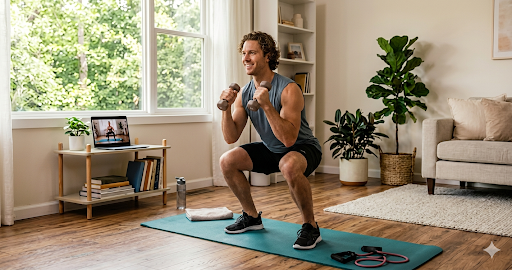
Squats strengthen the quadriceps, hamstrings, and core muscles. They are considered one of the best compound exercises for overall fitness. Research highlights squats as effective for increasing lower-body strength and mobility. Performing squats regularly can improve balance and joint stability. Bodyweight squats are suitable for beginners, while advanced individuals can add resistance. Strong leg muscles support athletic performance and everyday activities. Proper squat mechanics also help protect the knees and lower back, making this exercise valuable for long-term health.
3. Lunges for Balance and Stability
Lunges challenge each leg independently, improving muscular balance and coordination. This exercise activates the glutes, hamstrings, quadriceps, and stabilizing muscles. Scientific studies suggest unilateral exercises can correct strength imbalances and enhance functional movement. Forward, reverse, and walking lunges offer variety and progression. Maintaining an upright posture throughout the movement helps engage the correct muscle groups. Regular practice develops lower-body strength while improving mobility and flexibility. These benefits contribute to better athletic performance and injury prevention.
4. Plank Holds for Core Strength to Full Body Workout at Home for Men
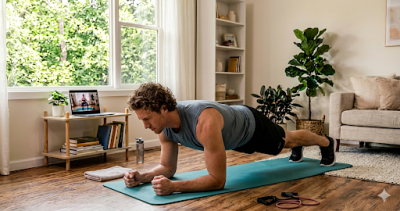
A strong core supports posture, stability, and movement efficiency. Plank holds engage the abdominal muscles, lower back, shoulders, and hips simultaneously. Research demonstrates that plank exercises improve core endurance and spinal support. Unlike traditional crunches, planks minimize unnecessary strain on the neck. Men can start with shorter durations and gradually increase hold times. Consistent core training enhances overall performance during other exercises and daily activities. Improved stability also reduces the risk of lower-back discomfort.
5. Burpees for Full-Body Conditioning
Burpees combine strength training and cardiovascular exercise into one movement. They activate the chest, legs, shoulders, and core while elevating heart rate. Studies show that high-intensity bodyweight exercises improve cardiovascular fitness and calorie expenditure. Burpees require no equipment and can be performed almost anywhere. Beginners may perform slower repetitions before increasing speed. This exercise challenges endurance and coordination while promoting fat loss. Incorporating burpees into a routine creates an effective conditioning workout for overall fitness.
6. Mountain Climbers for Cardiovascular Fitness
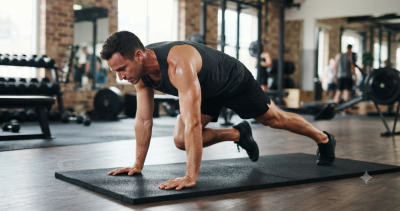
Mountain climbers increase heart rate while strengthening the core and lower body. This dynamic exercise improves agility, coordination, and muscular endurance. Research supports high-intensity interval exercises for improving cardiovascular health and metabolic function. Maintaining proper plank alignment throughout the movement protects the spine. Faster repetitions increase intensity, while slower movements emphasize control. Men seeking improved endurance and calorie burning can benefit greatly from including mountain climbers in their weekly routine.
7. Glute Bridges for Posterior Chain Development
Glute bridges strengthen the glutes, hamstrings, and lower back muscles. Many men spend extended hours sitting, which can weaken these important muscle groups. Studies suggest strengthening the posterior chain improves posture and reduces discomfort associated with prolonged sitting. During the exercise, squeezing the glutes at the top enhances muscle activation. Glute bridges also support athletic performance and lower-body power. This simple movement contributes significantly to long-term musculoskeletal health.
8. Jumping Jacks Include for Full Body Workout at Home for Men
Jumping jacks are a classic cardiovascular exercise that improves circulation and endurance. They engage the entire body while increasing heart rate. Research indicates that regular aerobic activity supports heart health and weight management. This movement can serve as a warm-up or conditioning exercise. Consistent aerobic training enhances stamina and overall physical performance. Including jumping jacks helps create a balanced fitness routine.
9. Chair Dips for Arm Strength
Chair dips effectively target the triceps, shoulders, and chest muscles. This exercise requires only a sturdy chair or bench. Research supports resistance-based movements for preserving muscle mass and strength. Maintaining controlled motion reduces unnecessary stress on the shoulder joints. Beginners should focus on proper technique before increasing repetitions. Strong arm muscles improve functional tasks and support upper-body performance. Chair dips offer a practical way to build strength without specialized equipment.
10. High Knees for Total-Body Activation
High knees combine cardiovascular training with lower-body strengthening. They elevate heart rate while activating the hip flexors, quadriceps, and core muscles. Studies suggest dynamic exercises improve athletic performance and coordination. Performing high knees at a moderate pace helps beginners build endurance safely. Advanced individuals can increase speed for greater intensity. This exercise supports calorie burning, cardiovascular health, and muscular endurance. It serves as an excellent addition to a full body workout at home for men routine.
Creating an Effective Weekly Routine
A balanced fitness schedule combines strength training, mobility work, and cardiovascular exercise. Performing a full body workout at home for men three to four times weekly can produce sustainable results. Rest days allow muscles to recover and adapt. Proper nutrition, hydration, and sleep further enhance performance and recovery. Men should gradually increase exercise intensity to avoid overtraining. Consistency remains the most important factor for achieving long-term success. Following a structured routine helps build healthy habits that support lifelong wellness. Human Health Tips encourages readers to prioritize regular physical activity for better health outcomes.
Achieve Better Fitness with Effective Men’s Health Tips

A full body workout at home for men provides a practical and effective solution for improving health, strength, and endurance. These ten exercises target major muscle groups while supporting cardiovascular fitness and mobility. As part of effective men’s health tips, regular exercise plays a vital role in maintaining overall physical and mental well-being. Research consistently shows that staying active reduces disease risk and improves quality of life. By staying consistent and focusing on proper form, men can achieve meaningful results without a gym membership. A well-designed full body workout at home for men promotes long-term physical wellness, making it an excellent investment in future health. With dedication and patience, anyone can build a stronger and healthier body from home.
FAQs
Why is a full body workout better than training one muscle group daily?
A full-body routine trains multiple muscles at once, improving efficiency, calorie burn, and overall fitness.
What equipment is needed for home workouts?
Most exercises require only body weight, though resistance bands can add variety.
How often should men perform a full body workout at home for men?
Three to four sessions per week are generally effective for strength and health improvements.
Where can beginners start with home fitness training?
Beginners should start with basic exercises and focus on proper form before increasing intensity.
COMMENTS