

Diaper rashes are common during infancy, but some types require special attention because they are caused by fungal overgrowth instead of simple skin
Diaper rashes are common during infancy, but some types require special attention because they are caused by fungal overgrowth instead of simple skin irritation. Yeast diaper rash is one of the most frequent fungal skin conditions affecting babies, especially after antibiotic use or prolonged exposure to moisture. Parents across the USA often search for reliable, research-backed guidance to identify symptoms early and choose effective treatments. Early recognition and proper care usually lead to faster healing and greater comfort.
Understanding Yeast Diaper Rash and How It Develops
A diaper rash caused by yeast occurs when the fungus Candida albicans multiplies excessively in the warm, moist diaper area. Candida naturally lives on the skin and inside the digestive tract without causing problems. However, when moisture, friction, or a weakened skin barrier creates favorable conditions, the fungus can grow rapidly. Unlike ordinary diaper irritation, fungal infections often continue despite regular diaper cream use. Pediatric studies suggest that prolonged dampness and skin breakdown significantly increase the likelihood of Candida overgrowth, making prevention and early treatment especially important.
Common Causes of Yeast Diaper Rash in Infants
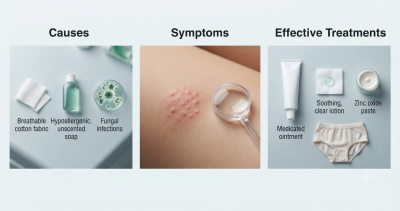
Several factors increase the likelihood of developing yeast diaper rash, especially during the first year of life. Understanding these triggers allows parents to reduce risk and support healthy skin healing.
Risk Factors That Encourage Candida Growth
- Frequent exposure to wet or soiled diapers.
- Recent antibiotic treatment for the baby or breastfeeding mother.
- Warm, humid conditions inside tightly fitted diapers.
- Sensitive skin with existing irritation or eczema.
- Diarrhea that increases moisture and skin breakdown.
- Infrequent diaper changes throughout the day.
- Reduced airflow around the diaper region.
Each factor weakens the skin’s natural protective barrier, allowing fungal organisms to multiply more easily.
Signs and Symptoms Every Parent Should Recognize
A fungal diaper rash usually looks different from an ordinary irritation. Bright red skin often appears in the diaper area with clearly defined borders. Small red bumps or “satellite lesions” commonly develop around the main rash, making this feature especially helpful for identification. Babies may become unusually fussy during diaper changes because the affected skin becomes tender and inflamed. Skin folds around the groin often appear more affected than exposed surfaces. Following baby skin care tips, such as keeping the diaper area clean and dry and changing diapers promptly, may help reduce irritation. Unlike mild diaper irritation, these symptoms frequently persist for several days without improving through standard zinc oxide barrier creams alone.
How Healthcare Providers Diagnose a Fungal Yeast Diaper Rash Infection
Most pediatricians diagnose diaper yeast infections through a physical examination and a review of symptoms. The appearance of the rash, distribution within skin folds, and presence of satellite lesions often provide enough information for diagnosis. Laboratory testing is rarely necessary unless the rash becomes severe, repeatedly returns, or fails to improve with appropriate treatment. Healthcare providers may also ask about recent antibiotic use, episodes of diarrhea, feeding patterns, and diaper routines. Accurate diagnosis prevents unnecessary treatments while ensuring the child receives the most effective antifungal therapy available.
Effective Treatment Options Supported by Medical Research
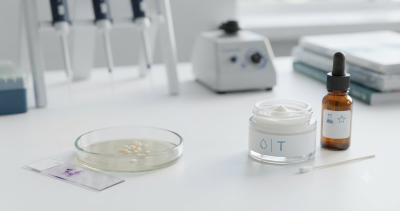
Medical research consistently shows that antifungal medications remain the primary treatment for Candida diaper infections. Topical creams containing clotrimazole, miconazole, or nystatin are commonly recommended by healthcare professionals. These medications reduce fungal growth while allowing damaged skin to recover naturally. Treatment usually continues for several days after visible improvement to reduce recurrence. Gentle cleansing with warm water, careful drying, and frequent diaper changes further improve recovery. Parents should avoid using topical steroid creams without professional guidance because they may worsen fungal infections when used incorrectly.
Daily Home Care That Supports Faster Skin Healing
Proper home care significantly improves treatment outcomes and reduces discomfort. Babies benefit from gentle cleansing methods that protect the skin instead of causing additional irritation.
Helpful Daily Care Practices
- Change diapers urgently after they become wet.
- Wash the diaper area using warm water and mild cleansers.
- Pat the skin dry instead of rubbing aggressively.
- Allow diaper-free time several times each day.
- Apply antifungal medication exactly as directed.
- Use breathable diapers that reduce trapped moisture.
- Wash hands before and after every diaper change.
Consistent daily care creates a healthier environment for skin repair while limiting fungal growth.
Preventing Future Episodes Through Better Diaper Hygiene
Preventive strategies remain one of the most effective ways to reduce recurrent diaper infections. Frequent diaper changes minimize prolonged moisture exposure, while properly fitting diapers reduce friction against delicate skin. Parents should avoid heavily fragranced wipes or harsh soaps that may disrupt the skin’s natural barrier. Air exposure also supports healthier skin by lowering humidity around the diaper region. Research suggests maintaining clean, dry skin substantially lowers the risk of fungal overgrowth. Caregivers should also complete the full course of the prescribed antifungal medication, even after symptoms begin to improve.
Nutrition, Gut Health, and Skin Protection
Although diaper yeast infections primarily develop from local skin conditions, overall health also influences recovery. Breast milk provides antibodies that support a baby’s developing immune system, while balanced infant nutrition promotes healthy skin regeneration. Babies receiving antibiotics may experience temporary changes in normal microbial balance, increasing Candida growth. Parents should never introduce probiotics or dietary supplements without consulting a pediatric healthcare provider. Adequate hydration and appropriate feeding routines contribute to healthy digestion, which may indirectly support better skin health by reducing episodes of severe diarrhea.
When Parents Should Contact a Pediatrician for Yeast Diaper Rash

Most fungal diaper rashes improve within several days after beginning proper antifungal treatment. However, medical evaluation becomes important when symptoms worsen, spread beyond the diaper area, or fail to improve after several days of appropriate care. Fever, blisters, pus, bleeding skin, or severe pain require prompt medical attention because these symptoms may indicate bacterial infection or another skin condition. Babies younger than a few months with extensive rashes should also receive professional evaluation. Timely medical care prevents complications while ensuring the most appropriate treatment plan.
Common Myths About Diaper Yeast Infections
Many misconceptions continue circulating online regarding diaper rash management. One common myth claims every diaper rash requires antibiotic treatment, although fungal infections actually respond to antifungal medications instead. Another misconception suggests baby powder alone cures fungal infections, yet excessive powder may irritate sensitive lungs and does not eliminate Candida. Some parents also believe stronger scrubbing improves healing, but vigorous rubbing damages already inflamed skin. Trusted pediatric recommendations consistently emphasize gentle cleansing, moisture control, appropriate medications, and careful observation rather than relying on unproven home remedies.
Human Health Tips Guide to Healthy Baby Skin
Healthy skin begins with consistent preventive care, careful observation, and prompt treatment when symptoms appear. Families throughout the USA can reduce diaper-related skin problems by maintaining clean diapers, allowing regular airflow, selecting gentle skincare products, and following pediatric recommendations. At Human Health Tips, we encourage parents to rely on scientifically supported guidance instead of social media myths or unverified home remedies. Building healthy daily habits not only supports faster recovery from diaper irritation but also helps babies remain comfortable, active, and protected as their delicate skin continues developing.
Frequently Asked Questions
Why does a diaper rash sometimes become a yeast infection?
A regular diaper rash can become a fungal infection when moisture, friction, and skin damage allow Candida albicans to multiply rapidly. Antibiotic use and prolonged exposure to wet diapers also increase the risk.
What is the fastest treatment for a fungal diaper rash?
The most effective treatment usually combines prescription or over-the-counter antifungal cream, frequent diaper changes, gentle cleansing, thorough drying, and regular diaper-free time. Always follow your pediatrician’s recommendations.
How can parents tell the difference between regular diaper rash and a yeast infection?
A fungal infection often appears as a bright red rash with clearly defined borders and small satellite spots surrounding the main affected area. It commonly involves skin folds and does not improve with ordinary barrier creams alone.
Where should parents seek medical care if symptoms continue?
Parents should contact their pediatrician, family physician, or an urgent care clinic if the rash persists despite treatment, spreads outside the diaper area, causes fever, develops blisters, or shows signs of bacterial infection.
COMMENTS