
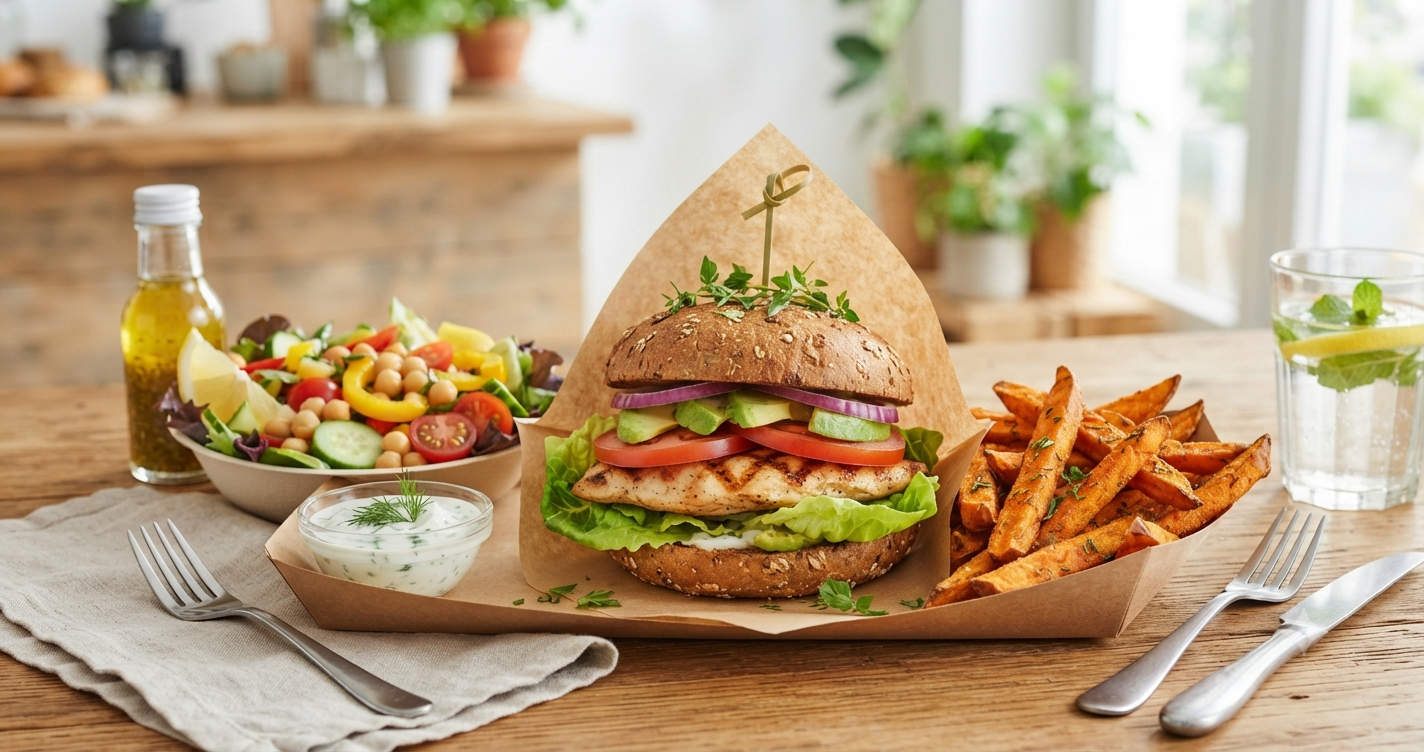
Fast food often carries a reputation for being high in sodium, but healthier choices are becoming easier to find across the United States. Many nation
Fast food often carries a reputation for being high in sodium, but healthier choices are becoming easier to find across the United States. Many national restaurant chains now provide nutrition information that helps customers make informed decisions. Following a low sodium diet fast food approach does not mean giving up convenience or flavor. Instead, it involves selecting meals carefully, customizing menu items, and understanding hidden sources of salt. In this article, we believe that practical nutrition advice empowers healthier lifestyles. This research-based guide explains how to enjoy quick meals while supporting heart health, blood pressure management, and overall wellness without sacrificing convenience.
Understand Low Sodium Diet Fast Food
Reducing sodium intake is one of the most effective ways to support cardiovascular health. According to dietary recommendations for Americans, most adults should consume less than 2,300 milligrams of sodium daily, while many people with hypertension or heart disease benefit from even lower amounts. Fast food restaurants frequently use salt to enhance flavor and preserve ingredients, making careful menu selection essential. Fortunately, many restaurants now offer grilled proteins, fresh vegetables, fruit cups, and lighter meal options. Learning to compare nutrition facts allows consumers to enjoy convenient meals while keeping daily sodium intake under control.
Why Low Sodium Diet Fast Food Matters for Heart Health
Excess sodium encourages the body to retain water, increasing blood volume and placing additional strain on the heart and blood vessels. Over time, consistently consuming high-sodium meals may contribute to hypertension, stroke, kidney disease, and heart failure. Research published by organizations like the American Heart Association supports reducing dietary sodium as an important strategy for lowering cardiovascular risk. Choosing lower-sodium menu items several times each week can significantly reduce overall sodium intake while promoting healthier blood pressure levels. Even small improvements create meaningful long-term health benefits when maintained consistently. Read for the best nutrition for heart failure.
Tips for Smart Fast Food Order
- Eat grilled chicken instead of breaded options.
- Request sauces and dressings on the side.
- Skip extra cheese, bacon, and processed meats.
- Select fresh fruit instead of salted fries.
- Drink water or unsweetened beverages instead of sugary soft drinks.
- Ask for no added salt whenever possible.
- Order smaller portion sizes to reduce total sodium intake.
- Compare nutrition information before placing your order.
Best Low Sodium Diet Fast Food Menu Options
Many popular restaurant chains now offer healthier meals that contain moderate sodium levels when ordered thoughtfully. Grilled chicken sandwiches without mayonnaise, oatmeal, yogurt parfaits, fresh salads with light dressing, baked potatoes, and plain hamburgers contain less sodium. Customization is equally important because removing pickles, cheese, bacon, and high-sodium sauces can significantly lower total salt content. Paying attention to portion sizes further reduces sodium consumption while helping maintain balanced calorie intake throughout the day.
Read Nutrition Labels Before Ordering Fast Food
Nutrition transparency has improved significantly, allowing customers to check calorie counts, sodium levels, saturated fat, and added sugars before purchasing meals. Most national restaurant chains publish complete nutritional information online and through mobile applications. Comparing menu items often reveals surprising differences between similar foods. For example, grilled chicken usually contains substantially less sodium than fried chicken sandwiches with multiple toppings. Reviewing nutrition facts before ordering encourages healthier decisions while preventing accidental overconsumption of salt during busy schedules.
Hidden Sources of Sodium You Should Avoid
Many people focus only on salty fries while overlooking ingredients that contribute even more sodium. Condiments, processed meats, cheese slices, seasoned bread, pickles, soups, salad dressings, dipping sauces, and flavored rice frequently contain large amounts of salt. Even seemingly healthy salads may become high in sodium after adding creamy dressing, croutons, bacon bits, and cheese. Understanding these hidden sources helps consumers reduce sodium without dramatically changing eating habits. Small adjustments often produce substantial improvements in overall dietary quality.
Ingredients That Commonly Increase Sodium
- Processed deli meats
- Bacon and sausage
- American cheese
- Pickles and olives
- Barbecue sauce
- Ranch dressing
- Soy sauce
- Buffalo sauce
- Salted tortilla chips
- Seasoned fries
Protein Choices That Support Healthier Eating
Protein plays an important role in maintaining muscle mass, supporting metabolism, and increasing fullness after meals. Choosing lean protein sources also helps reduce saturated fat and sodium intake. Grilled chicken breast, roasted turkey, plain grilled fish, egg whites, black beans, and unsalted nuts provide excellent nutritional value. Avoiding heavily breaded meats, processed burgers, and cured meats reduces sodium while improving overall meal quality. Combining lean protein with vegetables and whole grains creates balanced fast-food meals that support long-term wellness.
Healthier Side Dishes Instead of Salty Favorites
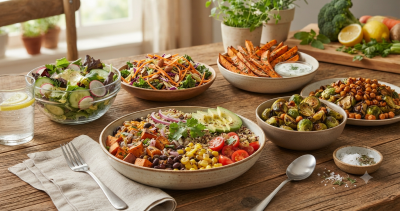
Side dishes often determine whether a meal becomes sodium-heavy or nutritionally balanced. French fries, onion rings, mozzarella sticks, and seasoned potato wedges frequently contain significant amounts of sodium and unhealthy fats. Better alternatives include apple slices, fresh fruit cups, side salads with light vinaigrette, plain baked potatoes, steamed vegetables, or oatmeal during breakfast hours. These substitutions increase dietary fiber, vitamins, minerals, and antioxidants while lowering overall sodium consumption. Small side dish changes can dramatically improve the nutritional quality of an entire meal.
Drinks with Low Sodium Diet Fast Food
Beverage choices influence overall health just as much as food selections. Water remains the healthiest option because it contains no sodium, sugar, or calories. Unsweetened iced tea, black coffee, sparkling water without added sodium, and low-fat milk also complement healthier meals. Sugary sodas and specialty coffee drinks contribute excessive calories without improving nutritional value. Staying hydrated supports normal blood pressure regulation, kidney function, and overall metabolic health. Choosing healthier beverages alongside lower-sodium meals strengthens positive dietary habits over time.
Smart Beverage Choices
- Plain water
- Sparkling water without sodium
- Unsweetened iced tea
- Black coffee
- Low-fat milk
- Unsweetened herbal tea
- Fresh vegetable juice with reduced sodium
Balanced Meal Planning Strategies for Busy Lifestyles
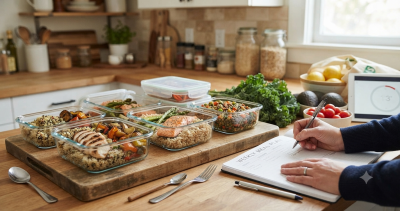
Planning ahead makes healthy eating much easier, especially during hectic workdays or travel. Reviewing restaurant nutrition information before leaving home prevents impulsive decisions driven by hunger. Packing healthy snacks like unsalted almonds, fresh fruit, or low-fat yogurt can reduce the temptation to order oversized meals. Scheduling balanced meals throughout the day also helps prevent overeating at dinner. Consistent planning encourages better food choices while supporting healthy blood pressure, weight management, and long-term cardiovascular wellness.
Building Sustainable Healthy Eating Habits
Healthy eating succeeds through consistency rather than perfection. Occasionally enjoying restaurant meals does not undermine a nutritious lifestyle when balanced with wholesome home-cooked foods. Focus on increasing vegetables, fruits, whole grains, lean proteins, legumes, and healthy fats throughout the week. Preparing meals at home allows greater control over sodium content while developing cooking skills that benefit the entire family. Combining regular physical activity, adequate hydration, quality sleep, and mindful eating creates lasting habits that improve both physical and mental well-being.
Frequently Asked Questions
Why is sodium so high in most fast food meals?
Fast food restaurants commonly use salt for flavor enhancement, food preservation, and consistency across menu items. Processed ingredients, sauces, cheeses, and seasonings significantly increase sodium levels in many meals.
What is the healthiest low sodium diet fast food option?
Grilled chicken sandwiches without high-sodium sauces, fresh salads with dressing on the side, oatmeal, fruit cups, and baked potatoes are generally among the healthiest lower-sodium fast-food choices.
How can I reduce sodium during order fast food?
Request sauces separately, remove cheese and pickles, choose grilled instead of fried foods, skip processed meats, order smaller portions, and review nutrition facts before placing your order.
Where can I find accurate fast food nutrition information?
Most major restaurant chains in the United States publish complete nutrition information on their official websites, mobile applications, and in-store nutrition guides for customers.
Why should people with high blood pressure limit sodium intake?
Lowering sodium intake helps reduce fluid retention and decreases pressure on blood vessels. Research shows that consuming less sodium supports healthier blood pressure and reduces the risk of heart disease and stroke.
COMMENTS