
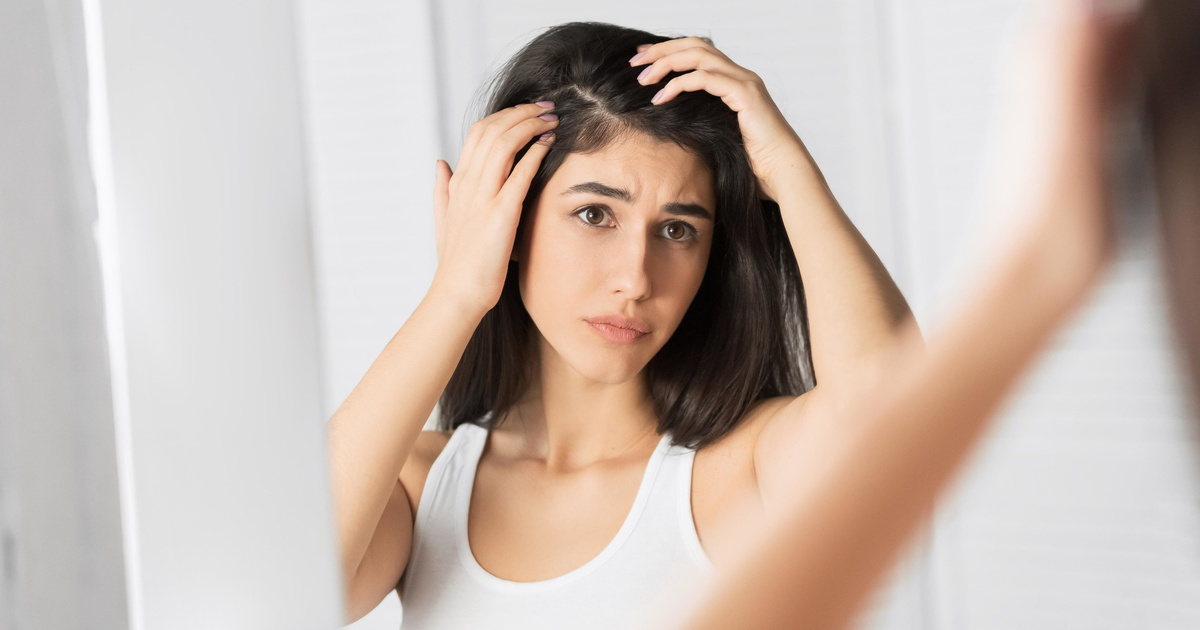
Hair loss is a growing concern among women across the United States. Many factors contribute to thinning hair, including hormonal imbalance, stress, a
Hair loss is a growing concern among women across the United States. Many factors contribute to thinning hair, including hormonal imbalance, stress, and nutritional deficiencies. Understanding the root cause is essential before starting any solution. According to research, millions of women experience noticeable hair shedding every year. Early diagnosis helps prevent permanent damage. Hair Loss Treatments for Women are more effective when tailored to individual needs. Platforms like humanhealthtips.com emphasize identifying triggers before choosing therapy. This approach ensures better results and long-term scalp health.
Common Causes of Female Hair Loss
Several factors contribute to female hair thinning. Hormonal changes during pregnancy or menopause can disrupt the hair growth cycle. Stress also plays a major role in triggering excessive shedding. Poor diet lacking essential vitamins weakens hair follicles over time. Medical conditions like thyroid disorders and anemia are also common contributors. Additionally, excessive heat styling damages the scalp and strands. Environmental pollution in urban areas further worsens the condition. Understanding these causes helps in selecting the right treatment method and preventing further damage effectively.
Medical Treatments Approved in the USA
In the United States, several FDA-approved options are available for treating hair loss in women. Topical treatments like minoxidil are widely recommended by dermatologists. Oral medications may also be prescribed in certain cases. Platelet-rich plasma therapy is gaining popularity for its natural healing approach. These treatments focus on stimulating hair follicles and improving scalp circulation. Consulting a certified healthcare provider is important before starting any medication. Professional guidance ensures safety and increases the chances of successful hair regrowth.
Natural Remedies for Hair Regrowth
Many women prefer natural remedies as part of their hair care routine. Ingredients like coconut oil, aloe vera, and onion juice are known for strengthening hair roots. Herbal treatments improve scalp health without harmful side effects. Regular scalp massage boosts blood circulation and promotes growth. Essential oils like rosemary and peppermint also support follicle stimulation. While natural remedies may take time, they provide sustainable results. Combining these methods with a healthy lifestyle enhances overall effectiveness and reduces hair fall gradually.
Role of Nutrition in Hair Health
Diet plays a crucial role in maintaining healthy hair. Protein-rich foods support hair structure and growth. Vitamins such as biotin, vitamin D, and iron are essential for strong follicles. A balanced diet including fruits, vegetables, and whole grains improves overall scalp health. Dehydration can also weaken hair, so proper hydration is necessary. Many experts in the United States recommend nutritional supplements when deficiencies are detected. Improving diet quality often leads to noticeable improvements in hair thickness and strength over time.
Advanced Clinical Procedures
Advanced treatments are becoming increasingly popular in the USA. Hair transplant surgery offers a permanent solution for severe hair loss. Laser therapy is another non-invasive option that stimulates follicles. Microneedling improves absorption of topical treatments and enhances growth. These procedures are performed by certified specialists and require proper consultation. Although they can be costly, they provide long-term benefits. Women seeking faster and visible results often consider these clinical options after trying basic treatments without success.
Lifestyle Changes for Hair Growth
Lifestyle habits directly impact hair health. Poor sleep disrupts the body’s natural repair processes. Regular exercise improves blood circulation and supports follicle health. Managing stress through meditation or yoga can reduce hair fall significantly. Avoiding harsh chemicals and limiting heat styling protects hair from damage. Using mild shampoos and conditioners maintains scalp balance. Small daily changes can make a big difference in preventing hair thinning. A healthy routine supports the effectiveness of other treatment methods.
Importance of Early Diagnosis
Early detection of hair loss issues helps prevent severe damage. Women often ignore initial symptoms like mild thinning or excessive shedding. Consulting a specialist at the right time ensures proper treatment. Diagnostic tests can identify underlying health conditions. Early intervention increases the chances of successful recovery. Delayed treatment may lead to permanent hair loss in some cases. Awareness and timely action are key factors in maintaining healthy hair and avoiding long-term complications.
Psychological Impact of Hair Loss
Hair loss can affect emotional well-being and self-confidence. Many women experience anxiety and stress due to changes in appearance. Social pressure and beauty standards can worsen the situation. Support from family and friends plays an important role in coping. Professional counseling may help in severe cases. Addressing mental health alongside physical treatment improves overall recovery. A positive mindset encourages consistency in following treatment plans and leads to better outcomes.
Choosing the Right Treatment Plan
Selecting the right treatment depends on individual needs and conditions. Not every solution works for everyone. Consulting a dermatologist ensures accurate diagnosis and personalized care. Combining medical treatments with natural remedies often provides better results. Budget, lifestyle, and severity of hair loss should be considered. Reliable platforms like humanhealthtips.com provide valuable guidance and research-based insights. A customized approach increases the chances of success and ensures long-term hair health.
Future Trends in Hair Loss Treatments
According to Human Health Tips future of hair restoration is promising with ongoing research and innovation. Stem cell therapy and gene-based treatments are being explored. Advanced technologies aim to provide faster and more effective solutions. Personalized medicine is becoming a key trend in the United States. Scientists are working on safer and more targeted treatments. These developments may revolutionize the way hair loss is treated. Staying informed about new advancements helps women make better decisions for their hair care journey.
FAQs
Why do women in the USA experience hair loss?
Women experience hair loss due to hormonal changes, stress, poor nutrition, and medical conditions.
What are the most effective solutions available today?
FDA-approved medications, natural remedies, and clinical treatments are widely used options.
How long does it take to see results from treatment?
Results usually appear within three to six months depending on the treatment method.
Where can women find reliable guidance for treatment?
Trusted platforms like humanhealthtips.com and certified dermatologists provide accurate information.
COMMENTS