
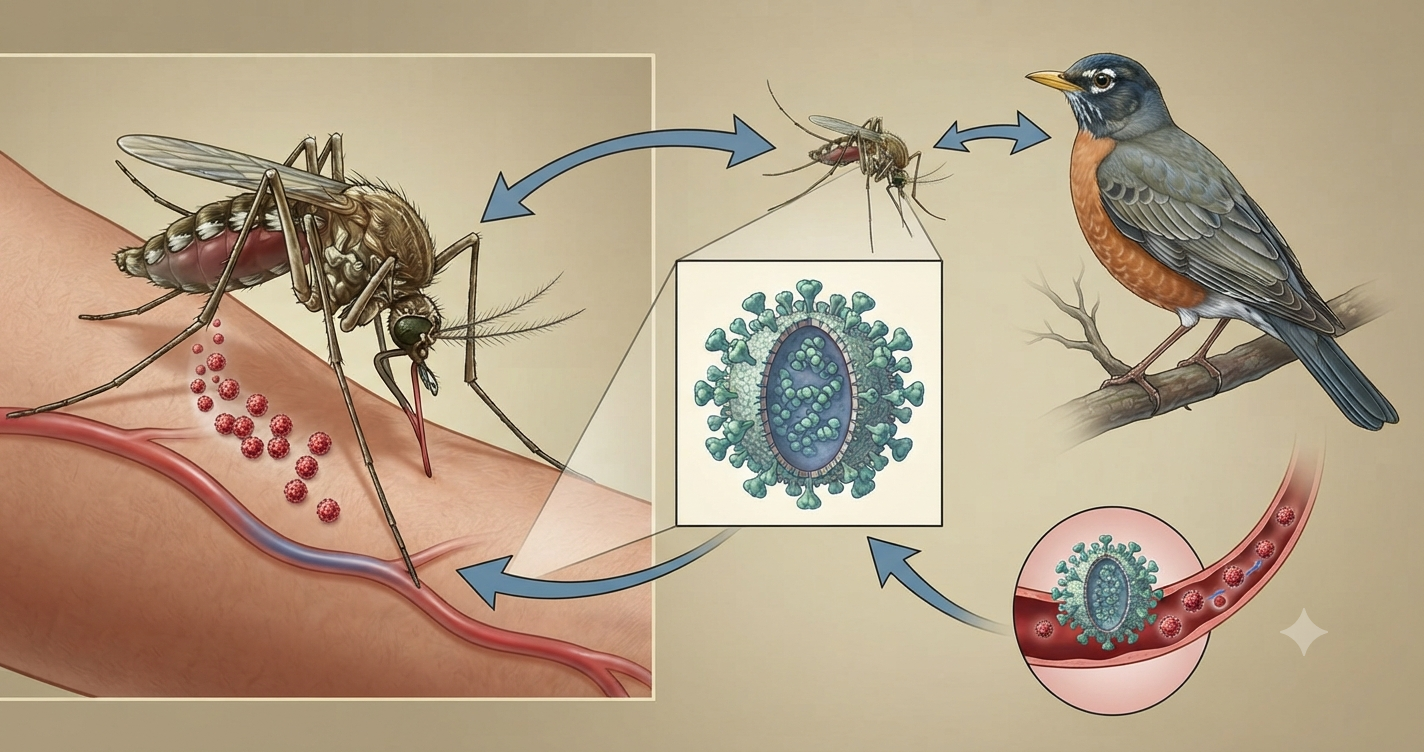
Mosquito-borne diseases continue to affect thousands of people across the United States every year. Among them, west nile virus symptoms deserve caref
Mosquito-borne diseases continue to affect thousands of people across the United States every year. Among them, west nile virus symptoms deserve careful attention because early recognition may help prevent serious health complications. The virus spreads through the bite of an infected mosquito and often appears during the warmer months when mosquito activity increases. Although many infected individuals never develop noticeable illness, others experience mild flu-like discomfort or severe neurological complications. Understanding transmission, recognizing warning signs, and following preventive measures can significantly reduce health risks. Human Health Tips encourages readers to stay informed with research-based information that supports healthier and safer communities.
West Nile Virus Symptoms and Its Transmission
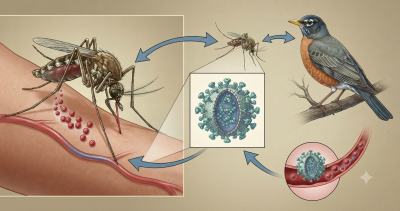
West Nile virus is a mosquito-borne virus belonging to the flavivirus family. It primarily spreads through the bite of infected Culex mosquitoes that become carriers after feeding on infected birds. Humans and horses are considered accidental hosts because they generally do not transmit the virus further. According to public health research, most infections occur during summer and early fall across many regions of the United States. Environmental conditions such as standing water, warm temperatures, and increased mosquito populations contribute to seasonal outbreaks. Understanding how transmission occurs helps individuals adopt effective protective measures before exposure happens.
West Nile Virus Symptoms and Early Warning Signs
Most infected individuals experience no illness at all, yet west nile virus symptoms can appear within two to fourteen days after a mosquito bite. Mild infections often resemble common viral illnesses, making diagnosis difficult without proper medical evaluation. Typical signs include fever, headache, fatigue, body aches, swollen lymph nodes, nausea, vomiting, and skin rash. Some patients also report muscle weakness and general discomfort lasting several days. While these symptoms usually improve without hospitalization, persistent fever or worsening neurological changes require immediate medical attention because complications can develop rapidly in vulnerable individuals.
Common Mild Symptoms Include
- Low-grade or moderate fever
- Persistent headache
- Muscle aches and joint pain
- Fatigue and weakness
- Nausea or vomiting
- Skin rash on the chest or back
- Swollen lymph nodes
- Reduced appetite
- Mild eye pain
- General body discomfort
Severe Neurological Complications That Need Immediate Care
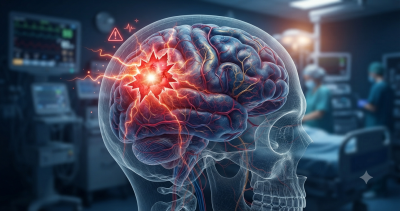
Although uncommon, severe infection may affect the brain, spinal cord, or surrounding tissues. These complications include encephalitis, meningitis, and acute flaccid paralysis. Patients may develop high fever, neck stiffness, confusion, seizures, tremors, difficulty walking, muscle paralysis, or loss of consciousness. Older adults and individuals with weakened immune systems face a significantly greater risk of developing these life-threatening conditions. Immediate emergency medical care improves supportive treatment and reduces complications. Healthcare professionals often recommend hospitalization for close monitoring, intravenous fluids, respiratory support, and neurological assessment when severe symptoms develop unexpectedly.
Who Faces the Highest Risk of Serious Infection?
While anyone bitten by an infected mosquito can contract the virus, certain groups are more likely to develop severe illness. Adults over sixty years of age face the highest risk because immune function naturally declines with aging. Individuals receiving chemotherapy, organ transplant recipients, people with diabetes, kidney disease, hypertension, or weakened immune systems also require additional precautions. Outdoor workers, campers, gardeners, and travelers visiting mosquito-prone environments experience increased exposure opportunities. Personal health status and environmental factors together determine the likelihood of serious complications after infection occurs.
Medical Diagnosis and Laboratory Testing
Diagnosing West Nile virus begins with reviewing symptoms, travel history, seasonal exposure, and recent mosquito bites. Physicians may order blood tests that detect virus-specific IgM antibodies produced by the immune system. In patients with neurological symptoms, cerebrospinal fluid collected through lumbar puncture may provide additional diagnostic evidence. Polymerase chain reaction testing may occasionally assist in confirming infection during specific stages. Imaging studies such as MRI or CT scans help evaluate brain inflammation when neurological complications are suspected. Early laboratory confirmation supports appropriate clinical management and helps public health officials monitor regional outbreaks.
West Nile Virus Symptoms in Older Adults and Vulnerable Populations

The severity of west nile virus symptoms often increases among older adults and medically vulnerable individuals. Aging immune systems respond less effectively to viral infections, increasing the possibility of neurological complications. Residents of long-term care facilities and people living with chronic illnesses should monitor fever, confusion, weakness, or sudden balance problems carefully. Family members and caregivers also play an important role by recognizing unusual behavioral changes that may indicate brain involvement. Prompt evaluation by healthcare providers allows earlier supportive treatment and careful monitoring during recovery, improving overall patient outcomes.
Treatment Options and Supportive Medical Care
Currently, no specific antiviral medication or approved human vaccine exists for West Nile virus infection. Treatment mainly focuses on relieving symptoms while supporting the body’s natural immune response. Mild infections generally improve with adequate hydration, sufficient rest, fever-reducing medications, and pain relievers recommended by healthcare professionals. Hospitalized patients with severe neurological disease may require intravenous fluids, oxygen therapy, mechanical ventilation, rehabilitation, and continuous neurological observation. Physical therapy and occupational therapy can also assist individuals recovering from muscle weakness or mobility challenges following severe infection.
Effective Mosquito Bite Prevention Strategies
Preventing mosquito bites remains the most reliable way to reduce infection risk. Health authorities recommend using Environmental Protection Agency-approved insect repellents containing DEET, picaridin, IR3535, or oil of lemon eucalyptus when spending time outdoors. Wearing long sleeves, long pants, socks, and light-colored clothing creates an additional protective barrier. Homeowners should eliminate standing water from flowerpots, buckets, gutters, birdbaths, and outdoor containers where mosquitoes breed. Installing window screens and repairing damaged doors further reduces indoor mosquito exposure. Community mosquito control programs also contribute to lowering seasonal transmission rates.
Community Awareness and Public Health Surveillance
Public health agencies throughout the United States closely monitor mosquito populations, infected birds, horses, and human cases to identify outbreak patterns. Surveillance programs guide mosquito control efforts and provide timely warnings to communities experiencing increased viral activity. Local health departments frequently educate residents about personal protection, environmental management, and seasonal risk factors through awareness campaigns. Reporting suspected cases also strengthens disease surveillance systems and supports research efforts aimed at understanding transmission trends. Community participation remains essential for reducing mosquito breeding sites and protecting vulnerable populations from infection.
Recovery Timeline and Possible Long-Term Effects
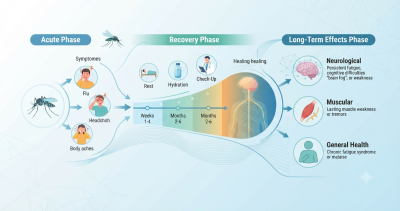
Recovery varies considerably depending on illness severity and individual health status. Many people with mild infections recover completely within several weeks, although fatigue and weakness may persist longer. Patients recovering from neurological complications often require months of rehabilitation before regaining strength and independence. Some individuals experience lasting cognitive changes, muscle weakness, balance problems, or chronic fatigue that affect daily activities. Regular follow-up appointments help healthcare providers monitor recovery progress and address ongoing physical or neurological concerns. Early rehabilitation interventions often improve long-term functional outcomes and overall quality of life.
Protecting Your Family During West Nile Virus Symptoms
Families can reduce infection risks by creating healthy outdoor habits before mosquito season reaches its peak. Children should wear protective clothing during evening outdoor activities, while parents should apply age-appropriate insect repellents according to product instructions. Pet owners should also reduce standing water around yards and maintain clean outdoor spaces. Planning recreational activities outside peak mosquito feeding hours provides another practical layer of protection. Staying informed through trusted health organizations allows households to respond quickly when local mosquito activity or disease transmission increases within their communities. learn about Is It Illegal to Not Have Health Insurance in the United States?
Frequently Asked Questions
Why do some people never develop symptoms after infection?
Most infected individuals have strong immune responses that control the virus before noticeable illness develops. Only a small percentage experience symptomatic infection, while an even smaller number develop severe neurological disease.
What should you do if you notice west nile virus symptoms?
If west nile virus symptoms appear after mosquito exposure, contact a healthcare provider for medical evaluation. Immediate care is especially important if confusion, severe headache, neck stiffness, weakness, or seizures occur.
How can families reduce the risk of West Nile virus?
Families should use insect repellents, remove standing water, wear protective clothing outdoors, install window screens, and avoid mosquito-heavy areas during dawn and dusk whenever possible.
Where is West Nile virus most commonly found in the United States?
The virus has been reported across most U.S. states, particularly during summer and early fall. Regions with warm temperatures and abundant mosquito populations generally experience higher seasonal activity.
Why is early diagnosis important for severe infections?
Early diagnosis allows healthcare professionals to provide supportive treatment quickly, monitor neurological complications closely, and improve recovery outcomes for patients at higher risk of severe illness.
COMMENTS