
Pelvic disease affects thousands of men across the United States every year, yet many people misunderstand its causes and symptoms. Pelvic Disease in
Pelvic disease affects thousands of men across the United States every year, yet many people misunderstand its causes and symptoms. Pelvic Disease in Men is not a single illness but a broad term describing conditions involving the pelvic organs, muscles, nerves, or surrounding tissues. These disorders can interfere with urinary function, sexual health, bowel movements, and overall quality of life. Early recognition of symptoms and timely medical care improve recovery and reduce complications. Human Health Tips provides research-based health information to help readers understand common medical conditions and make informed healthcare decisions.
Understanding Pelvic Disease in Men
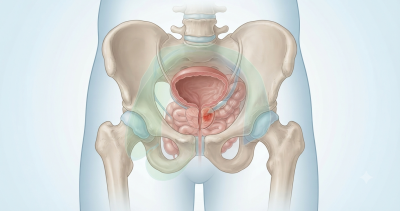
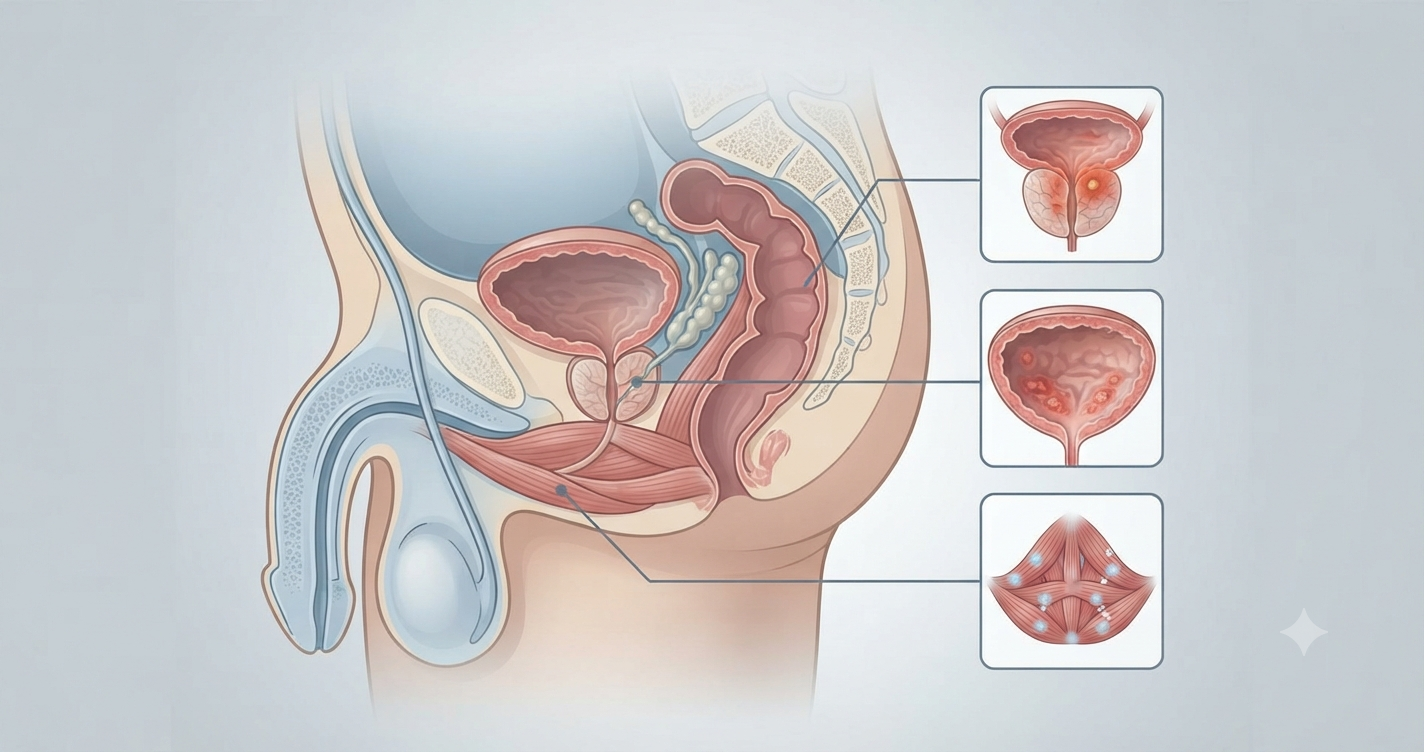
The male pelvis contains several important organs, including the bladder, prostate, urethra, rectum, blood vessels, nerves, and pelvic floor muscles. Diseases affecting any of these structures may cause persistent discomfort or functional problems. Healthcare providers often evaluate multiple systems because symptoms frequently overlap. Common pelvic disorders include chronic prostatitis, pelvic floor dysfunction, urinary tract infections, benign prostatic hyperplasia, and nerve-related pain syndromes. Understanding how these structures work together helps physicians identify the underlying cause instead of treating symptoms alone. Early diagnosis also reduces the risk of chronic pain and long-term complications.
Common Causes of Pelvic Disease in Men
Many different medical conditions contribute to Pelvic Disease in Men, making accurate diagnosis essential. Bacterial infections remain one of the leading causes, particularly when they involve the prostate or urinary tract. Chronic inflammation without infection may also produce ongoing pelvic discomfort. Pelvic muscle tension, previous surgery, trauma, kidney stones, sexually transmitted infections, and nerve compression can all contribute to symptoms. Lifestyle factors such as prolonged sitting, obesity, chronic stress, smoking, and poor physical activity may worsen pelvic disorders. In some patients, multiple factors work together rather than a single identifiable cause.
Major Risk Factors
- Increasing age, especially after 40 years.
- Chronic prostatitis or prostate inflammation.
- Recurrent urinary tract infections.
- Sexually transmitted infections.
- Pelvic injuries or previous surgery.
- Long periods of sitting.
- Obesity and physical inactivity.
- Chronic constipation.
- Diabetes and metabolic disorders.
- High stress and anxiety levels.
Early Symptoms You Should Never Ignore
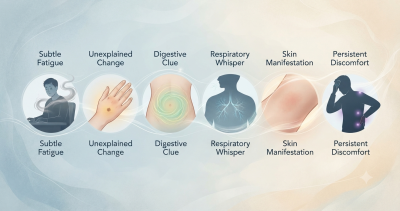
Symptoms vary depending on the affected organ, severity, and duration of the disease. Many men experience dull pelvic pain that may spread to the lower abdomen, groin, hips, testicles, or lower back. Burning during urination, urinary urgency, frequent nighttime urination, painful ejaculation, erectile dysfunction, and bowel discomfort may also develop. Some individuals report pressure around the perineum between the scrotum and anus. Symptoms often worsen after prolonged sitting or physical activity. Persistent discomfort lasting several weeks deserves medical evaluation because untreated pelvic disorders may gradually become chronic and significantly reduce daily functioning.
How Chronic Pelvic Pain Syndrome Affects Daily Life
Chronic pelvic pain syndrome is one of the most challenging conditions affecting men. Unlike bacterial infections, this syndrome often develops without a clear infectious cause. Pain may persist for months and fluctuate in intensity throughout the day. Many patients experience fatigue, sleep disturbances, reduced work productivity, anxiety, and depression due to ongoing discomfort. Sexual relationships may also suffer because painful ejaculation and erectile difficulties create emotional stress. Comprehensive treatment focuses on pain management, muscle relaxation, physical therapy, psychological support, and lifestyle modifications rather than relying solely on antibiotics.
The Connection Between Prostate Health and Pelvic Disease in Men
The prostate gland plays a significant role in many cases of Pelvic Disease in Men because inflammation or enlargement frequently causes pelvic symptoms. Acute bacterial prostatitis produces sudden fever, painful urination, and severe pelvic discomfort requiring prompt treatment. Chronic prostatitis develops more gradually and often causes recurring pain with urinary symptoms. Benign prostatic hyperplasia, although non-cancerous, may also create bladder pressure and incomplete emptying. Healthcare providers evaluate prostate health through physical examination, laboratory testing, imaging studies, and symptom assessment to determine the most appropriate treatment strategy.
Diagnostic Tests Doctors May Recommend
- Medical history review.
- Physical and pelvic examination.
- Digital rectal examination.
- Urinalysis and urine culture.
- Blood tests.
- Prostate-specific antigen (PSA) testing when appropriate.
- Semen analysis in selected cases.
- Ultrasound imaging.
- MRI or CT scan for complex conditions.
- Cystoscopy for bladder evaluation.
How Doctors Diagnose Pelvic Disorders
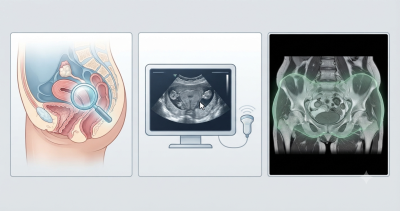
Accurate diagnosis requires careful evaluation because many pelvic conditions share similar symptoms. Physicians begin by reviewing medical history, symptom duration, sexual health, urinary patterns, previous surgeries, and medication use. A physical examination assesses tenderness, muscle tightness, abdominal pain, and prostate abnormalities. Laboratory testing identifies infections, inflammation, or blood in the urine. Imaging studies help detect kidney stones, tumors, structural abnormalities, or enlarged organs. In difficult cases, specialists such as urologists, gastroenterologists, neurologists, or pelvic floor physical therapists collaborate to develop a personalized diagnosis and treatment plan.
Treatment Options Based on Individual Conditions
Treatment depends entirely on the underlying cause rather than symptom severity alone. Bacterial infections require targeted antibiotics based on culture results whenever possible. Anti-inflammatory medications, alpha-blockers, muscle relaxants, and pain relievers may reduce discomfort in selected patients. Pelvic floor physical therapy effectively treats muscle dysfunction and improves coordination. Warm baths, stress management, dietary adjustments, and regular exercise often complement medical therapy. Personalized care generally provides better outcomes than using a single treatment approach.
Lifestyle Changes That Support Recovery
Healthy daily habits significantly improve pelvic health and may reduce symptom recurrence. Drinking adequate water supports urinary tract function and lowers infection risk. Regular physical activity strengthens muscles, improves circulation, and decreases inflammation throughout the body. Avoiding prolonged sitting reduces pressure on pelvic nerves and muscles. High-fiber foods help prevent constipation, which can worsen pelvic discomfort. Limiting alcohol, excessive caffeine, spicy foods, and tobacco products may also decrease urinary irritation. Maintaining a healthy weight and practicing stress-reduction techniques contribute to long-term symptom control and overall wellness.
Possible Complications Without Proper Treatment
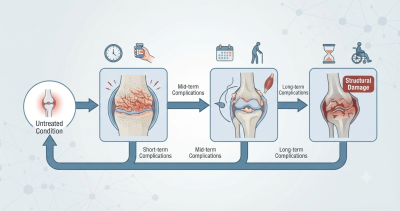
Ignoring persistent pelvic symptoms increases the likelihood of long-term complications. Chronic pain may interfere with employment, exercise, and social relationships. Untreated infections occasionally spread to nearby tissues and become more difficult to manage. Recurrent urinary tract infections may damage urinary function over time. Ongoing inflammation can contribute to sexual dysfunction, reduced fertility in certain cases, and emotional distress. Sleep disruption, depression, and anxiety frequently accompany chronic pain disorders. Seeking early medical evaluation improves treatment success while minimizing physical and psychological complications associated with untreated pelvic disease.
Prevention Strategies for Pelvic Disease in Men
Although not every pelvic disorder can be prevented, healthy habits reduce several important risk factors. Good personal hygiene lowers infection risk, while practicing safe sex helps prevent sexually transmitted infections. Staying physically active improves circulation and pelvic muscle function. Proper hydration supports kidney and bladder health throughout adulthood. Men should avoid delaying urination for extended periods because bladder overdistension may increase discomfort. Routine medical checkups become increasingly important with age, especially for prostate health screening. Human Health Tips encourages preventive healthcare practices that support long-term urinary, reproductive, and overall wellness.
Frequently Asked Questions
Why does pelvic pain last for months in some men?
Chronic pelvic pain may result from persistent inflammation, pelvic floor muscle dysfunction, nerve irritation, or chronic prostatitis. Multiple contributing factors often require a combination of medical treatments, physical therapy, and lifestyle modifications.
What is the most common cause of pelvic disease in men?
Prostatitis, urinary tract infections, pelvic floor dysfunction, and chronic pelvic pain syndrome are among the most common causes. Accurate diagnosis determines which condition is responsible for individual symptoms.
How is Pelvic Disease in Men treated successfully?
Successful treatment depends on identifying the underlying cause. Doctors may recommend antibiotics, medications, pelvic floor therapy, exercise, dietary improvements, stress management, or minimally invasive procedures when necessary.
Where should men seek medical care for pelvic symptoms?
Men should begin with a primary care physician, who may refer them to a urologist or pelvic floor specialist. Early evaluation improves diagnosis and reduces the risk of chronic complications.
Why is early diagnosis important for long-term pelvic health?
Early diagnosis allows healthcare providers to treat infections, inflammation, and structural problems before symptoms become chronic. Prompt treatment also improves quality of life and lowers the risk of long-term urinary and sexual complications.
COMMENTS