
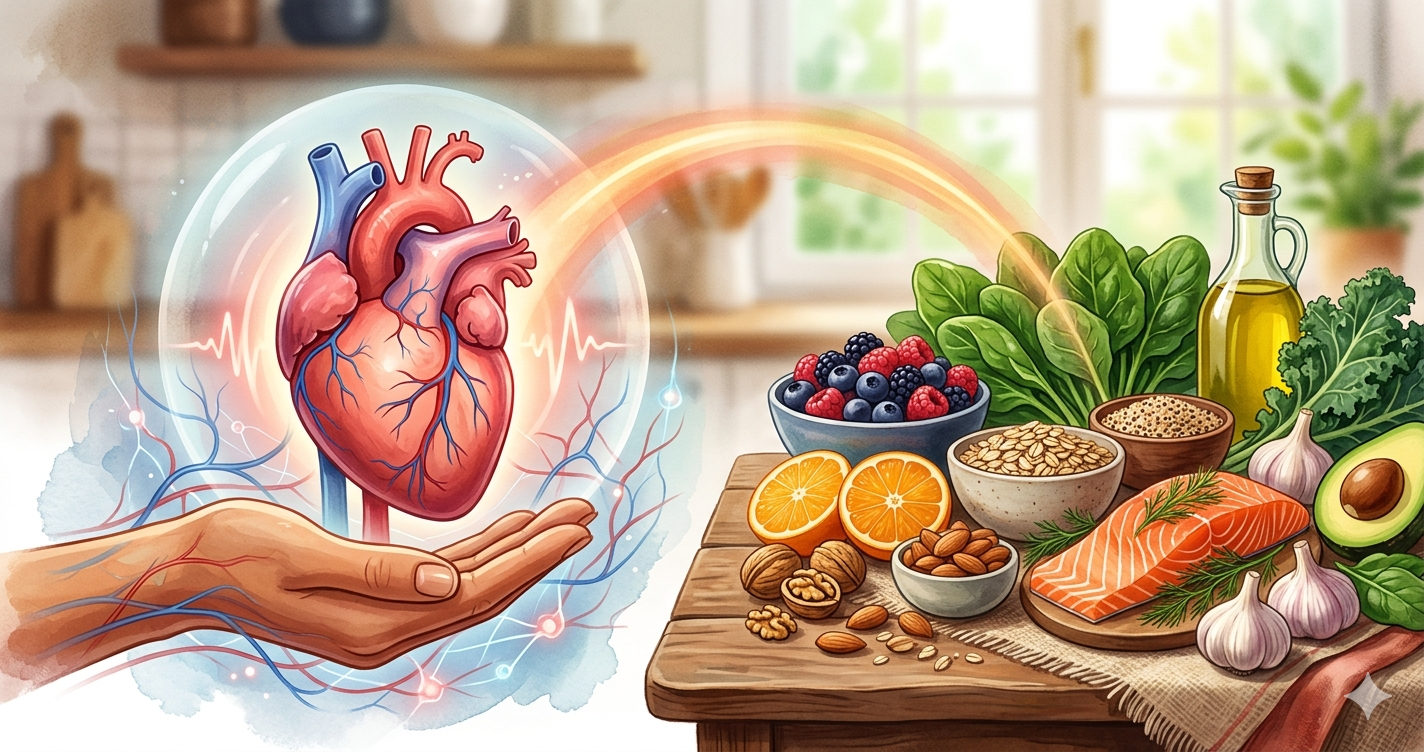
Proper dietary planning plays a crucial role in managing heart-related conditions and improving daily well-being. Moreover, Nutrition for heart failur
Proper dietary planning plays a crucial role in managing heart-related conditions and improving daily well-being. Moreover, Nutrition for heart failure is an essential approach that focuses on reducing strain on the heart while improving circulation and energy levels. In addition, patients in the United States are increasingly guided by research-based dietary patterns that emphasize balanced nutrients, controlled sodium, and heart-friendly foods. Furthermore, clinical studies show that dietary improvements can help reduce fluid retention and hospital visits. Therefore, adopting structured eating habits is highly beneficial for cardiovascular health. Ultimately, Human Health Tips promotes mindful nutrition strategies that support cardiovascular stability and long-term wellness for patients living with chronic heart conditions.
Understanding Heart Failure and Dietary Impact

Diet directly influences how efficiently the heart pumps blood and manages fluid balance. Therefore, poor nutrition can worsen symptoms like swelling, fatigue, and shortness of breath. In addition, a balanced diet helps maintain electrolyte stability and reduces stress on the cardiovascular system. Furthermore, research supports dietary patterns such as DASH and Mediterranean diets for better heart outcomes. As a result, patients are encouraged to focus on fresh, minimally processed foods and consistent meal timing. Moreover, these healthy habits help stabilize blood pressure and improve energy distribution throughout the day.
Nutrition for Heart Failure: Key Dietary Principles for Heart Health
A structured diet is essential for improving heart function and preventing complications. Nutritional balance supports circulation and reduces cardiac workload. Whole foods, fiber-rich meals, and healthy fats are strongly recommended by clinical guidelines. Limiting processed foods is equally important for reducing sodium and unhealthy additives.
Core principles include:
- Choosing fresh vegetables and fruits daily
- Using lean proteins like chicken, fish, and legumes
- Including whole grains for sustained energy
- Reducing processed and packaged foods
- Maintaining consistent meal timing
These principles form the foundation of long-term heart stability and improved quality of life.
Foods to Eat for Heart Health

Choosing nutrient-dense foods can significantly improve heart performance and overall health. These foods help reduce inflammation, support circulation, and stabilize cholesterol levels.
Recommended foods include:
- Leafy greens such as spinach and kale
- Fatty fish like salmon and tuna
- Whole grains like oats and brown rice
- Berries rich in antioxidants
- Nuts and seeds for healthy fats
- Legumes such as beans and lentils
These foods support stronger heart function and help reduce long-term cardiovascular risks.
Foods to Avoid in Heart Failure Diet
Certain foods can worsen symptoms and increase fluid retention in heart failure patients. Avoiding them is essential for symptom control and long-term stability.
Foods to limit or avoid:
- Processed meats like sausages and bacon
- Fast foods high in sodium
- Sugary drinks and sodas
- Packaged snacks with preservatives
- Fried foods high in saturated fats
These items increase blood pressure, cholesterol levels, and strain on the heart. Eliminating them supports better cardiovascular health outcomes.
Sodium Management and Fluid Control
Controlling sodium intake is critical for reducing fluid buildup in the body. Moreover, excess sodium can cause swelling, weight gain, and breathing https://humanhealthtips.com/nutrition-for-wellness-role-in-preventing-chronic-diseases/difficulties. Therefore, patients are advised to avoid adding extra salt during cooking and carefully check food labels. In addition, fluid intake should be monitored based on medical guidance. Furthermore, maintaining balanced hydration helps support proper circulation without placing extra strain on the heart. As a result, healthcare providers often set personalized sodium limits to improve symptom management and help reduce hospitalizations in chronic heart conditions. Ultimately, following these dietary recommendations can support better heart health and overall well-being.
Nutrition for Heart Failure: Essential Meal Planning Strategies
Meal planning helps patients maintain consistency and avoid unhealthy food choices. Preparing meals at home allows better control over ingredients and nutrition quality. Structured planning reduces dependency on processed foods and fast food options.
Effective planning strategies:
- Prepare meals in advance for the week
- Use herbs and spices instead of salt
- Include vegetables in every meal
- Eat smaller, bur frequent meals daily
- Choose baked or grilled foods
These habits support better energy levels and long-term dietary adherence.
Lifestyle and Dietary Synergy
Healthy lifestyle habits also enhance the effectiveness of dietary changes in heart patients. Additionally, daily physical activity improves circulation and strengthens the heart muscle. Moreover, stress management techniques help regulate blood pressure and reduce strain. Similarly, adequate sleep supports overall recovery and energy balance. As a result, nutrition for heart failure becomes more effective when combined with walking, light exercise, and mindfulness practices. Furthermore, these healthy habits work together to improve long-term heart health and reduce the risks of disease progression.
Medical Nutrition Therapy in Heart Failure Care

Medical nutrition therapy provides personalized dietary support for heart patients. First, registered dietitians evaluate medical history, symptoms, and nutritional needs to create effective strategies. Furthermore, customized plans ensure proper nutrient intake while helping control sodium and fluid levels. Additionally, research shows that structured nutrition therapy can reduce hospitalization rates and improve patient outcomes. Moreover, continuous monitoring allows dietary adjustments based on health progress and changing needs. As a result, this approach empowers patients with knowledge and practical strategies for better long-term heart management.
Common Dietary Mistakes to Avoid
Many patients unintentionally follow habits that worsen heart conditions. Awareness of these mistakes helps improve outcomes and reduce complications.
Common mistakes include:
- Eating hidden high-sodium packaged foods
- Skipping meals or irregular eating patterns
- Overeating processed snacks
- Ignoring portion control guidelines
- Consuming sugary beverages frequently
Correcting these habits improves symptom control and supports stable heart function over time.
Frequently Asked Questions
Why is diet important for heart failure patients?
Diet helps control fluid balance, blood pressure, and heart workload. Proper nutrition reduces complications and improves daily functioning.
What foods should be prioritized in a heart failure diet?
Patients should focus on vegetables, fruits, whole grains, lean proteins, and healthy fats for optimal heart support.
How can sodium intake be effectively reduced?
Sodium can be reduced by avoiding processed foods, reading labels, and using herbs instead of salt in cooking.
Where can patients get expert dietary guidance?
Patients can consult registered dietitians or healthcare professionals specializing in cardiovascular nutrition for personalized meal plans.
COMMENTS