
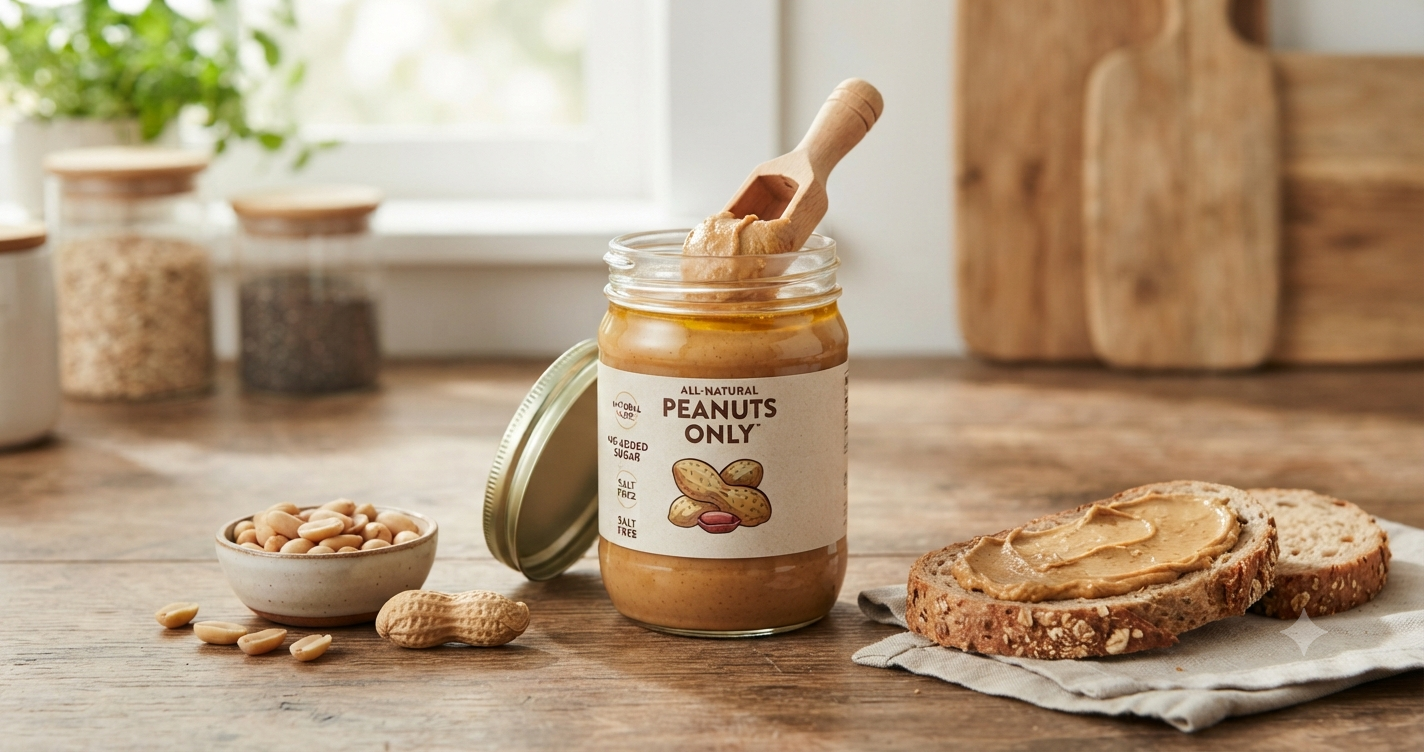
Finding the right sugar free peanut butter can make a meaningful difference in your daily nutrition. Whether your goal is weight management, blood sug
Finding the right sugar free peanut butter can make a meaningful difference in your daily nutrition. Whether your goal is weight management, blood sugar control, or a healthier lifestyle, selecting the right product requires more than reading the front label. Many brands advertise “no added sugar” while including ingredients that reduce nutritional value. Research suggests that choosing minimally processed peanut butter with healthy fats, natural protein, and limited additives supports better heart health and sustained energy. This content informed food choices based on scientific evidence and practical nutrition advice for people across the United States.
Why Sugar Free Peanut Butter Is Becoming More Popular
Health-conscious consumers are paying closer attention to added sugars in everyday foods. Peanut butter often contains excessive sugar to improve flavor, but high intake sugar is linked to obesity, type 2 diabetes, and cardiovascular disease. Sugar-free varieties eliminate unnecessary sweeteners while maintaining the nutritional benefits of peanuts. Registered dietitians frequently recommend natural peanut butter because it provides protein, dietary fiber, vitamin E, magnesium, and healthy unsaturated fats. These nutrients promote fullness, muscle repair, and heart health while helping reduce unhealthy snacking between meals.
Understanding Sugar Free Peanut Butter Labels
Reading nutrition labels is one of the smartest shopping habits you can develop. Products labeled “sugar-free” should contain little to no added sugars, but consumers should still review the ingredient list carefully. Ideally, the ingredients should include only roasted peanuts and perhaps a small amount of salt. Avoid products containing hydrogenated oils, artificial preservatives, corn syrup, or unnecessary fillers. The Nutrition Facts panel also provides valuable information about calories, protein, total fat, fiber, sodium, and carbohydrates, helping you compare brands objectively before purchasing.
Key Features to Look for When Buying Sugar Free Peanut Butter
- Choose products made with 100% roasted peanuts whenever possible.
- Look for at least 7 grams of protein per serving.
- Prefer healthy unsaturated fats over hydrogenated oils.
- Check for low sodium if managing blood pressure.
- Avoid artificial flavors, preservatives, and excessive stabilizers.
- Select products with higher dietary fiber.
- Review serving sizes before comparing nutrition facts.
- Consider organic options if avoiding pesticide exposure.
Nutritional Benefits of Natural Peanut Butter
Natural peanut butter offers an impressive combination of essential nutrients. Peanuts contain plant-based protein that supports muscle maintenance and recovery. Healthy monounsaturated and polyunsaturated fats improved cardiovascular health by helping maintain balanced cholesterol levels. Vitamin E acts as a powerful antioxidant, protecting cells from oxidative stress. Magnesium supports nerve function, muscle contraction, and bone strength, while niacin contributes to energy metabolism. Fiber also promotes digestive health and keeps you feeling satisfied longer, making natural peanut butter a valuable addition to balanced meal planning.
Who Should Eat Sugar Free Peanut Butter
Many individuals can benefit from choosing sugar free peanut butter as part of a balanced eating plan. People with diabetes often prefer lower-sugar spreads to help manage blood glucose levels. Those following ketogenic, low-carb, high-protein, or weight-loss diets also appreciate its nutrient density. Athletes use peanut butter as a convenient energy source before or after workouts. Children and older adults can enjoy its healthy fats and protein, provided there are no peanut allergies. Moderation remains important because peanut butter is calorie-dense despite its nutritional advantages.
Ingredients That Should Raise Concerns
Not every peanut butter marketed as healthy deserves a place in your pantry. Some manufacturers replace sugar with artificial sweeteners or include unhealthy oils that diminish nutritional quality. Hydrogenated vegetable oils introduce trans fats, which increase cardiovascular risk. High sodium levels may not suit individuals with hypertension. Artificial colors, flavor enhancers, and excessive preservatives provide little nutritional benefit. Research consistently supports choosing foods with shorter ingredient lists because minimally processed products generally retain more natural nutrients while avoiding unnecessary additives.
Comparing Organic and Conventional Peanut Butter
Organic peanut butter appeals to consumers seeking foods produced without synthetic pesticides or genetically modified ingredients. Although research shows both organic and conventional peanut butter provide similar protein, healthy fats, and vitamins, organic farming practices may reduce chemical exposure. Conventional options are usually more affordable and widely available throughout the United States. Ultimately, the healthiest choice depends more on ingredient quality than certification alone. Selecting peanut butter made primarily from roasted peanuts remains the most important nutritional consideration regardless of production method.
Healthy Ways to Include Peanut Butter in Your Diet
- Spread it on whole-grain toast at breakfast.
- Blend it into protein smoothies.
- Add it to oatmeal for extra protein.
- Pair it with apple slices or bananas.
- Mix it into Greek yogurt.
- Use it as a vegetable dip.
- Prepare homemade energy bites.
- Include it in healthy salad dressings.
Is Sugar Free Peanut Butter Good for Weight Management?
Despite being calorie-rich, peanut butter may actually support healthy weight management. Studies indicate that foods rich in protein and healthy fats increase satiety, reducing overall calorie intake throughout the day. Eating moderate portions helps prevent overeating while providing lasting energy. Pairing peanut butter with high-fiber foods such as fruits, vegetables, or whole grains further enhances fullness. Portion control remains essential because consuming large amounts can significantly increase daily calorie intake even when no added sugar is present.
Common Misconceptions About Peanut Butter
Several myths continue to confuse shoppers when selecting healthier peanut butter. Some believe all peanut butter is naturally healthy, but added sugars and hydrogenated oils can reduce nutritional quality. Others assume fat should always be avoided, even though peanuts contain primarily heart-friendly unsaturated fats. Another misconception suggests sugar-free products always taste bland. Many natural varieties have a rich, roasted peanut flavor without requiring added sweeteners. Understanding these differences helps consumers make smarter purchasing decisions based on nutrition rather than marketing claims.
Best Storage Practices for Freshness and Quality
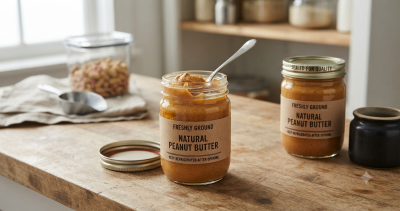
Proper storage preserves flavor, texture, and nutritional value. Natural peanut butter often separates because it lacks stabilizers, allowing the oil to rise naturally. Stir thoroughly before first use and store according to the manufacturer’s recommendations. Refrigeration helps maintain freshness after opening, although some products remain stable in a cool pantry. Always use a clean spoon to prevent contamination. Keep the lid tightly sealed and avoid exposing the jar to excessive heat, moisture, or direct sunlight for prolonged periods.
Making Smarter Nutrition Choices Every Day
Selecting healthier pantry staples contributes to long-term wellness rather than quick dietary fixes. Pairing nutritious foods with Omega 3 with Vitamin supplements, when appropriate, can help support overall wellness and complement a balanced diet. Choosing sugar free peanut butter alongside fruits, vegetables, lean proteins, whole grains, and healthy fats creates a balanced eating pattern that supports energy, heart health, and blood sugar stability. Small, consistent improvements in food selection, combined with smart nutritional choices, often produce greater long-term health benefits than restrictive diets or short-lived nutrition trends.
Frequently Asked Questions
Why is sugar free peanut butter considered healthier?
It contains little or no added sugar while providing protein, healthy fats, fiber, vitamins, and minerals. This combination supports stable energy levels, better heart health, and improved blood sugar management when eaten in appropriate portions.
What ingredients should I avoid when buying peanut butter?
Avoid products containing hydrogenated oils, corn syrup, excessive sodium, artificial preservatives, artificial sweeteners, and unnecessary fillers. A shorter ingredient list usually indicates a higher-quality product.
How much peanut butter should I take each day?
Most nutrition experts recommend one to two tablespoons daily as part of a balanced diet. This serving provides beneficial nutrients without contributing excessive calories.
Where can I find quality sugar free peanut butter in the United States?
Most major grocery stores, health food retailers, warehouse clubs, and reputable online marketplaces offer several natural and sugar-free peanut butter brands. Always compare nutrition labels before purchasing.
Why should athletes include peanut butter in their meals?
Peanut butter supplies plant protein, healthy fats, magnesium, and energy-supporting nutrients. It helps fuel workouts, supports muscle recovery, and promotes longer-lasting satiety when paired with wholesome carbohydrates.
COMMENTS