

Healthcare systems in the United States depend on skilled professionals who support patients and medical teams. Many people ask what is a pct in healt
Healthcare systems in the United States depend on skilled professionals who support patients and medical teams. Many people ask what is a pct in healthcare when exploring healthcare careers and patient support roles. A Patient Care Technician plays an important part in hospitals, clinics, and long-term care facilities. These professionals provide direct assistance, monitor patient conditions, and support nurses with daily care activities. Their responsibilities combine clinical knowledge, compassion, and communication skills. As healthcare needs continue growing, PCTs are becoming valuable members of modern medical teams across different healthcare environments.
The Meaning and Purpose of a Patient Care Technician

A Patient Care Technician is a trained healthcare worker who provides basic medical care and emotional support to patients. PCTs work under the supervision of nurses, physicians, and other healthcare professionals. Their main goal is improving patient comfort while helping maintain safe and efficient healthcare services. They assist with routine tasks, collect health information, and communicate patient concerns to medical staff. Many healthcare organizations value PCTs and Non-Medical Home Health Providers in the United States because they help reduce workload pressure on nurses while ensuring patients receive consistent attention. This career path is especially important in hospitals where teamwork directly impacts patient outcomes and satisfaction.
Main Responsibilities of a Patient Care Technician
Daily Tasks and Clinical Support Duties
- Monitoring vital signs, including temperature, pulse, and blood pressure.
- Assisting patients with mobility, hygiene, and personal care needs.
- Preparing patients for examinations and medical procedures.
- Recording patient information accurately in healthcare systems.
- Supporting nurses with treatment preparation and documentation.
- Providing emotional encouragement during patient recovery periods.
PCTs perform many essential duties that improve the overall patient experience. They often spend more time with patients than other healthcare workers, allowing them to notice changes in physical or emotional conditions. Their observations help nurses and doctors make better decisions about patient care. A strong understanding of safety procedures, infection control, and communication techniques helps PCTs maintain high-quality healthcare standards. These responsibilities require patience, attention to detail, and a genuine interest in helping people during medical challenges.
Education and Training Requirements for Patient Care Technicians
Becoming a Patient Care Technician requires specialized training through healthcare programs, community colleges, or vocational institutions. Understanding What Is a PCT in Healthcare helps students recognize the importance of proper education and clinical preparation for this career. Training programs commonly include medical terminology, anatomy, patient safety, and essential clinical skills. Students learn how to assist patients properly while following healthcare regulations. Many programs also provide hands-on clinical experience in hospitals or healthcare facilities. Certification requirements can vary by state, but additional credentials may improve employment opportunities. Training helps future PCTs develop confidence and professional skills needed for working in demanding healthcare environments.
Why Patient Care Technicians Are Important in Healthcare
Patient Care Technicians contribute significantly to improving healthcare quality and efficiency. They provide essential bedside support that allows nurses and physicians to focus on more complex medical responsibilities. Their work helps patients feel more comfortable during hospital stays and recovery processes. Research in healthcare workforce development shows that supportive care roles can improve patient satisfaction and strengthen healthcare delivery systems. PCTs also help identify patient concerns early because they frequently interact with individuals throughout the day. Their involvement creates better communication between patients and healthcare providers.
Skills Needed to Become a Successful PCT Healthcare
Essential Professional and Personal Skills
- Strong communication with patients and healthcare teams.
- Compassion and patience when supporting different individuals.
- Ability to follow medical instructions carefully.
- Good organization and time management abilities.
- Knowledge of basic healthcare safety practices.
- Emotional strength during challenging medical situations.
Successful PCTs combine technical abilities with human-centered care. Medical knowledge is important, but empathy and communication are equally valuable. Patients often feel vulnerable during illness or recovery, making supportive interaction a major part of the role. Employers look for individuals who can remain calm, respectful, and professional. Continuous learning also helps PCTs adapt to new healthcare technologies, procedures, and patient care standards.
Career Opportunities for Patient HealthCare Technicians
The demand for healthcare support professionals continues increasing throughout the United States. Many PCTs begin their careers in hospitals before advancing into specialized healthcare positions. Some professionals continue education to become registered nurses, medical assistants, or other healthcare specialists. According to healthcare workforce trends, patient support roles remain important because aging populations require more medical assistance. A career as a PCT can provide valuable experience for individuals interested in long-term healthcare careers. It offers opportunities to develop practical skills while making a meaningful difference in patients’ lives.
Difference Between a PCT and Other Healthcare Support Roles
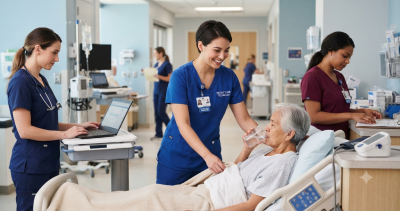
A PCT and other healthcare assistants may share similar responsibilities, but their training and duties can differ. Nursing assistants usually focus on basic daily care, while PCTs often receive additional clinical training. The role may include tasks such as collecting specimens, performing electrocardiograms, or assisting with specialized procedures. Understanding these differences helps students choose suitable healthcare career options. Each healthcare position contributes important services, but PCTs often have a broader range of responsibilities within patient care teams.
Workplace Environment of Patient HealthCare Technicians
Patient Care Technicians commonly work in hospitals, emergency departments, rehabilitation centers, and nursing facilities. Their daily environment can be fast-paced and requires flexibility. They interact with patients, families, nurses, and physicians regularly. Working conditions may involve standing for long periods and managing multiple responsibilities. However, many professionals find satisfaction through helping patients recover and improving their healthcare experiences. Healthcare organizations provide training and support to help PCTs handle workplace challenges effectively.
How Human Health Tips Supports Better Healthcare Awareness
Human Health Tips focuses on sharing reliable health information that helps people understand important healthcare topics. Learning about healthcare careers, medical roles, and patient support services improves public awareness. Knowledge about professionals like PCTs helps individuals recognize the teamwork involved in quality healthcare. Reliable health education encourages better decisions and stronger relationships between patients and medical providers. Understanding healthcare roles also helps future professionals explore career opportunities in growing medical fields.
The Future Importance of Patient Care Technicians

The healthcare industry continues changing because of technology, population growth, and increasing patient needs. PCTs will remain important because personal care and human interaction cannot be replaced completely by technology. Healthcare facilities need trained professionals who can provide direct support and improve patient experiences. As medical services expand, PCTs may receive more opportunities for career development and specialization. Their contribution represents an important connection between patients and healthcare systems, making them valuable members of modern healthcare teams.
FAQs
Why do patients benefit from having a Patient Care Technician during treatment?
Patients receive additional support, comfort, and monitoring from trained healthcare assistants.
What qualifications are commonly needed to become a Patient Care Technician?
Most positions require healthcare training, clinical education, and sometimes professional certification.
How does a Patient Care Technician support nurses and doctors?
They assist with routine care tasks, patient monitoring, and important healthcare responsibilities.
Where can Patient Care Technicians find employment opportunities?
They can work in hospitals, clinics, rehabilitation centers, and long-term care facilities.
COMMENTS