
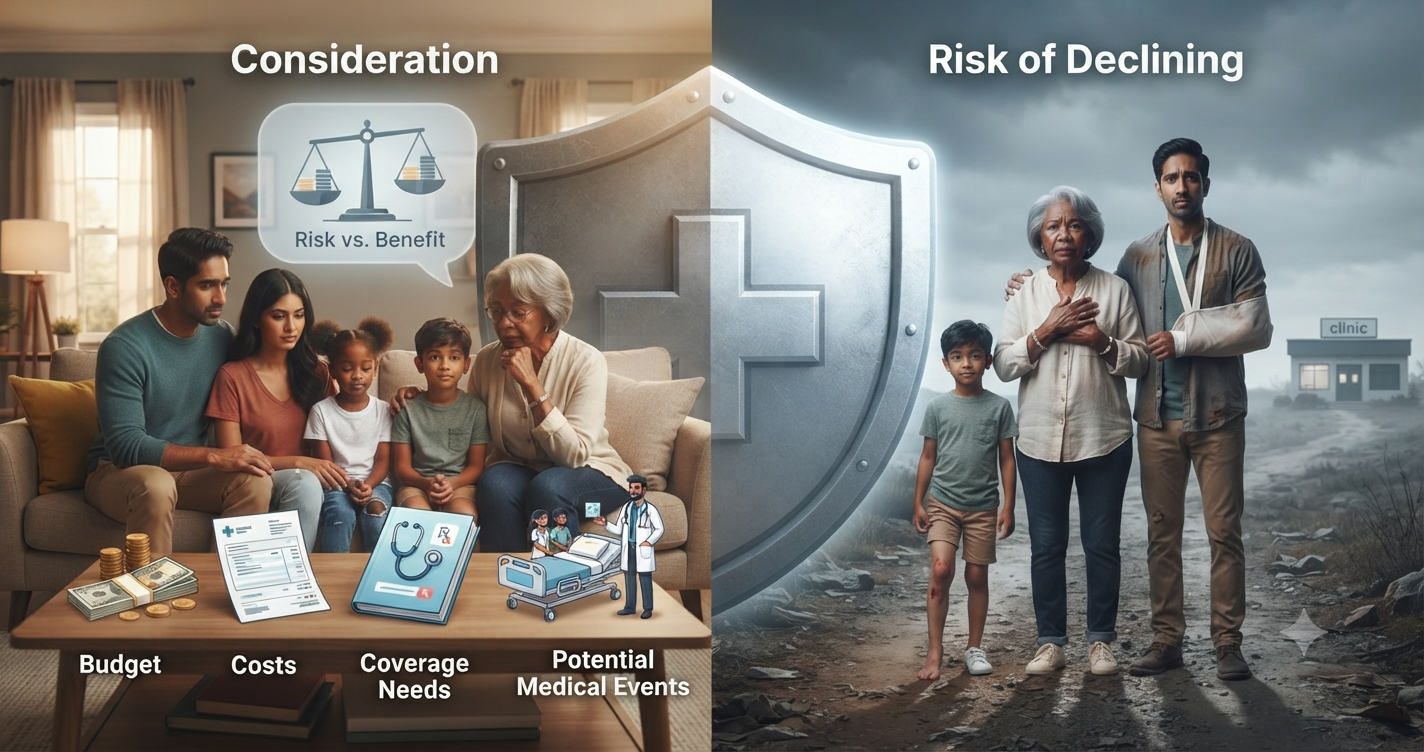
Many Americans wonder, is it illegal to not have health insurance in today's healthcare system. The answer depends on federal and state laws, making t
Many Americans wonder, is it illegal to not have health insurance in today’s healthcare system. The answer depends on federal and state laws, making the topic more complex than many people expect. While the federal government no longer charges most people a tax penalty for lacking coverage, some states still enforce their own health insurance requirements. Understanding your legal responsibilities helps you avoid unexpected costs and make informed healthcare decisions. At Human Health Tips, we believe reliable information empowers individuals to protect both their health and financial future through smart planning.
Understanding Health Insurance Laws in the United States

Health insurance plays a vital role in protecting individuals from expensive medical bills. The United States healthcare system combines private insurance, employer-sponsored plans, government programs, and marketplace coverage. Unlike many countries with universal healthcare, Americans often need to choose and purchase suitable insurance plans.
The federal government previously required most Americans to maintain minimum essential coverage under the Affordable Care Act (ACA). However, changes to federal law have altered that requirement. Today, legal obligations depend on where you live and your personal circumstances. Understanding these regulations helps consumers make informed decisions while reducing financial risks associated with unexpected medical emergencies.
Is It Illegal to Not Have Health Insuranc Under Federal Law?
Many people continue asking, is it illegal to not have health insuranc because of outdated information about the Affordable Care Act. The federal individual mandate technically still exists, but Congress reduced the federal tax penalty to zero beginning in 2019. This means most Americans no longer face a federal financial penalty if they choose not to carry qualifying health insurance.
Although there is no federal fine, remaining uninsured still creates significant financial risks. Medical emergencies, surgeries, hospital stays, and prescription medications can become extremely expensive without adequate coverage. Therefore, while federal law no longer penalizes uninsured individuals financially, maintaining health insurance remains a practical and responsible decision.
States That Still Require Health Insurance
Several states have adopted their own individual health insurance mandates after the federal penalty was removed. Residents living in these states may still face state tax penalties for failing to maintain qualifying coverage.
States With Individual Health Insurance Mandates
- California
- Massachusetts
- New Jersey
- Rhode Island
- Vermont (reporting requirement)
- District of Columbia
Each state establishes its own eligibility rules, exemptions, reporting requirements, and penalty calculations. Residents should review their state’s healthcare regulations annually because insurance laws and tax requirements may change over time.
Why Health Insurance Remains Important Even Without a Federal Penalty

Even without a federal financial penalty, health insurance remains one of the most valuable financial protections available. Healthcare costs continue rising across the United States, making even routine medical care expensive. Emergency room visits, diagnostic testing, specialist consultations, and surgeries can quickly create thousands of dollars in medical debt.
Insurance also provides access to preventive healthcare services, including annual wellness visits, vaccinations, screenings, and chronic disease management. Preventive care helps detect illnesses early, improving treatment outcomes while reducing long-term healthcare expenses. Comprehensive coverage offers both financial security and better access to quality healthcare providers.
Health Insurance Options If You Wonder Is It Illegal to Not Have Health Insurance
Americans have several coverage options depending on employment status, income, age, and family circumstances. Understanding available choices helps consumers select the most appropriate plan for their healthcare needs.
Some common health insurance options include:
- Employer-sponsored health insurance
- Affordable Care Act Marketplace plans
- Medicaid
- Medicare
- Children’s Health Insurance Program (CHIP)
- Short-term health insurance
- Private individual insurance plans
Each option offers different premiums, deductibles, provider networks, and coverage levels. Comparing benefits carefully helps individuals maximize healthcare value while staying within their budgets.
Who May Qualify for Health Insurance Exemptions?
If you are wondering, is it illegal to not have health insurance, exemptions remain important in states that enforce individual health insurance mandates. Although most federal penalties have been eliminated, certain individuals may legally avoid state penalties based on financial hardship, income level, religious beliefs, or other qualifying circumstances.
Common exemption categories include severe financial hardship, unaffordable insurance premiums, specific religious exemptions, certain immigration statuses, incarceration, or short coverage gaps. Eligibility varies by state, making it important to review local regulations before assuming an exemption applies. Consulting official state resources or licensed insurance professionals can help you determine is it illegal to not have health insurance in your state and whether you qualify for an exemption.
Financial Risks if Wonder: Is It Illegal to Not Have Health Insurance?
People often focus on legal questions instead of financial consequences. However, the real danger of lacking insurance usually involves unexpected healthcare expenses rather than legal penalties.
A single emergency room visit may cost several thousand dollars. Hospital admissions, advanced imaging, surgeries, cancer treatments, or intensive care can generate bills exceeding tens of thousands of dollars. Without insurance, patients frequently bear these expenses themselves. Medical debt remains one of the leading causes of personal financial hardship in the United States, highlighting the importance of maintaining adequate health coverage whenever possible.
How the Affordable Care Act Changed Healthcare Coverage
The Affordable Care Act dramatically expanded healthcare access across the United States. If you are asking, is it illegal to not have health insurance, the ACA no longer imposes a federal tax penalty, although some states maintain their own coverage requirements. The law introduced protections preventing insurers from denying coverage due to pre-existing conditions and expanded Medicaid eligibility in participating states. It also established Health Insurance Marketplace exchanges where individuals could compare qualified insurance plans.
Premium tax credits and cost-sharing reductions make coverage more affordable for many families. These financial assistance programs have helped millions obtain comprehensive health insurance. Although the federal penalty disappeared, many ACA protections continue benefiting consumers seeking accessible and affordable healthcare coverage.
Factors to Consider Before Declining Health Insurance
Before deciding against purchasing coverage, individuals should carefully evaluate both health risks and financial stability. Medical emergencies often occur unexpectedly, regardless of age or current health condition.
Consider these important factors:
- Personal medical history
- Family health conditions
- Monthly healthcare expenses
- Prescription medication needs
- Emergency savings
- Employment benefits
- State insurance requirements
Evaluating these considerations helps individuals make informed healthcare decisions instead of focusing solely on insurance premiums.
Tips for Finding Affordable Health Insurance
Many Americans believe health insurance always costs too much. In reality, financial assistance programs and marketplace subsidies significantly reduce premiums for eligible households.
Start by comparing Marketplace plans during open enrollment. Check eligibility for Medicaid or CHIP based on household income. Review employer-sponsored benefits carefully, as group coverage often provides better value. Consider Health Savings Account (HSA)-eligible plans if you qualify. Comparing deductibles, copayments, provider networks, and prescription coverage helps identify plans offering the best balance between affordability and comprehensive protection.
Stay Informed About Health Insurance Regulations
If you still wonder, is it illegal to not have health insuranc, the short answer is generally no at the federal level, but certain states continue enforcing their own health insurance mandates. More importantly, remaining uninsured exposes individuals to substantial financial and medical risks that often outweigh insurance costs. Understanding your state’s requirements, available coverage options, and financial assistance programs allows you to make informed healthcare decisions. Human Health Tips encourages readers to stay informed about evolving healthcare regulations while prioritizing long-term health and financial security.
Frequently Asked Questions
Why do some states still require health insurance?
Some states created their own individual mandates after the federal tax penalty became zero. These laws encourage continuous health coverage and help stabilize insurance markets.
What happens if I do not have health insurance?
In most states, you will not face a federal penalty. However, uninsured individuals remain responsible for paying medical expenses and may face state penalties where applicable.
How can I find affordable health insurance coverage?
You can compare Marketplace plans, review employer-sponsored benefits, check Medicaid eligibility, or explore government subsidy programs during open enrollment periods.
Where can I enroll in health insurance in the United States?
You can enroll through your employer, the Health Insurance Marketplace, Medicaid offices, Medicare, or licensed private insurance providers depending on your eligibility.
COMMENTS