
Choosing the right non-medical home health provider can significantly improve daily living for older adults, individuals with disabilities, and people
Choosing the right non-medical home health provider can significantly improve daily living for older adults, individuals with disabilities, and people recovering from illness or surgery. Unlike skilled nursing services, these providers focus on personal assistance, companionship, and everyday support that promotes independence while maintaining dignity. Research from aging and healthcare organizations consistently shows that receiving care at home improves emotional well-being, reduces unnecessary hospital visits, and enhances overall quality of life. Families across the United States increasingly prefer in-home care because it offers personalized attention within a familiar environment while allowing loved ones to remain comfortable and safe.
Understanding Non-Medical Home Health Services
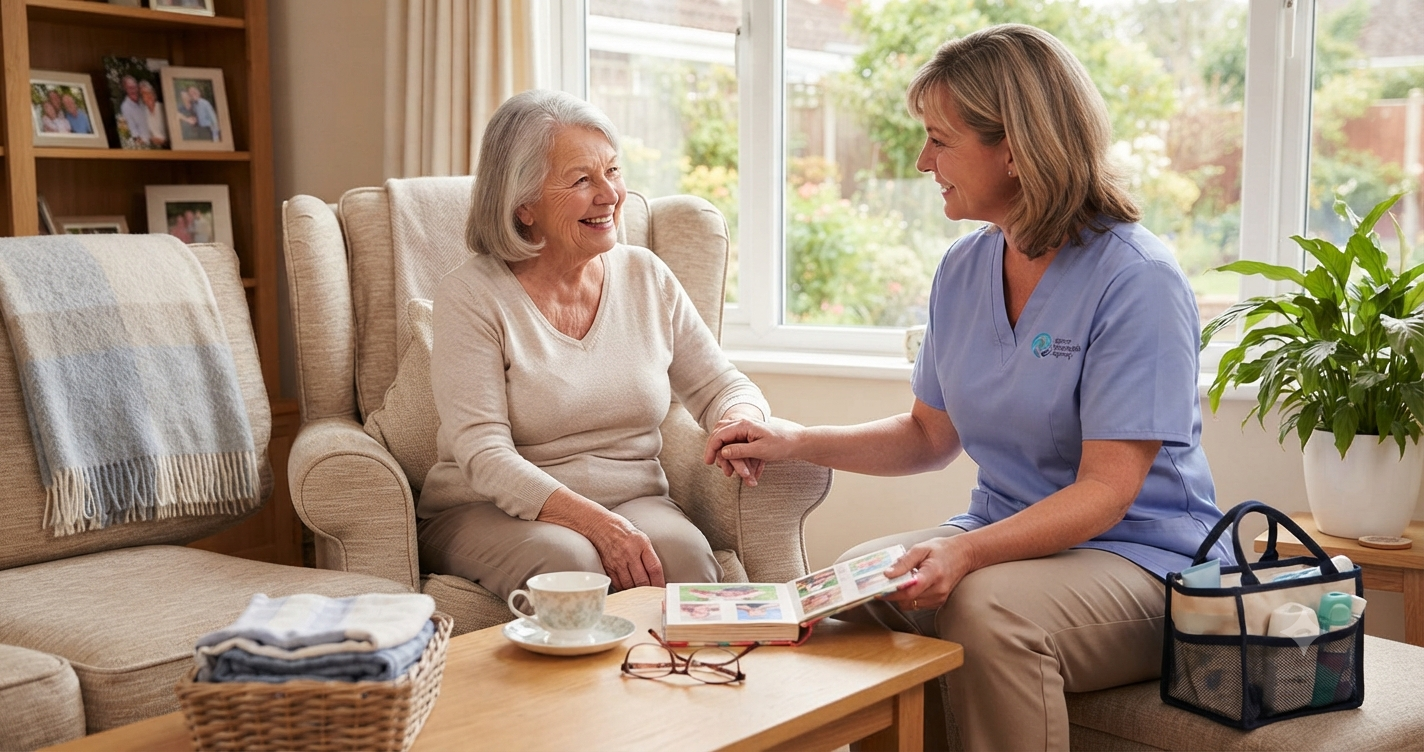
Non-medical home health services focus on assisting individuals with activities of daily living instead of providing clinical or medical treatments. Caregivers help clients maintain independence by supporting everyday routines that might become difficult because of age, disability, or limited mobility. These services commonly include personal hygiene assistance, meal preparation, medication reminders, transportation, companionship, and light housekeeping. According to healthcare research, personalized in-home support contributes to improved mental health, reduced caregiver stress, and increased satisfaction among seniors who wish to age in place without leaving their homes.
Why Non-Medical Home Health Is Growing Across America
The demand for non-medical home health continues to rise because the United States has a rapidly aging population and increasing life expectancy. Many families seek alternatives to nursing homes that preserve independence while offering compassionate assistance. Studies from healthcare researchers indicate that seniors receiving home-based support experience greater emotional stability and stronger social engagement than those living in institutional settings. Technological advancements, better caregiver training, and personalized care planning have also contributed to higher service quality, making home care one of the fastest-growing sectors within the healthcare support industry.
Benefits Families Experience
- Promotes independent living within familiar surroundings.
- Reduces feelings of loneliness and social isolation.
- Provides personalized care according to individual needs.
- Supports family caregivers with daily responsibilities.
- Improves safety through mobility and fall prevention assistance.
- Encourages healthier daily routines and nutrition.
- Offers flexible schedules for changing care requirements.
Core Services Offered by Professional Care Providers
Reliable providers deliver a wide range of supportive services designed to improve everyday living without performing medical procedures. Personal care assistance often includes bathing, dressing, grooming, toileting, and mobility support. Homemaking services help clients maintain clean and organized living spaces while preparing nutritious meals. Companion caregivers encourage conversation, accompany clients to appointments, assist with shopping, and promote recreational activities. Medication reminders help individuals follow physician instructions without administering medications. These services work together to improve overall wellness while allowing clients to remain safely in their own homes.
Essential Qualities of an Excellent Home Care Provider

Selecting the right provider requires careful evaluation of caregiver qualifications, agency standards, and service flexibility. Trusted organizations conduct extensive background checks, provide ongoing caregiver education, and develop personalized care plans for every client. Strong communication between caregivers, clients, and family members builds trust while ensuring changing needs receive prompt attention. Agencies should also maintain clear scheduling practices, emergency response procedures, and quality assurance programs. Families benefit most when providers emphasize compassion, reliability, respect, and consistent care delivery throughout every stage of support.
Important Features to Compare
- Licensed and insured care agency.
- Experienced and well-trained caregivers.
- Customized care planning.
- Flexible hourly and live-in care options.
- Transparent pricing without hidden costs.
- Regular family communication.
- Strong client satisfaction ratings.
How Non-Medical Home Health Supports Aging in Place
The ability to remain at home while receiving supportive care has become a priority for many older Americans. Non-medical home health services help seniors continue familiar routines while preserving independence and emotional comfort. Aging in place reduces disruption, supports stronger community connections, and encourages active lifestyles. Research suggests that seniors living at home often experience lower stress levels, better emotional health, and greater satisfaction than individuals relocating to institutional care settings. Professional caregivers also identify potential household risks that may reduce falls and improve overall home safety.
Personalized Care Plans Improve Daily Quality of Life
Every individual requires different levels of assistance depending on physical ability, cognitive health, and personal preferences. Professional providers conduct comprehensive assessments before developing customized care plans tailored to each client’s unique situation. Care plans evolve over time as health conditions and daily needs change. Individualized support ensures clients receive appropriate assistance while maintaining independence whenever possible. Families also gain confidence knowing caregivers understand personal routines, dietary preferences, mobility limitations, and social interests that contribute to overall well-being and long-term satisfaction.
Common Personalized Support Options
- Morning and evening routine assistance.
- Meal planning and preparation.
- Transportation to appointments.
- Friendly companionship visits.
- Grocery shopping assistance.
- Light housekeeping services.
- Mobility and transfer assistance.
Choosing the Right Non-Medical Home Health Provider

Finding the most suitable non-medical home health provider requires comparing experience, caregiver qualifications, client reviews, and available services. Families should ask detailed questions regarding caregiver matching, emergency protocols, supervision, and scheduling flexibility. Reviewing testimonials and requesting references provide additional confidence during the selection process. Providers that encourage family involvement and regular communication often deliver more consistent care experiences. A thorough evaluation helps ensure loved ones receive compassionate, dependable support that meets both immediate needs and future care requirements.
Safety Standards and Caregiver Training Matter
High-quality agencies invest heavily in caregiver education, ongoing professional development, and strict safety procedures. Training commonly includes infection prevention, dementia care, mobility assistance, emergency response, communication skills, and elder abuse awareness. Regular supervision ensures caregivers maintain professional standards while delivering respectful, compassionate assistance. Agencies committed to continuous quality improvement often monitor client satisfaction, provide refresher training, and implement evidence-based caregiving practices. These measures strengthen client confidence while improving service consistency and overall care outcomes.
Technology Enhances Home Care Experiences
Modern home care providers increasingly use technology to improve communication, scheduling, and care coordination. Digital care records help families stay informed about completed tasks and caregiver observations. Mobile applications simplify appointment management while allowing agencies to respond quickly to changing client needs. Remote monitoring devices, medication reminder systems, and emergency alert technology further improve safety for older adults living independently. Although technology cannot replace compassionate caregivers, it strengthens service quality and supports better coordination between families and care professionals.
Understanding the Cost of Home Care Services
Home care costs vary depending on geographic location, service frequency, caregiver experience, and required assistance levels. Hourly care provides flexibility for individuals needing occasional support, while extended daily or live-in services address more comprehensive needs. Many families compare home care expenses with assisted living facilities or nursing homes and discover that personalized in-home support offers valuable long-term benefits. Financial planning, long-term care insurance, veterans’ benefits, and community assistance programs may help offset eligible caregiving expenses for qualified individuals. Do you know PCT in Healthcare?
Frequently Asked Questions
Why do families choose home care over nursing facilities?
Many families prefer home care because it allows loved ones to remain independent, comfortable, and emotionally connected within familiar surroundings while receiving personalized daily assistance.
What services are included in non-medical home health?
Services typically include personal care, companionship, meal preparation, transportation, light housekeeping, medication reminders, mobility assistance, and support with everyday activities.
Where can families find trusted home care providers?
Families can search licensed agencies, healthcare referrals, senior resource organizations, physician recommendations, and verified online reviews to compare qualified providers.
Why is caregiver compatibility important?
Strong caregiver compatibility improves trust, communication, emotional well-being, and overall satisfaction while encouraging consistent routines and better long-term care experiences.
COMMENTS