
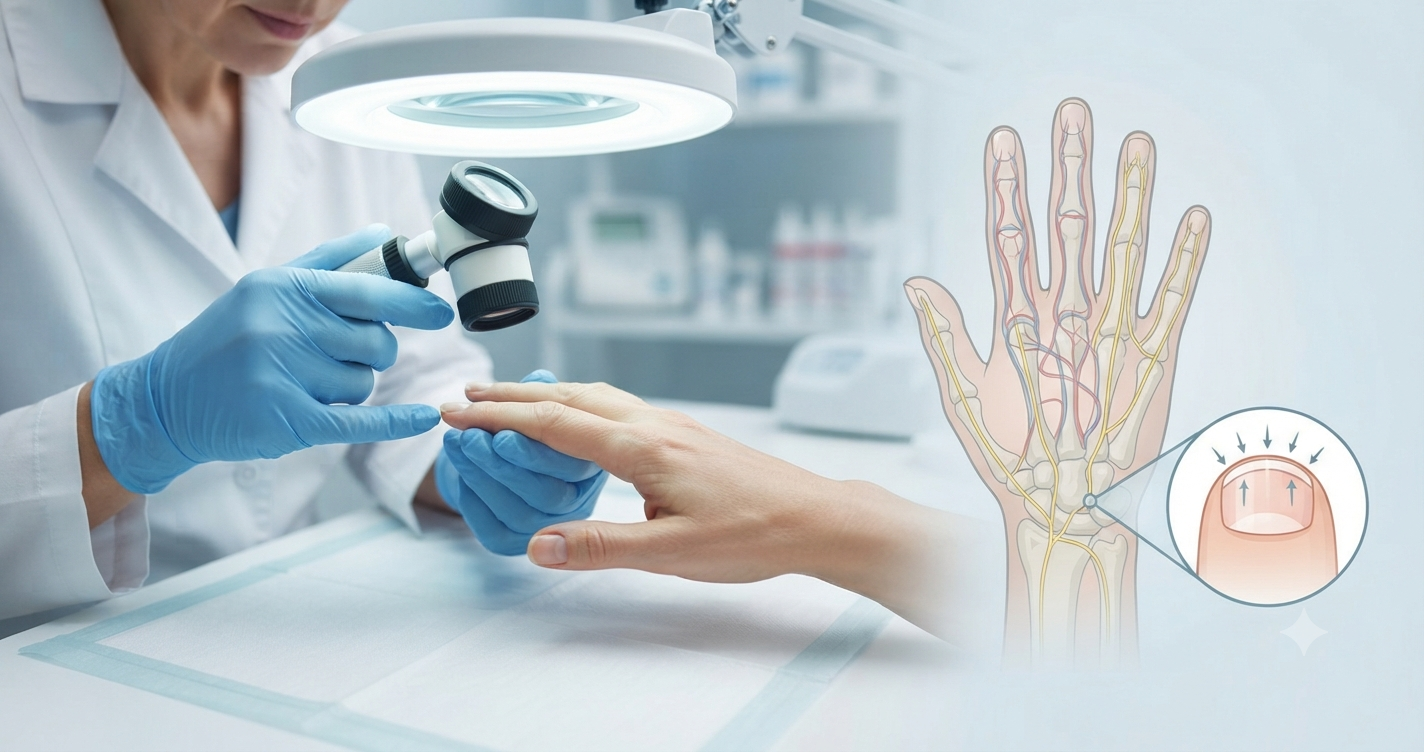
Healthy fingernails are more than a cosmetic feature because they often reflect your overall physical condition. Doctors and researchers have long rec
Healthy fingernails are more than a cosmetic feature because they often reflect your overall physical condition. Doctors and researchers have long recognized that nail color, shape, texture, and growth patterns may reveal important clues about nutritional deficiencies, circulation problems, chronic diseases, or infections. Understanding what fingernails tell about your health helps people recognize early warning signs before more serious symptoms develop. While nail changes are not always linked to illness, persistent abnormalities deserve medical attention. Paying close attention to your nails can support earlier diagnosis and improve long-term health outcomes.
What Fingernails Tell About Your Health and Why They are Important
Your fingernails grow from living tissue beneath the cuticle. As new cells develop, older ones harden with keratin, creating the nail plate. Because nail growth depends on healthy blood circulation and adequate nutrients, any disruption in the body may appear in the nails. Healthcare professionals often examine fingernails during routine physical assessments because they can provide valuable diagnostic clues. According to dermatology research, nail abnormalities sometimes develop months before other symptoms become noticeable, making them an important indicator of overall wellness.
How Healthy Fingernails Normally Look
Normal nails are smooth, slightly curved, and have a consistent pink color with pale half-moons near the base. They grow steadily and remain free from deep ridges, unusual discoloration, or separation from the nail bed. Healthy cuticles protect the nail matrix from bacteria and fungi while maintaining proper growth. Although aging naturally causes minor vertical ridges, significant changes in thickness, shape, or color should not be ignored. Maintaining hydration, balanced nutrition, and proper nail hygiene supports normal nail appearance throughout adulthood.
10 Warning Signs of Your Fingernails
- Yellow nails may indicate fungal infections, diabetes, or chronic respiratory conditions.
- White spots usually result from minor nail trauma rather than calcium deficiency.
- Spoon-shaped nails can suggest iron deficiency anemia.
- Clubbed fingertips may signal lung or heart disease.
- Deep horizontal grooves often appear after severe illness or physical stress.
- Blue nails may reflect reduced oxygen levels in the bloodstream.
- Dark streaks require prompt medical evaluation to exclude melanoma.
- Brittle nails can develop from thyroid disorders or nutritional deficiencies.
- Pitted nails commonly occur with psoriasis and autoimmune diseases.
- Nails separating from the nail bed may result from thyroid disease or fungal infection.
What Fingernails Tell About Your Health Through Nail Color Changes
Changes in nail color often provide some of the earliest visible signs of internal health problems. Pale nails may indicate anemia, liver disease, or poor circulation. Yellow discoloration frequently develops because of fungal infections, smoking, or chronic lung conditions. Bluish nails can suggest insufficient oxygen delivery, which sometimes occurs with heart or respiratory diseases. Dark brown or black streaks deserve immediate medical evaluation because they may indicate subungual melanoma. Persistent color changes should always be assessed alongside other symptoms rather than considered independently.
Changes in Nail Shape May Reflect Underlying Medical Conditions
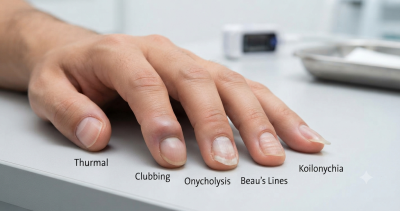
The shape of your fingernails can provide valuable information about chronic illnesses. Clubbing occurs when fingertips enlarge and nails curve downward, often associated with lung disease, inflammatory bowel disease, or congenital heart disorders. Spoon nails, medically known as koilonychia, develop a shallow depression capable of holding a drop of water. Researchers frequently associate this condition with iron deficiency anemia or certain metabolic disorders. Recognizing unusual nail shapes early may encourage timely laboratory testing and appropriate medical treatment.
Lifestyle Habits That Support Stronger Fingernails
- Eat protein-rich foods for healthy keratin production.
- Consume iron, zinc, and biotin through balanced nutrition.
- Stay hydrated to prevent nail brittleness.
- Wear protective gloves during household cleaning.
- Avoid excessive use of harsh nail polish removers.
- Trim nails regularly using clean grooming tools.
- Moisturize cuticles to maintain the protective barrier.
- Manage chronic conditions with regular healthcare visits.
- Limit nail biting to reduce bacterial exposure.
- Protect hands from repeated chemical irritation.
What Fingernails Tell About Your Health When Texture Changes Appear
The texture of your nails can change because of nutritional deficiencies, aging, or systemic illness. Deep ridges, rough surfaces, or pitting often deserve closer evaluation. Vertical ridges become more common with age, while horizontal grooves known as Beau’s lines may develop after severe infections, surgery, or uncontrolled diabetes. Nail pitting frequently accompanies psoriasis and certain autoimmune disorders affecting skin health. Understanding what fingernails tell about your health through texture changes allows individuals to seek medical advice before symptoms worsen.
Nutritional Deficiencies Frequently Affect Nail Health
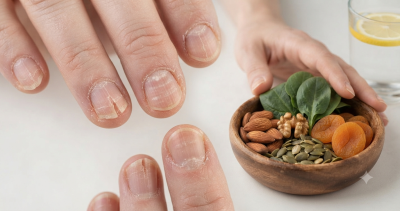
Many vitamins and minerals contribute directly to strong nail development. Iron supports healthy oxygen transport, while zinc assists tissue repair and cell growth. Biotin contributes to keratin production, although research shows supplementation benefits mainly individuals with confirmed deficiencies. Vitamin B12, folate, vitamin D, and omega-3 fatty acids also support healthy nail growth. Poor dietary intake, digestive disorders, or chronic illnesses may reduce nutrient absorption, increasing the likelihood of brittle nails, slow growth, and abnormal appearance.
Medical Conditions Commonly Associated With Abnormal Fingernails
Many chronic diseases produce recognizable nail changes before other symptoms become severe. Thyroid disorders often contribute to brittle or separating nails, while diabetes may increase susceptibility to fungal infections. Kidney disease sometimes causes half-white, half-brown nails, whereas liver disease may produce whitening across the nail plate. Autoimmune disorders, psoriasis, eczema, and peripheral vascular disease can also affect nail appearance. Physicians combine nail examination with medical history, laboratory testing, and physical assessment to determine the underlying cause accurately.
When You Should Schedule a Medical Evaluation
- Sudden dark streaks appear without previous injury.
- Persistent blue discoloration affects several fingernails.
- Nail clubbing develops alongside breathing difficulties.
- Severe pain accompanies nail swelling or redness.
- Thick yellow nails continue despite proper hygiene.
- Nails repeatedly separate from the nail bed.
- Rapid changes occur without obvious explanation.
- Nail abnormalities persist for several months.
- Signs appear together with unexplained fatigue or weight loss.
- Recurrent infections develop around the nail folds.
What Fingernails Tell About Your Health During Regular Self-Examinations
Routine nail observation can become an important part of preventive healthcare. Examine your fingernails every few weeks under natural light, paying attention to changes in color, thickness, texture, and shape. Compare both hands because symmetrical changes often differ from isolated abnormalities. Keep photographs if noticeable changes occur over time since gradual progression may help healthcare providers make accurate diagnoses. Understanding what fingernails tell about your health encourages earlier recognition of potential problems while supporting timely medical consultation and improved health outcomes.
Frequently Asked Questions
Why do fingernails change color even without pain?
Nail color can change because of fungal infections, nutritional deficiencies, circulation problems, medications, aging, or chronic diseases. Pain is not always present during the early stages of these conditions, making regular nail observation important.
What vitamin deficiency causes brittle fingernails?
Brittle fingernails may result from deficiencies in iron, biotin, vitamin B12, folate, vitamin D, or zinc. However, thyroid disorders and frequent exposure to water or chemicals may also contribute to nail weakness.
How often should I examine my fingernails for health changes?
Experts recommend checking your fingernails at least once every month. Regular observation helps identify gradual changes in color, shape, texture, or growth that may require medical evaluation.
Where should I seek medical advice for unusual fingernail changes?
Start by consulting your primary healthcare provider. If necessary, you may be referred to a dermatologist, who specializes in skin, hair, and nail disorders, for additional evaluation and treatment.
Why is early detection of nail abnormalities important?
Early identification allows healthcare providers to diagnose underlying medical conditions sooner. Prompt treatment may improve outcomes for nutritional deficiencies, infections, autoimmune diseases, cardiovascular disorders, and certain types of skin cancer.
COMMENTS