
Hand sanitizer has become an essential part of daily hygiene, especially in homes, workplaces, schools, and healthcare facilities across the USA. Many
Hand sanitizer has become an essential part of daily hygiene, especially in homes, workplaces, schools, and healthcare facilities across the USA. Many people keep bottles in their cars, purses, desks, and travel bags without checking the expiration date. This raises an important question: does hand sanitizer expire? The answer is yes. Like many health-related products, hand sanitizer has a shelf life that affects its effectiveness over time. Understanding expiration dates, storage conditions, and ingredient stability helps consumers make informed decisions and maintain better protection against germs.
Understanding Whether Does Hand Sanitizer Expire Is a Common Concern
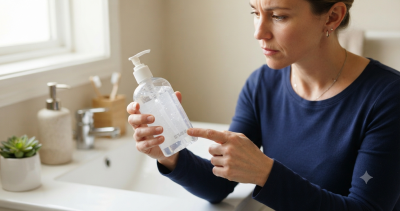
Many consumers assume hand sanitizer lasts forever because it contains alcohol, a well-known disinfectant. However, manufacturers assign expiration dates based on stability testing and ingredient performance. The active ingredients, especially ethyl alcohol or isopropyl alcohol, slowly evaporate over time, reducing the product’s ability to eliminate bacteria and viruses. The expiration date indicates the period during which the manufacturer guarantees the sanitizer will contain the required alcohol concentration for maximum effectiveness. This information is especially valuable for families and businesses throughout the USA that rely on proper hand hygiene.
What Causes Hand Sanitizer to Expire?
Several factors contribute to the gradual decline in sanitizer effectiveness. The active ingredients naturally lose strength when exposed to air, heat, and sunlight. Packaging quality also influences shelf life because damaged caps or cracked containers allow alcohol to evaporate faster. Most alcohol-based sanitizers maintain their quality for approximately two to three years when stored correctly. Once the alcohol concentration falls below 60%, the sanitizer becomes significantly less effective at killing harmful microorganisms, making proper storage just as important as checking expiration dates.
Key Factors That Affect Shelf Life
- Alcohol evaporation through loose or damaged caps.
- Frequent exposure to high temperatures.
- Direct sunlight reducing ingredient stability.
- Improper storage in vehicles during summer months.
- Contamination from dirty dispenser openings.
- Natural chemical breakdown over extended periods.
How Alcohol Concentration Determines Effectiveness
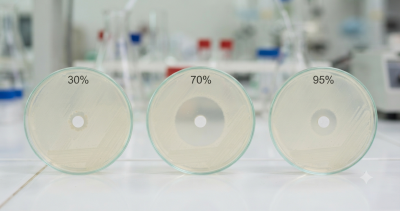
Health experts recommend alcohol-based hand sanitizers containing at least 60% ethanol or 70% isopropyl alcohol for reliable germ protection. This concentration effectively destroys the protective outer layer of many bacteria and viruses. As alcohol slowly evaporates during storage, the percentage declines, reducing disinfecting power. Even if the sanitizer still smells like alcohol or feels normal on your hands, its ability to eliminate pathogens may have decreased considerably. That is why manufacturers include expiration dates supported by laboratory stability testing rather than simple estimates.
Signs That Show a Hand Sanitizer Has Gone Bad
An expired sanitizer may display several noticeable changes. The liquid can become thinner or thicker than normal, depending on ingredient separation. The fragrance may fade or develop an unusual odor, while the color may appear darker or cloudy. Some gel sanitizers separate into layers that no longer mix properly. Although these changes do not always indicate harmful contamination, they often suggest reduced product stability. Consumers should inspect older bottles carefully before continued use, especially if they have been stored under unfavorable conditions.
Does Hand Sanitizer Expire Faster in Hot Environments?
Yes, temperature has a major influence on product longevity. Heat accelerates alcohol evaporation, particularly when bottles remain inside parked vehicles, garages, or outdoor work environments. During hot summers across the USA, interior vehicle temperatures can exceed 120°F within a short time. Such conditions significantly shorten sanitizer shelf life. Storing bottles at room temperature in a cool, dry location helps preserve their disinfecting strength for the full recommended period. Avoid placing containers near windows, heating vents, or direct sunlight whenever possible.
FDA and CDC Guidance on Hand Sanitizer Safety

The U.S. Food and Drug Administration and the Centers for Disease Control and Prevention emphasize using alcohol-based sanitizers that meet recommended alcohol concentrations. They also advise consumers to read labels carefully and avoid products recalled for contamination or harmful ingredients such as methanol. Expired sanitizer is generally not dangerous to touch, but it may not provide reliable protection against germs. Regulatory guidance focuses on maintaining effective hygiene practices through quality products, proper storage, and regular replacement of expired supplies.
Ingredients Found in Alcohol-Based Hand Sanitizers
Most commercial hand sanitizers contain carefully balanced ingredients designed for both effectiveness and skin comfort. Besides alcohol, manufacturers often include moisturizing agents and stabilizers that improve texture and reduce skin dryness after repeated use.
Common Ingredients Include
- Ethyl alcohol or isopropyl alcohol.
- Purified water.
- Glycerin for moisture retention.
- Hydrogen peroxide in specific formulations.
- Carbomer gel thickener.
- Aloe vera extract.
- Fragrance and skin-conditioning ingredients.
Safe Storage Practices for Long-Lasting Performance
Proper storage significantly extends sanitizer quality until its listed expiration date. Keep containers tightly sealed after every use to minimize alcohol evaporation. Store them in a cool, dry cabinet away from excessive humidity and temperature fluctuations. Avoid leaving bottles inside vehicles for extended periods, especially during summer or freezing winter conditions. Businesses, schools, and healthcare facilities should rotate inventory regularly using the oldest stock first. These simple practices preserve sanitizer performance while reducing unnecessary waste and replacement costs.
Does Hand Sanitizer Expire and Should You Keep Using It?
Using expired sanitizer is unlikely to cause direct harm, but relying on it for infection prevention is not recommended. Once the alcohol concentration falls below effective levels, germs may survive despite application. If soap and clean running water are available, handwashing remains the preferred hygiene method because it physically removes dirt, bacteria, and many viruses. When replacing expired sanitizer, choose products from reputable manufacturers that clearly display expiration dates, ingredient lists, and alcohol percentages to ensure dependable protection for everyday use.
Choosing the Right Hand Sanitizer

Selecting an effective sanitizer involves more than choosing a pleasant scent or attractive packaging. Look for products containing at least 60% alcohol, clear labeling, and proper manufacturing information. Moisturizing ingredients like glycerin and aloe vera help reduce skin irritation caused by frequent application. Individuals with sensitive skin may benefit from fragrance-free options. Consumers throughout the USA should purchase sanitizers from trusted retailers to avoid counterfeit products that may contain insufficient active ingredients or unsafe contaminants.
Maintaining Better Hand Hygiene Beyond Sanitizer
Hand sanitizer is only one part of an effective personal hygiene routine. Washing hands with soap and water after using the restroom, before eating, after coughing or sneezing, and after touching high-contact surfaces remains the most reliable practice. Keeping nails clean, avoiding unnecessary face touching, and disinfecting frequently used objects such as phones, keyboards, and doorknobs further reduces the spread of infectious microorganisms. Combining these habits with quality sanitizer provides stronger everyday protection for individuals, families, and workplaces. At Human Health Tips, our mission is to provide accurate, practical, and easy-to-understand health information that empowers people to make informed decisions about their well-being.
FAQs
Why does hand sanitizer lose its effectiveness over time?
Hand sanitizer loses effectiveness because alcohol gradually evaporates, reducing the concentration needed to destroy harmful bacteria and viruses. Heat, sunlight, and poor storage conditions accelerate this process.
What happens if I use expired hand sanitizer to remove germs?
Expired hand sanitizer is generally not harmful to your skin, but it may no longer contain enough alcohol to provide reliable germ protection. Replacing expired products is the safer choice.
How can I tell if my hand sanitizer is no longer good?
Check the expiration date first. Also look for changes in color, smell, consistency, or separation of ingredients. These signs may indicate reduced stability and lower disinfecting performance.
Where should hand sanitizer be stored for the best shelf life?
Store hand sanitizer in a cool, dry place away from direct sunlight, excessive heat, and freezing temperatures. Keep the cap tightly closed after every use to reduce alcohol evaporation.
Why is soap and water still recommended over hand sanitizer?
Soap and water physically remove dirt, grease, and many microorganisms from your hands. Hand sanitizer works best when soap and water are unavailable and your hands are not visibly dirty.
COMMENTS