
Weight loss strategies often include healthier beverage choices alongside balanced nutrition and regular exercise. Among the most popular options, bla
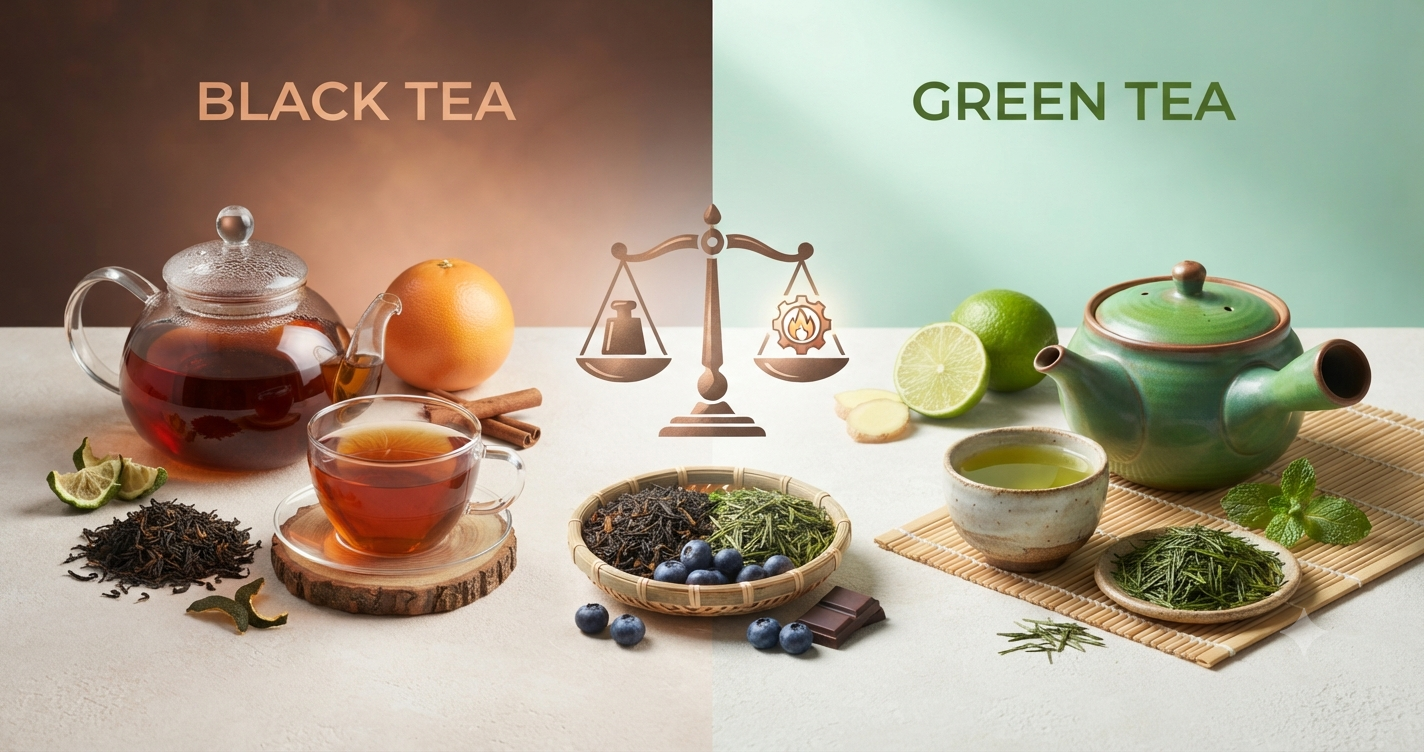
Weight loss strategies often include healthier beverage choices alongside balanced nutrition and regular exercise. Among the most popular options, black tea vs green tea remains a common comparison because both drinks contain beneficial plant compounds that may support metabolism and overall wellness. Research suggests each tea offers unique advantages, including antioxidants, natural caffeine, and polyphenols that can complement a healthy lifestyle. This article guide explores scientific findings, nutritional differences, and practical tips to help readers in Los Angeles, United States, choose the tea that best matches their health goals.
Understanding Black Tea and Green Tea

Both black tea and green tea come from the Camellia sinensis plant. Their primary difference lies in processing methods. Green tea undergoes minimal oxidation, preserving high levels of catechins, while black tea is fully oxidized, creating theaflavins and thearubigins. These compounds influence flavor, color, and potential health effects. Green tea typically has a lighter taste with grassy notes, whereas black tea delivers a stronger, richer flavor. Despite these differences, both beverages contain antioxidants, moderate caffeine, amino acids, and beneficial phytochemicals that may contribute to improved metabolic health when consumed as part of a balanced diet.
Black Tea vs Green Tea for Weight Loss
Scientific research indicates that both teas may support healthy weight management, although they work through slightly different mechanisms. Green tea is widely recognized for its high catechin content, particularly epigallocatechin gallate (EGCG), which may enhance fat oxidation. Black tea contains powerful flavonoids that support gut microbiota and metabolic function. Studies suggest neither beverage alone causes significant weight loss, but replacing sugar-sweetened drinks with unsweetened tea can reduce calorie intake. The overall effectiveness depends on dietary habits, physical activity, sleep quality, and consistent healthy lifestyle choices rather than tea consumption alone.
Key Nutritional Components
- Rich in natural antioxidants
- Contains moderate caffeine for energy
- Provides beneficial polyphenols
- Supports hydration without added sugar
- Includes amino acids like L-theanine
- Low in calories when consumed plain
- Contains plant-based flavonoids
- May support healthy metabolism
- Helps replace high-calorie beverages
- Offers anti-inflammatory compounds
Black Tea and Green Tea Antioxidants and Their Role in Fat Metabolism

Antioxidants help protect cells from oxidative stress caused by unstable molecules called free radicals. Green tea contains abundant catechins, especially EGCG, which researchers associate with improved fat oxidation during exercise. Black tea provides theaflavins and thearubigins that may enhance digestive health and influence beneficial gut bacteria. These antioxidants support overall metabolic wellness rather than directly burning fat. Research published in nutritional journals suggests antioxidant-rich diets may improve long-term health outcomes when combined with regular exercise, whole foods, adequate hydration, and calorie awareness instead of relying on individual foods or beverages.
How Caffeine Supports Energy Expenditure
Caffeine naturally stimulates the central nervous system and temporarily increases alertness. Both teas contain caffeine, although black tea generally provides slightly more than green tea. This mild stimulant may increase energy expenditure and improve exercise performance for some individuals. Combined with tea polyphenols, caffeine may enhance thermogenesis, a process where the body burns calories to produce heat. However, the increase remains relatively modest. People sensitive to caffeine should monitor their intake because excessive consumption may contribute to nervousness, sleep disturbances, or increased heart rate, potentially affecting long-term wellness goals.
Black Tea vs Green Tea: Which Provides Better Metabolic Support?
Researchers continue comparing black tea vs green tea to determine which offers stronger metabolic benefits. Green tea receives greater attention because of its concentrated catechins, while black tea demonstrates promising effects on gut health and digestive efficiency. Several studies indicate green tea may slightly improve fat oxidation during physical activity, whereas black tea may positively influence beneficial intestinal bacteria involved in energy regulation. Current scientific evidence suggests both beverages can complement healthy eating patterns, but neither replaces calorie control, strength training, cardiovascular exercise, or sufficient sleep for sustainable weight management.
Health Benefits Beyond Weight Management
Tea offers benefits extending well beyond body weight. Regular tea consumption may support cardiovascular health through antioxidant activity that promotes healthy blood vessels. Research also links tea intake with improved cognitive function, enhanced focus, reduced oxidative stress, and better immune system support. Green tea’s catechins may contribute to healthy cholesterol levels, while black tea flavonoids may assist heart health. Drinking unsweetened tea also helps reduce added sugar intake, making it an excellent alternative to soft drinks. These broader wellness benefits make tea a valuable addition to a healthy daily routine.
Choosing the Right Tea for Your Lifestyle

The ideal choice depends on your preferences, health goals, and caffeine tolerance. People who enjoy bold flavors often prefer black tea, while those seeking lighter, earthy tastes frequently choose green tea. If you’re looking for a gentle afternoon beverage, green tea may feel more refreshing. Black tea pairs well with breakfast due to higher caffeine content. The best tea is ultimately the one you enjoy drinking consistently without excessive sugar, cream, flavored syrups, or other calorie-dense additions that reduce potential health benefits.
Brewing Tips for Maximum Nutritional Value
Proper brewing helps preserve beneficial compounds while improving flavor. Green tea generally tastes best when steeped in water between 160°F and 180°F for two to three minutes. Boiling water may create bitterness and reduce delicate flavors. Black tea performs well with hotter water around 200°F to 212°F and steeps for three to five minutes. For a healthier snack alongside your tea, pair it with Sugar Free Peanut Butter instead of sugary spreads. Avoid adding excessive sugar because it increases calorie intake without improving nutritional quality. Freshly brewed tea typically contains more beneficial antioxidants than heavily sweetened bottled tea beverages available in convenience stores.
Foods That Complement Tea During Weight Loss
Pairing tea with nutrient-dense foods creates a more balanced eating pattern. Whole grains, lean proteins, healthy fats, fruits, vegetables, and fiber-rich snacks help maintain fullness while supporting stable energy levels. Drinking tea alongside meals containing protein and complex carbohydrates may contribute to better appetite management throughout the day. Avoid relying solely on tea as a meal replacement because your body requires adequate vitamins, minerals, protein, and healthy fats for muscle maintenance and overall metabolic health. Sustainable dietary habits consistently outperform restrictive approaches over time.
Common Myths About Tea and Fat Burning
Many online claims exaggerate the effects of tea on body fat. One widespread myth suggests drinking several cups daily melts fat without dietary changes. Scientific evidence does not support this belief. Another misconception claims green tea always outperforms black tea in every health category. In reality, both contain different antioxidant profiles with unique advantages. Detox tea marketing often promises rapid weight loss, but these products frequently cause temporary water loss rather than meaningful fat reduction. Evidence-based nutrition focuses on consistent lifestyle habits instead of quick fixes or miracle beverages.
Making an Informed Daily Choice Between Black Tea vs Green Tea

Whether you prefer black tea or green tea, consistency matters more than perfection. Unsweetened tea can replace sugary beverages, improve hydration, and contribute beneficial antioxidants to your daily diet. Individuals in Los Angeles, United States, can easily incorporate either option into balanced meal plans alongside regular physical activity and mindful eating habits. At Human Health Tips, we recommend choosing high-quality loose-leaf or minimally processed tea whenever possible. Combined with realistic nutrition goals and long-term healthy habits, either beverage can become part of a sustainable wellness routine.
FAQs
Why is green tea often recommended for weight loss?
Green tea contains catechins, especially EGCG, which research suggests may slightly increase fat oxidation and calorie burning when combined with regular exercise and healthy eating habits.
What is healthier between black tea vs green tea?
Both teas are healthy choices because they contain antioxidants and beneficial plant compounds. Green tea has more catechins, while black tea offers unique flavonoids that support heart and gut health.
How many cups of tea should I drink daily?
Most healthy adults can safely enjoy two to four cups of unsweetened tea each day, depending on individual caffeine sensitivity and healthcare recommendations.
Where should I store tea to preserve its quality?
Store tea leaves in an airtight container away from moisture, sunlight, heat, and strong odors to maintain freshness, flavor, and antioxidant content.
Why should tea be consumed without added sugar?
Unsweetened tea avoids unnecessary calories while preserving its natural health benefits. Replacing sugary drinks with plain tea may support healthier weight management over time.
COMMENTS