
Appendicitis is one of the most common surgical emergencies in the United States. Early recognition can prevent severe complications, including a rupt
Appendicitis is one of the most common surgical emergencies in the United States. Early recognition can prevent severe complications, including a ruptured appendix and life-threatening infections. Understanding the 4 stages of appendicitis helps patients recognize symptoms before they worsen. Every stage has distinct warning signs, making timely medical evaluation essential. While abdominal discomfort may seem harmless initially, delaying treatment significantly increases health risks. This guide explains how appendicitis progresses, what symptoms to watch for, and why prompt diagnosis improves recovery outcomes. The information is based on current medical knowledge and trusted clinical recommendations.
What Is Appendicitis and Why Does It Develop?
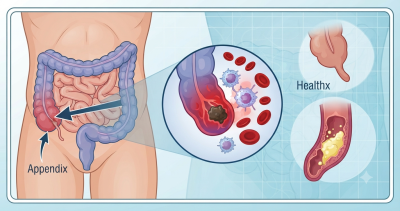
Appendicitis is an inflammation of the appendix, a small finger-shaped pouch attached to the large intestine. Although the appendix has limited digestive function, blockage inside it can trigger bacterial growth and inflammation. Common causes include hardened stool, swollen lymph tissue, intestinal infections, or rarely, tumors. Once the blockage develops, pressure increases, blood circulation decreases, and bacteria multiply rapidly. Without treatment, inflammation continues progressing until the appendix may rupture. Medical professionals recommend immediate evaluation whenever persistent lower right abdominal pain appears because early diagnosis greatly reduces complications and improves treatment success.
Understanding the 4 Stages of Appendicitis and Their Progression
The 4 stages of appendicitis describe how inflammation gradually worsens over time. Recognizing each stage allows healthcare providers to determine urgency and select the most appropriate treatment. The disease rarely improves without medical care, making accurate diagnosis extremely important. Imaging studies, blood tests, and physical examinations help confirm appendicitis before complications occur. Every stage presents different symptoms, yet abdominal pain remains the most recognizable warning sign. Learning these stages empowers individuals to seek emergency care before serious infections or appendix rupture develop.
The Four Stages Explained
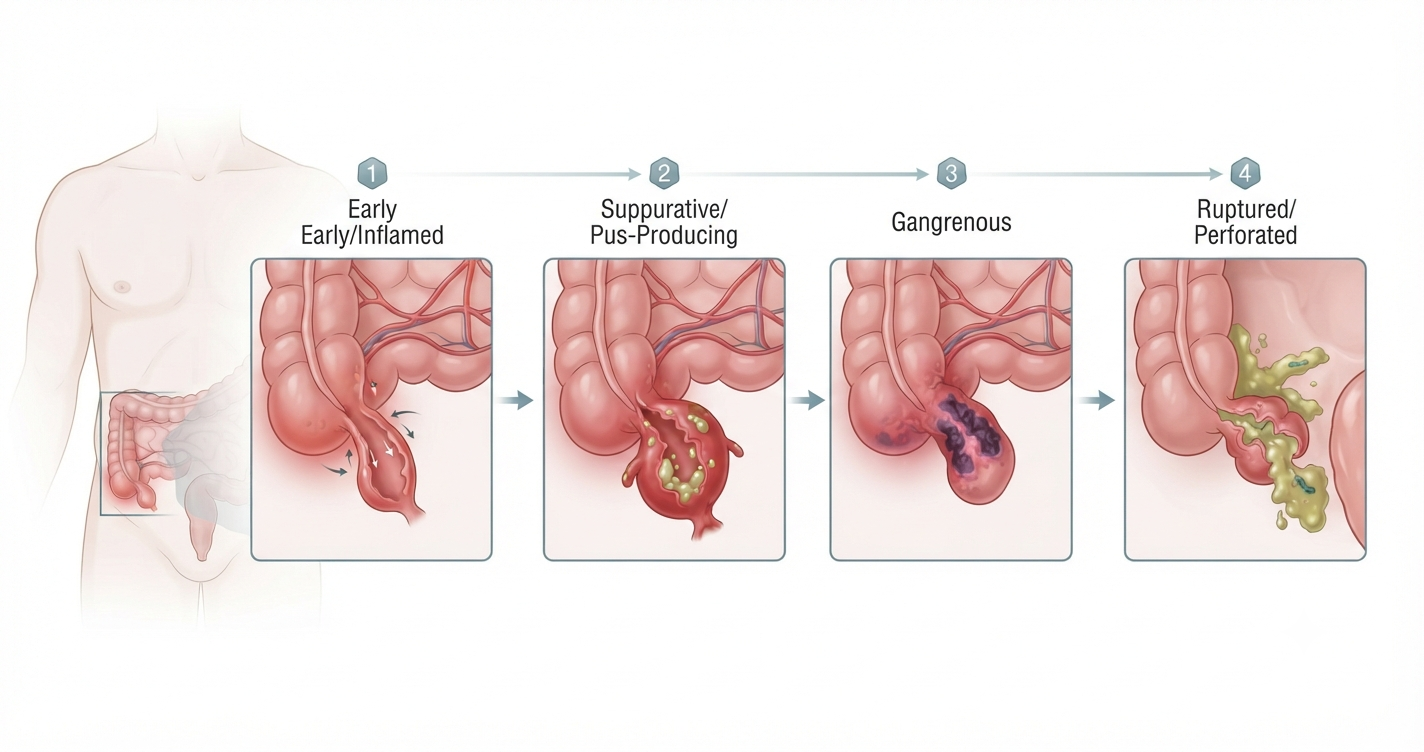
- Stage 1: Early (Catarrhal) Appendicitis – Mild inflammation begins inside the appendix with vague abdominal discomfort.
- Stage 2: Suppurative Appendicitis – Infection worsens as pus develops and pain becomes higher.
- Stage 3: Gangrenous Appendicitis – Blood supply decreases, causing tissue death and increasing rupture risk.
- Stage 4: Perforated Appendicitis – The appendix bursts, spreading bacteria throughout the abdominal cavity.
Stage One: Early Inflammation and Initial Symptoms of Appendicitis
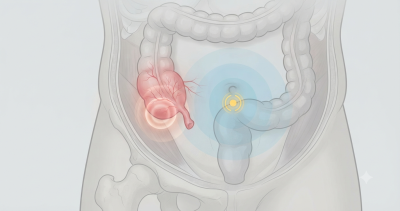
The earliest phase often resembles common digestive problems, making diagnosis challenging. Pain usually begins around the belly button before gradually moving toward the lower right abdomen. Many patients also experience nausea, reduced appetite, mild fever, or stomach discomfort. Symptoms may come and go initially, encouraging people to delay medical attention. However, inflammation continues progressing even if pain temporarily decreases. Healthcare providers recommend evaluation whenever abdominal pain becomes persistent or increasingly localized because early surgical intervention produces the best recovery outcomes and reduces hospitalization time.
Stage Two: Infection Intensifies During the 4 Stages of Appendicitis
During the second stage, infection spreads throughout the appendix and pus accumulates inside the organ. Pain becomes sharper, more constant, and significantly easier to locate in the lower right abdomen. Fever often increases while nausea, vomiting, and abdominal tenderness become more noticeable. Walking, coughing, or sudden movements may worsen discomfort. Blood tests frequently reveal elevated white blood cell counts, indicating infection. At this stage, prompt surgical removal usually prevents further complications and minimizes recovery time compared with delayed emergency treatment.
Stage Three: Gangrenous Changes Increase Serious Health Risks
Without treatment, inflammation eventually damages blood vessels supplying the appendix. Reduced circulation causes tissue death, known medically as gangrene. Patients frequently experience severe abdominal pain, higher fever, rapid heartbeat, and increasing weakness. In some cases, pain briefly decreases because damaged nerves lose sensation. Unfortunately, this temporary relief may signal worsening disease instead of recovery. Gangrenous appendicitis carries a significantly greater risk of rupture, making immediate emergency evaluation absolutely essential. Delayed treatment can result in extensive abdominal infection requiring longer hospitalization and additional surgical care.
Stage Four: Perforated Appendix Becomes a Medical Emergency

The final stage occurs when pressure inside the appendix causes it to rupture. Once perforation happens, bacteria spread throughout the abdominal cavity, leading to peritonitis or abscess formation. Symptoms become severe and may include intense abdominal pain, rigid muscles, chills, high fever, confusion, and difficulty moving comfortably. Patients often require emergency surgery, intravenous antibiotics, and longer hospital stays. Recovery becomes more complex because physicians must treat both the ruptured appendix and widespread infection. Immediate emergency care greatly improves survival and reduces serious long-term complications.
Common Severe Abdominal Pain Warning Signs
Appendicitis symptoms vary between children, adults, and older individuals, yet several warning signs consistently require urgent evaluation. Pain usually becomes progressively worse instead of improving naturally. Digestive symptoms may accompany abdominal discomfort, making diagnosis difficult without professional assessment. Individuals experiencing severe abdominal pain should avoid self-medicating with pain relievers because self medications can mask important symptoms temporarily. Seeking emergency medical care remains the safest decision whenever concerning signs continue worsening over several hours.
Important Symptoms Include
- Lower right abdominal pain
- Pain beginning near the belly button
- Loss of appetite
- Nausea and vomiting
- Mild to high fever
- Abdominal swelling
- Constipation or diarrhea
- Difficulty walking comfortably
- Tenderness when touching the abdomen
How Doctors Diagnose Appendicitis Accurately

Diagnosing appendicitis involves combining physical examination findings with laboratory and imaging studies. Physicians evaluate pain location, abdominal tenderness, fever, and symptom progression before ordering additional tests. Blood work often identifies elevated infection markers, while urine testing helps exclude kidney stones or urinary infections. Ultrasound is commonly used in children and pregnant women, whereas computed tomography scans provide highly accurate images for adults. Early diagnosis allows surgeons to perform minimally invasive procedures, reducing postoperative pain, shortening hospital stays, and supporting faster recovery for most patients.
Treatment Options During the 4 Stages of Appendicitis
Treatment depends largely on how advanced the inflammation has become. The 4 stages of appendicitis help physicians determine whether immediate surgery, antibiotics, or additional infection management is necessary. Laparoscopic appendectomy remains the preferred surgical technique because it uses smaller incisions and promotes quicker healing. Patients treated before rupture usually recover within a few weeks and experience fewer complications. Perforated appendicitis often requires drainage procedures, prolonged antibiotic therapy, and extended hospitalization. Following postoperative instructions carefully supports proper healing and lowers infection risks after surgery.
Protecting Your Health Through Early Recognition

Although appendicitis cannot always be prevented, recognizing symptoms early dramatically improves treatment success. Maintaining regular healthcare visits and understanding abdominal warning signs encourage faster medical evaluation. Persistent pain should never be ignored, especially when accompanied by fever, nausea, or vomiting. Parents should closely observe children because younger patients often struggle to describe their discomfort accurately. Older adults may develop milder symptoms despite severe disease, increasing diagnostic challenges. At Human Health Tips, we encourage evidence-based health education that helps families make informed medical decisions and seek timely emergency care when necessary.
Frequently Asked Questions
Why is appendicitis considered a medical emergency?
Appendicitis becomes an emergency because untreated inflammation can lead to a ruptured appendix, spreading bacteria throughout the abdomen and causing life-threatening infections.
What are the earliest symptoms of appendicitis?
The earliest symptoms often include pain around the belly button, loss of appetite, nausea, mild fever, and discomfort that gradually shifts to the lower right abdomen.
How do doctors confirm appendicitis?
Doctors confirm appendicitis using a combination of physical examinations, blood tests, urine analysis, ultrasound, and CT scans to identify inflammation and rule out other conditions.
Where is appendix pain usually located?
Appendix pain usually starts near the navel before moving to the lower right side of the abdomen, where it becomes sharper and more persistent.
Why is early treatment important for appendicitis?
Early treatment prevents appendix rupture, lowers infection risks, shortens recovery time, and significantly reduces the chance of serious complications or prolonged hospitalization.
COMMENTS