
Retatrutide has become one of the most discussed investigational medications for weight management and metabolic health. Many people in New York and a
Retatrutide has become one of the most discussed investigational medications for weight management and metabolic health. Many people in New York and across the United States are searching for reliable information about retatrutide side effects before considering future treatment options. Since this medication is still undergoing clinical research, understanding its benefits, possible risks, and safe management strategies is essential.
Understanding Retatrutide and Why Side Effects Matter
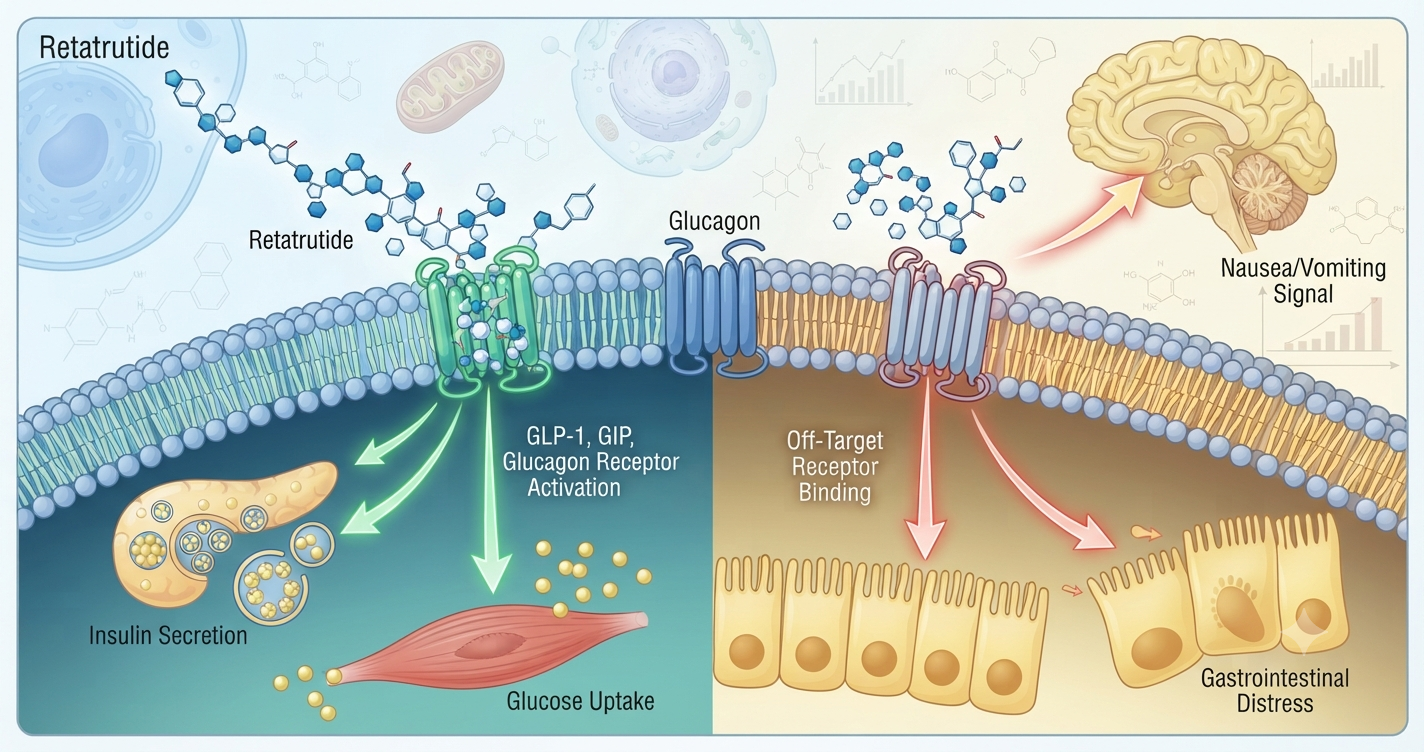
Retatrutide is an investigational medication developed to support weight loss and improve metabolic function. Unlike traditional therapies, it targets three hormone receptors involved in appetite regulation, blood sugar control, and energy metabolism. Researchers believe this triple-action mechanism may produce greater weight reduction than earlier medications. However, stronger biological activity can also increase the likelihood of certain adverse reactions. Learning about potential symptoms allows patients and healthcare providers to monitor treatment effectively, reduce complications, and improve overall treatment success through early intervention and personalized dose adjustments.
Common Retatrutide Side Effects Reported in Medical Studies
Clinical trials have shown that most reported reactions are gastrointestinal and occur during the early weeks of treatment. Many participants experience mild to moderate discomfort that gradually improves as the body adapts. Healthcare professionals usually recommend gradual dose escalation to minimize these effects. Current research indicates that serious complications remain relatively uncommon, although long-term safety continues to be evaluated. Individual responses vary depending on medical history, dosage, lifestyle habits, hydration status, and existing metabolic conditions, making professional monitoring an important part of treatment planning.
Commonly reported symptoms include:
- Nausea during dose increases
- Vomiting after meals
- Diarrhea or loose stools
- Constipation
- Reduced appetite
- Stomach discomfort
- Bloating
- Fatigue
- Mild dizziness
- Temporary headache
How the Digestive System Responds to Treatment
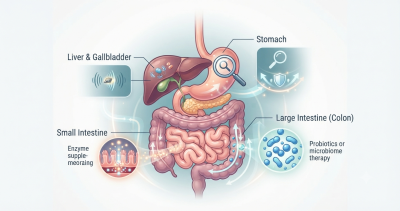
The digestive system is the primary area affected because retatrutide slows stomach emptying while influencing appetite-regulating hormones. Food remains in the stomach longer, helping individuals feel full with smaller meals. Although this mechanism supports weight loss, it may also trigger nausea, indigestion, bloating, and occasional vomiting. Most digestive symptoms become less noticeable after several weeks as the body adapts. Eating smaller meals, avoiding greasy foods, chewing thoroughly, and staying hydrated often help reduce discomfort while maintaining nutritional balance throughout treatment.
Retatrutide Side Effects and Their Impact on Daily Activities
Many individuals can continue their normal routines while taking investigational therapies, although temporary adjustments may be necessary during dose increases. Mild nausea or fatigue may reduce energy for exercise or work during the first few days after each dosage change. Some people notice reduced appetite, making balanced nutrition especially important. Maintaining regular meal schedules, prioritizing protein intake, and drinking adequate water help support energy levels. Most participants in clinical studies reported that symptoms gradually improved without requiring permanent treatment discontinuation.
Factors That Can Increase the Risk of Adverse Reactions
Several personal and medical factors may influence how someone responds to retatrutide. Existing digestive disorders, dehydration, rapid dose escalation, poor eating habits, and certain medications may increase the likelihood of uncomfortable symptoms. Older adults and individuals with multiple chronic conditions may require closer medical supervision during treatment. The best lifestyle also plays an important role. Balanced nutrition, adequate sleep, stress management, and regular physical activity contribute to better tolerance while supporting overall metabolic health and healthy weight management goals.
Safe Ways to Reduce Gastrointestinal Discomfort
Managing digestive symptoms often requires simple lifestyle adjustments combined with medical guidance. Eating slowly allows the digestive system to process meals more comfortably, while smaller portions reduce stomach pressure. Drinking fluids between meals instead of during large meals may decrease feelings of fullness and nausea. Avoiding fried foods, spicy meals, excessive alcohol, and sugary beverages can further minimize irritation. Healthcare providers may temporarily adjust dosage schedules if symptoms become persistent, allowing the body additional time to adapt before increasing treatment intensity.
Monitoring Your Health During Treatment

Regular medical follow-up remains one of the most effective ways to ensure safe treatment. Physicians may monitor weight changes, blood glucose, blood pressure, kidney function, hydration, and overall nutritional status throughout therapy. Patients should maintain open communication about new or worsening symptoms rather than attempting self-treatment. Recording daily symptoms, meal patterns, and medication timing can help healthcare providers identify trends and recommend appropriate adjustments. Continuous monitoring improves both treatment safety and long-term effectiveness while reducing unnecessary complications.
Nutrition Strategies That Support Better Tolerance
Nutrition plays a significant role in improving comfort during treatment. A balanced eating plan emphasizing lean protein, vegetables, whole grains, healthy fats, and fiber supports digestive health while preserving muscle mass during weight loss. Smaller, more frequent meals often feel easier to tolerate than large portions. Drinking sufficient water throughout the day helps prevent dehydration caused by vomiting or diarrhea. Limiting processed foods and high-fat meals may further reduce digestive discomfort while supporting stable blood sugar and improved metabolic function.
When Medical Attention Should Never Be Delayed
Although most reactions are manageable, certain symptoms require immediate medical evaluation. Severe abdominal pain, persistent vomiting, signs of dehydration, fainting, difficulty breathing, allergic reactions, or symptoms of pancreatitis should never be ignored. Individuals experiencing significant weakness or inability to consume fluids should contact healthcare professionals promptly. Early medical assessment helps prevent complications and ensures appropriate treatment. Since retatrutide remains under clinical investigation, reporting unexpected reactions also contributes valuable information to ongoing safety research and future prescribing recommendations.
Research Updates on Retatrutide Side Effects and Long-Term Safety

Current clinical trials continue evaluating the long-term safety profile of retatrutide across diverse patient populations. Early research demonstrates promising weight reduction and improvements in metabolic markers, including blood sugar control and cardiovascular risk factors. Most reported adverse events remain gastrointestinal and generally decrease over time with careful dose escalation. Researchers continue studying rare complications, optimal dosing strategies, and treatment duration to better understand long-term outcomes. Future regulatory approval will depend on continued evidence confirming both effectiveness and acceptable safety standards.
Frequently Asked Questions
Why do retatrutide users often experience nausea?
Nausea occurs because retatrutide slows stomach emptying and affects appetite-regulating hormones. These changes help reduce food intake but may temporarily increase digestive discomfort until the body gradually adapts.
What foods help reduce stomach discomfort during treatment?
Small meals containing lean protein, vegetables, whole grains, and low-fat foods are generally easier to digest. Drinking enough water and avoiding greasy or spicy meals may also reduce symptoms.
How long do most side effects usually last?
Many mild symptoms appear during the first few weeks or after dose increases. Clinical research suggests they often improve gradually as treatment continues under proper medical supervision.
Where should patients report unusual or severe symptoms?
Patients should immediately contact their prescribing healthcare provider or seek emergency medical care if they develop severe abdominal pain, persistent vomiting, allergic reactions, or signs of dehydration.
Why is regular medical monitoring important during therapy?
Routine monitoring helps healthcare providers evaluate treatment progress, identify adverse reactions early, adjust dosages safely, and ensure patients maintain healthy nutrition, hydration, and overall metabolic health throughout therapy.
COMMENTS