
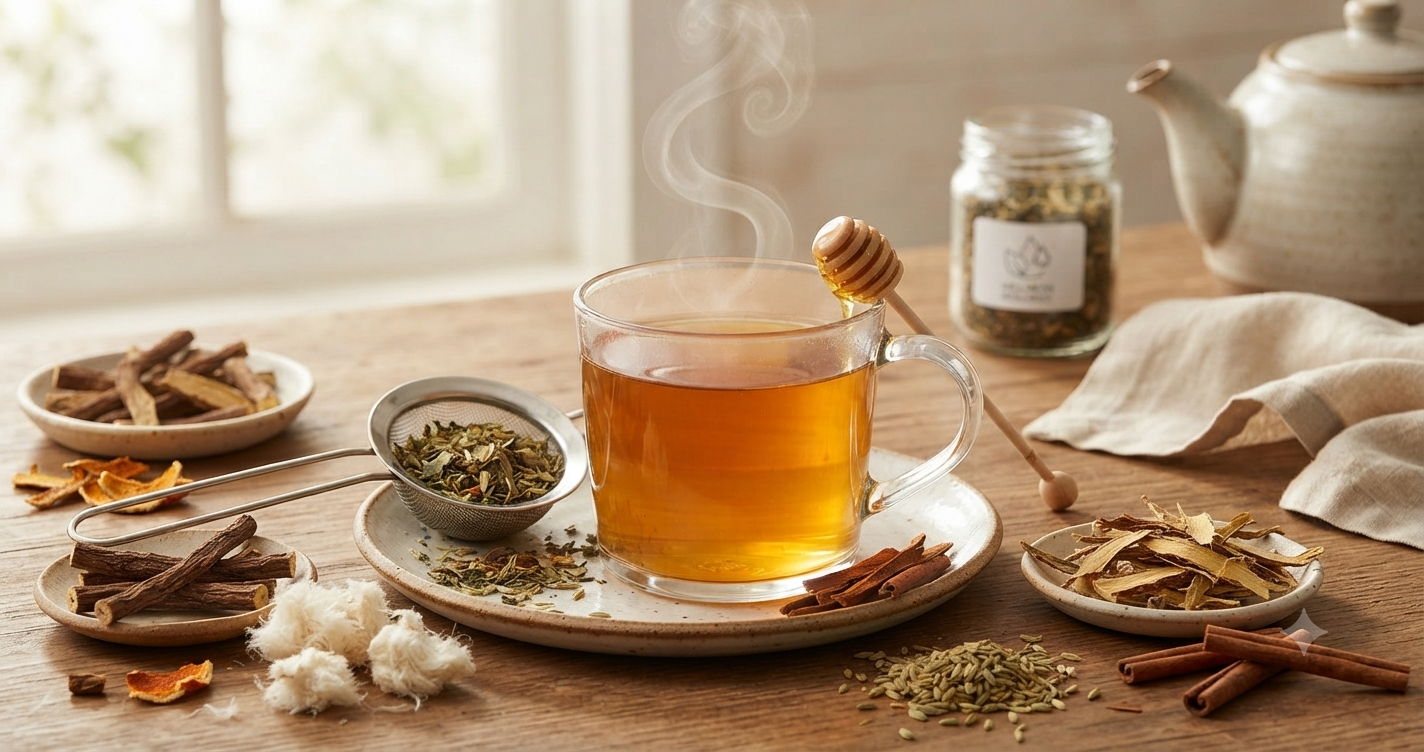
A scratchy throat can ruin your whole day fast. Many people search for gentle, natural relief instead of reaching for medicine right away. That is exa
A scratchy throat can ruin your whole day fast. Many people search for gentle, natural relief instead of reaching for medicine right away. That is exactly where throat coat tea earns its reputation. This herbal blend has been trusted for generations to soothe irritation, calm coughing, and support overall wellness. At Human Health Tips, we believe simple remedies rooted in nature often work best. This article breaks down what makes this tea special, how it works inside your body, and why it remains a go-to choice across the United States.
What Is Throat Coat Tea?
This herbal beverage is a caffeine-free blend made mostly from slippery elm bark, licorice root, and marshmallow root. These ingredients combine to create a naturally soothing drink for irritated throats. Unlike regular black or green tea, this blend contains no caffeine, making it safe for evening use. It has become popular among singers, teachers, and anyone who talks for long hours daily. Its smooth, slightly sweet flavor also makes it easy to enjoy without added sugar or honey, though many people still add a touch for extra comfort.
Key Ingredients Inside Throat Coat Tea
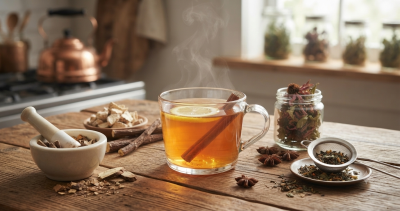
Understanding the ingredient list helps explain why this remedy performs so well for throat discomfort. Each herb plays a specific role, working together rather than alone. Slippery elm forms a mucilage layer that physically coats the throat lining. Licorice root adds anti-inflammatory compounds that reduce swelling and irritation. Marshmallow root contributes additional soothing polysaccharides similar to slippery elm. Some blends also include cinnamon, orange peel, or peppermint for flavor balance. This thoughtful combination is why herbalists continue recommending this specific formula over single-herb teas.
Common Herbs Found in This Blend
- Slippery elm bark: creates a coating gel that protects irritated tissue
- Licorice root: calms inflammation and adds natural sweetness
- Marshmallow root: soothes dryness and supports throat comfort
- Fennel seed: aids digestion and adds a mild, pleasant taste
- Orange peel or cinnamon: improves flavor.
How Throat Coat Tea Works for Sore Throats
The science behind this remedy is simpler than most people expect. Slippery elm and marshmallow root both contain mucilage, a gel-like substance that forms when mixed with water. Once swallowed, this gel coats the throat’s mucous membranes, creating a protective barrier against further irritation. That coating reduces the urge to cough and eases the raw, scratchy feeling associated with colds. Licorice root works differently, targeting inflammation at a cellular level. While many people also enjoy detox drinks tea as part of a healthy wellness routine, throat-coating herbal blends serve a different purpose by focusing on soothing irritation. Together, these mechanisms explain why the tea offers noticeable relief within minutes rather than hours.
The Science Behind Slippery Elm and Licorice Root
- Mucilage forms a temporary protective film over inflamed tissue
- Licorice contains glycyrrhizin, linked to anti-inflammatory activity
- Marshmallow root polysaccharides help retain moisture in dry throats
- Warm liquid itself relaxes throat muscles and loosens mucus
Top Health Benefits of Drinking This Herbal Tea
Beyond soothing sore throats, this blend offers several supporting health benefits. Many people drink it during cold and flu season to ease coughing fits. Others use it to calm irritation from allergies, dry air, or overuse of the voice. The warm liquid alone helps loosen thick mucus, making it easier to clear the throat naturally. Because it is caffeine-free, it also works well as a calming bedtime drink. Some research suggests licorice root may support digestive comfort too, giving this tea benefits that reach beyond the throat alone.
Benefits for Cold and Flu Season
- Eases persistent coughing and throat tickling
- Reduces throat dryness caused by mouth breathing
- Supports better sleep when illness disrupts breathing
- Provides gentle hydration alongside herbal support
- Offers a caffeine-free alternative to standard remedies
How to Prepare and Drink It Properly
Preparation is straightforward and requires no special equipment at home. Steep one tea bag in freshly boiled water for ten to fifteen minutes. Longer steeping allows more mucilage to release, increasing the soothing effect significantly. Cover the cup while steeping to trap beneficial steam and aroma. Add honey or lemon if you prefer extra sweetness or vitamin C. Drink it slowly, in small sips rather than gulping it. Most adults can safely enjoy two to three cups daily during periods of throat discomfort or seasonal illness.
Who Should Avoid This Herbal Remedy

Although generally gentle, this tea is not suitable for everyone without caution. Pregnant women should consult a doctor before regular licorice root consumption. People with high blood pressure may need to monitor intake carefully as well. Licorice root can occasionally affect blood pressure and potassium levels with heavy use. Children under a certain age should only drink it under medical guidance. Anyone taking prescription medications should check for possible herb interactions first. As with any herbal remedy, moderation and professional advice remain the safest approach overall.
Key Takeaways
Choosing a gentle, plant-based option for throat discomfort makes sense for many households. This tea combines slippery elm, licorice, and marshmallow root into one effective, comforting blend. It works by coating irritated tissue while reducing inflammation from the inside out. While many people compare black tea vs green tea for overall wellness, herbal throat tea offers unique soothing properties that specifically target throat irritation. Regular users often report faster relief from coughing and dryness. It fits easily into daily routines, especially during colder months across the United States. For anyone seeking a research-supported, time-tested herbal remedy, this option deserves a spot in the kitchen cabinet.
Frequently Asked Questions
Why does throat coat tea specifically help with sore throats?
It contains mucilage-rich herbs like slippery elm and marshmallow root. These herbs form a soothing coating over irritated throat tissue. This reduces friction and calms the urge to cough repeatedly.
What ingredients make throat coat tea herbal blend effective?
The ingredients are slippery elm bark, licorice root, and marshmallow root. Each herb contributes soothing, anti-inflammatory, or mucilage-forming properties. Together, they create a balanced remedy for throat irritation.
How often can someone safely drink throat coat tea daily?
Most healthy adults can enjoy two to three cups per day. Drinking it during illness or seasonal allergy flare-ups is common practice. Those with health conditions should ask a doctor first.
Where can people typically purchase throat coat herbal tea?
It is widely available at pharmacies, grocery stores, and health food shops. Online retailers also stock various brands across the United States. Checking ingredient labels helps buyers choose the right blend.
COMMENTS