

Seeing a faint positive pregnancy test can bring a mix of hope and worry. Many women wonder if a light line still counts as pregnant. The good news is
Seeing a faint positive pregnancy test can bring a mix of hope and worry. Many women wonder if a light line still counts as pregnant. The good news is that most faint lines do mean pregnancy. Your body produces a hormone called hCG once an embryo implants. Even small amounts can trigger a test line. This article explains why lines vary in darkness. It also covers how to confirm your result with certainty. We want you to feel informed, not anxious, about every step of this process.
Understanding a Faint Positive Pregnancy Test Result
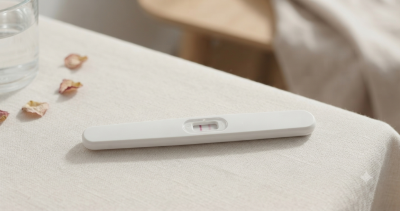
A faint positive pregnancy test usually means the hCG hormone is present. This hormone rises quickly during early pregnancy. Test strips detect even tiny hormone traces using antibody strips. A faint line simply reflects a lower hormone concentration at that moment. Timing plays a large role in how visible the line appears. Testing very early, before your missed period, often produces lighter results. As pregnancy progresses, hCG levels typically double every two to three days. This means a faint line today may turn darker within a few days. Most researchers agree that any visible line indicates a positive result, regardless of shade or thickness.
The Biology Behind Line Intensity
Pregnancy tests work through a chemical reaction between antibodies and hCG molecules. Essentially, the darkness of a line depends on the hormone concentration in urine. As higher hCG levels bind more antibodies, they create a bolder colored line. However, lower concentrations still trigger a reaction, resulting in a fainter line. Therefore, a faint positive pregnancy test is still scientifically valid. In fact, laboratory studies confirm that test strips are qualitative, not quantitative. In other words, they detect the presence of the hormone, not its exact amount. For this reason, blood tests remain the gold standard for measuring precise hCG levels when greater clarity is needed.
Common Reasons for a Faint Positive Pregnancy Test
Several everyday factors can affect how a pregnancy test line appears. Understanding these reasons helps reduce unnecessary worry after testing. Some causes relate to timing, while others involve hydration or test quality. You may also wonder, do pregnancy tests expire, as using an expired test can affect the accuracy and clarity of the result. Below are the most common explanations researchers and doctors point to most often.
Testing Too Soon After Ovulation
Testing early is one of the most common reasons for a faint line. Implantation can occur anywhere from six to twelve days after ovulation. Hormone levels are still very low during this early window. A faint positive pregnancy test at this stage is completely normal. Waiting a few more days often produces a clearer, darker result. Many fertility specialists recommend testing after a missed period for accuracy. This reduces the chance of confusing early hormone levels with a negative result. Patience during this window can prevent unnecessary emotional stress and repeated testing.
Urine Concentration and Hydration Levels
Diluted urine can also weaken how a test line appears. Drinking large amounts of water lowers hormone concentration in urine samples. This makes even a true pregnancy show as a faint line. Doctors often recommend testing with first-morning urine for best accuracy. Morning urine is naturally more concentrated after hours without fluids. A faint positive pregnancy test taken midday may simply reflect dilution. This does not mean the pregnancy is less viable or real. Retesting the next morning usually provides a clearer, more reliable picture.
Differences in Test Brand Sensitivity
Not all pregnancy tests detect hormones at the same threshold. Some brands detect hCG levels as low as ten units. Others require twenty-five units or more to show a line. This difference explains why two tests can give different results. A faint positive pregnancy test on one brand may show clearly on another. Checking the sensitivity level printed on the packaging can help. Choosing a highly sensitive test early on may reduce confusion. Research from reproductive health studies supports using sensitive tests for early detection.
Faint Positive vs Evaporation Line vs Indentation Line
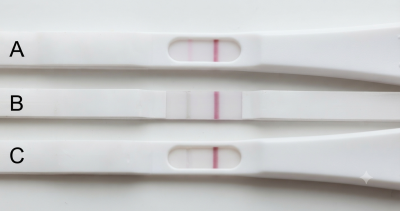
Distinguishing between these three lines prevents unnecessary confusion and worry. A true faint positive pregnancy test appears within the test’s time window. It also shows color, even if very light in shade. An evaporation line appears after the recommended reading time has passed. It usually looks colorless or gray, without any pink or blue tint. An indentation line is a ridge in the test strip itself. It has no color at all, just a visible line shape. Reading results within the timeframe listed in the instructions avoids most confusion between these three outcomes.
How to Confirm Your Results with Confidence
Confirming a faint positive pregnancy test requires a few simple, reliable steps. These steps help remove doubt and provide peace of mind quickly. Retesting, blood work, and professional guidance all play a role here.
When and How to Retest at Home
First, retesting two to three days later is a smart first step. By then, hCG levels should have risen significantly if you are pregnant. As a result, a faint positive pregnancy test often becomes noticeably darker during this window. In addition, use the same brand of test for consistent comparison results. Also, always test with first-morning urine for the most concentrated sample. However, if the line remains equally faint or fades, contact a doctor. In some cases, this pattern may signal an early pregnancy loss or hormone irregularity worth checking.
The Role of a Blood Test for Confirmation
A blood test measures the exact amount of hCG in your body. Unlike home tests, it gives a precise numerical value. Doctors often order two blood tests, taken forty-eight hours apart. This tracks whether hormone levels are rising as expected. A faint positive pregnancy test combined with rising blood hCG confirms viability. Blood tests can also detect pregnancy earlier than most home kits. This makes them useful when home results remain unclear or inconsistent.
Signs You Should Contact a Healthcare Provider

Certain symptoms alongside a faint positive pregnancy test warrant prompt medical attention. These include heavy bleeding, severe cramping, or sudden dizziness. Shoulder pain combined with abdominal pain can signal an ectopic pregnancy. This is a medical emergency requiring immediate care and evaluation. Fever or unusual discharge should also prompt a call to your doctor. Repeated faint lines that never darken over a week deserve evaluation too. Early medical guidance helps rule out complications and supports a healthy pregnancy.
What Happens After a Confirmed Positive Test
Once your faint positive pregnancy test is confirmed, early prenatal steps matter. Scheduling your first doctor’s visit should happen within a few weeks. Starting a prenatal vitamin with folic acid supports early fetal development. Avoiding alcohol, smoking, and certain medications becomes important immediately. Tracking symptoms like nausea, fatigue, or spotting helps your provider monitor progress. Many women also begin researching insurance coverage and maternity care options. These early steps build a strong foundation for a healthy pregnancy journey ahead.
Faint Positive Pregnancy Test and Fertility
For women trying to conceive, a faint positive pregnancy test brings cautious hope. It may indicate implantation has just recently occurred successfully. Fertility specialists note that early hormone levels vary widely between pregnancies. A faint line does not predict how the pregnancy will progress. Some healthy pregnancies start with very light lines that darken normally. Others with a fertility treatment history may want extra hormone monitoring early. Discussing results with a fertility specialist offers reassurance during this sensitive waiting period.
Exploring Fertility Support and Treatment Options
Some women face repeated faint lines or difficulty conceiving over several months. Comparing your results with a photo of a pregnancy test can provide a general visual reference, but it should never replace medical advice or a properly interpreted test result. This may point toward underlying fertility challenges worth investigating further. Options range from lifestyle changes to assisted reproductive technologies like IVF. A fertility specialist can review hormone levels and reproductive health history. They can also recommend personalized treatment plans based on individual needs. Many clinics offer initial consultations to discuss realistic options and expectations. Understanding available paths early can reduce stress during the conception journey.
Choosing the Right Clinic for Pregnancy Confirmation and Care

Selecting a trusted clinic matters for accurate testing and ongoing support. Look for providers offering both blood tests and ultrasound confirmation. A good clinic explains results clearly, including what a faint line means. They should also offer guidance without pressure toward any specific treatment. Human Health Tips recommends clinics with transparent communication and evidence-based practices. Checking reviews and credentials helps ensure quality care throughout your pregnancy journey. The right support team makes early pregnancy feel less overwhelming and more manageable.
Frequently Asked Questions
Why is my pregnancy test line faint?
A faint line usually reflects lower hCG hormone levels at testing time. This often happens with early testing or diluted urine samples. Test sensitivity also varies between brands, affecting line darkness. In most cases, a faint positive pregnancy test still indicates pregnancy.
What should I do after seeing a faint positive pregnancy test?
Retest in two to three days using first-morning urine for accuracy. Consider a blood test if you want a precise hormone measurement. Contact your doctor if symptoms like bleeding or pain occur. Starting prenatal vitamins early is also generally recommended.
How can I tell a faint positive from an evaporation line?
Read results within the timeframe listed in the test instructions. A true positive shows color, even if very light in shade. Comparing timing and color helps distinguish between the two results.
Where can I get a reliable pregnancy confirmation test?
Local pharmacies offer sensitive home tests suitable for early detection. Doctor’s offices and clinics provide blood tests for precise results. Community health centers often offer low-cost or free pregnancy testing. Human Health Tips recommends choosing providers with clear result explanations.
COMMENTS