
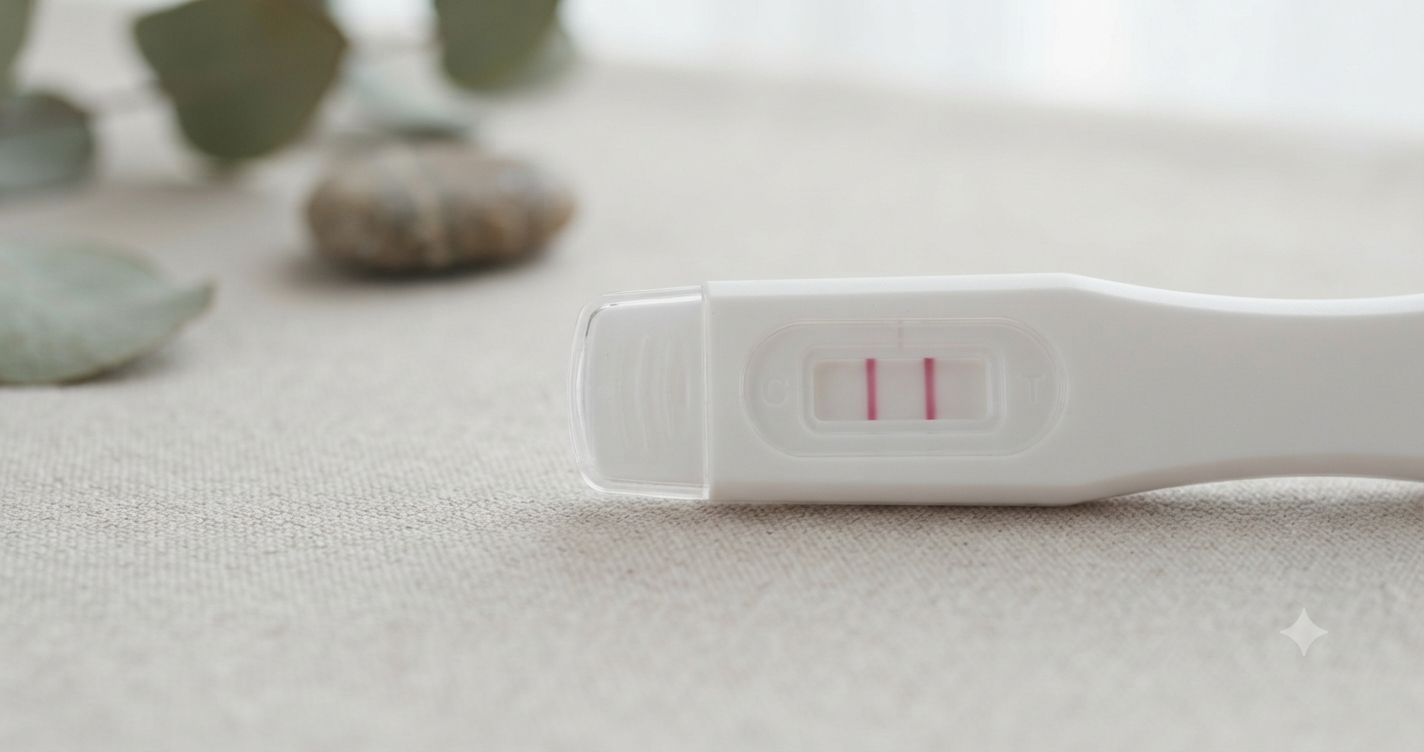
Pregnancy testing can feel overwhelming, especially when results appear unclear. Looking at a photo of a pregnancy test often helps people compare the
Pregnancy testing can feel overwhelming, especially when results appear unclear. Looking at a photo of a pregnancy test often helps people compare their own results, but every test should still be interpreted according to the manufacturer’s instructions. Understanding evaporation lines, faint positives, control lines, and testing timing reduces confusion and unnecessary stress. At Human Health Tips, we believe accurate, research-based health information empowers better decisions. This guide explains how pregnancy tests work, how to interpret different line patterns, and when to seek medical confirmation using evidence-based recommendations from healthcare professionals.
Why a Photo of a Pregnancy Test Can Help You Understand Results
A visual comparison provides reassurance when someone is uncertain about their home pregnancy test. Many people search online because they notice faint lines, uneven colors, or unusual markings. While images can be educational, no online picture should replace the instructions included with your testing kit. Different brands use different dye colors, sensitivity levels, and display formats. Healthcare experts recommend comparing your result only within the recommended reading window. Looking at reliable educational examples instead of random social media images helps reduce misunderstandings and supports more accurate interpretation.
How Home Pregnancy Tests Detect Pregnancy Hormones
Home pregnancy tests detect human chorionic gonadotropin, commonly called hCG, in urine. This hormone begins increasing after a fertilized egg implants into the uterine lining. Most modern tests can detect pregnancy around the first missed period, although highly sensitive tests may identify lower hormone levels slightly earlier. The concentration of hCG rises rapidly during early pregnancy, often doubling every 48 to 72 hours. Factors such as hydration, testing too early, and incorrect usage may affect the visibility of test lines without changing the actual pregnancy status.
Different Pregnancy Test Line Meanings
- One visible control line usually indicates a negative result.
- Two colored lines generally indicate a positive pregnancy result.
- A faint second line may still represent early pregnancy.
- Missing control lines usually mean the test is invalid.
- Colorless streaks often suggest evaporation rather than pregnancy.
- Digital pregnancy tests display written results instead of colored lines.
Understanding a Photo of a Pregnancy Test with Faint Positive Lines
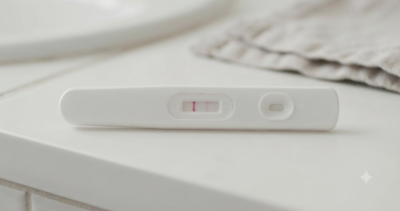
Many people become confused when they see a very light second line. A photo of a pregnancy test showing a faint positive may indicate early pregnancy because hCG levels are still relatively low. However, lighting conditions, camera quality, and image editing can influence how the line appears online. Research suggests repeating the test after 48 hours if the result remains uncertain because hormone levels typically increase during early pregnancy. Using first-morning urine often improves accuracy since it contains a higher concentration of hCG than later urine samples.
Reasons for False Positive and False Negative Results
Although home pregnancy tests are highly accurate when used correctly, false results occasionally occur. Testing before implantation, diluted urine, expired kits, or reading results outside the recommended time frame may causes inaccurate results. Certain fertility medications containing hCG can also produce false-positive results. Chemical pregnancies, though emotionally difficult, may briefly create positive results before hormone levels decline. Understanding these possibilities encourages realistic expectations and emphasizes the importance of confirming uncertain findings with repeat testing or professional medical evaluation.
Best Time to Take a Home Pregnancy Test
Testing at the correct time significantly improves reliability. Most healthcare providers recommend waiting until the first day of a missed menstrual period before using a home pregnancy test. Although early detection products exist, hormone concentrations may still be too low several days before an expected period. First-morning urine usually provides the highest hCG concentration because it is less diluted overnight. Following package instructions carefully, including recommended timing and sample collection methods, reduces the likelihood of inaccurate or confusing results.
Reading a Photo of a Pregnancy Test
Many online discussions focus on evaporation lines because they frequently resemble faint positive results. A photo of a pregnancy test may appear positive when viewed hours after testing, even though the original reading was negative. Evaporation lines usually lack color and develop after the manufacturer’s recommended reading window has passed. Positive lines generally contain visible dye and appear within the specified time limit. Reading the result exactly when instructed remains one of the most effective ways to avoid unnecessary confusion and emotional distress.
Factors That Influence Pregnancy Test Accuracy
Several biological and practical factors affect home pregnancy test. Testing too early remains the most common reason for false-negative results. Drinking large amounts of water before testing dilutes urine and lowers measurable hormone concentrations. Incorrect storage, damaged packaging, expired tests, and improper sample collection also reduce reliability. Medical conditions affecting hormone production are uncommon but may occasionally influence results. Following every instruction carefully improves accuracy and helps users make informed decisions about repeat testing or medical follow-up.
Digital vs Traditional Pregnancy Tests
Digital and traditional pregnancy tests both detect hCG but present results differently. Traditional strip tests display colored lines that require interpretation, while digital devices provide written messages such as “Pregnant” or “Not Pregnant.” Digital options reduce uncertainty for people who struggle to interpret faint lines. However, they generally cost more than standard tests. Clinical studies indicate both formats achieve similar accuracy when used correctly. Personal preference, ease of interpretation, and budget often determine which testing method works best for individual users.
When You Should Contact a Healthcare Provider
A positive home pregnancy test should be followed by scheduling an appointment with a healthcare provider for confirmation and prenatal guidance. Medical professionals may recommend blood tests or ultrasound examinations depending on pregnancy timing and symptoms. Immediate medical attention is important if severe abdominal pain, heavy bleeding, dizziness, or fainting occurs because these symptoms could indicate complications such as an ectopic pregnancy. Early prenatal care supports healthy maternal outcomes while identifying medical concerns before they become more serious. Harbor Women’s Health Portsmouth Offers Comprehensive Pregnancy Care.
Medical Confirmation After Home Pregnancy Testing

Home pregnancy tests provide valuable screening information but do not replace professional diagnosis. Healthcare providers may order quantitative blood hCG testing, which measures the exact hormone level instead of providing only positive or negative results. Ultrasound imaging eventually confirms pregnancy location and fetal development as hormone levels increase. Individuals experiencing repeated uncertain results, irregular menstrual cycles, or fertility treatment should seek personalized medical advice for accurate assessment and appropriate follow-up.
Healthy Steps After Receiving Your Pregnancy Test Result
Whether the result is positive or negative, taking thoughtful next steps supports reproductive health. If pregnancy is confirmed, begin prenatal vitamins containing folic acid, maintain a balanced diet, stay hydrated, and schedule prenatal care promptly. Avoid smoking, excessive alcohol, and recreational drugs while discussing medication safety with your healthcare provider. If the result is negative but menstruation remains delayed, repeat testing after several days or consult a medical professional. Monitoring symptoms and maintaining healthy lifestyle habits contribute to overall reproductive wellness regardless of the outcome.
Frequently Asked Questions
Why can a pregnancy test show a faint second line?
A faint second line often indicates early pregnancy because hCG levels remain low. It can also result from evaporation lines or testing outside the recommended reading time.
What should I do if my pregnancy test result is unclear?
Repeat the test after 48 hours using first-morning urine and carefully follow the manufacturer’s instructions. Contact a healthcare provider if uncertainty continues.
How accurate are home pregnancy tests?
Most home pregnancy tests are more than 99% accurate when used correctly after a missed period and according to the manufacturer’s instructions.
Where should I compare pregnancy test results safely?
Use educational resources from trusted medical organizations or healthcare providers rather than relying solely on social media images or personal opinions.
Why is first-morning urine recommended for pregnancy testing?
First-morning urine usually contains the highest concentration of hCG, improving the likelihood of detecting an early pregnancy accurately.
COMMENTS