
Taking a home pregnancy test is often the first step after a missed period or early pregnancy symptoms. Many people keep an unopened test in a bathroo
Taking a home pregnancy test is often the first step after a missed period or early pregnancy symptoms. Many people keep an unopened test in a bathroom cabinet for months or even years without thinking about its shelf life. A common question is do pregnancy tests expire, and the answer is yes. Every pregnancy test has an expiration date because the chemicals that detect pregnancy hormones gradually lose their effectiveness. Using an expired test may lead to inaccurate results, unnecessary stress, or delayed medical care. This research-based guide from Human Health Tips explains how expiration affects test accuracy, proper storage methods, and the safest way to confirm your results.
Do Pregnancy Tests Expire, and Why Does It Matter?
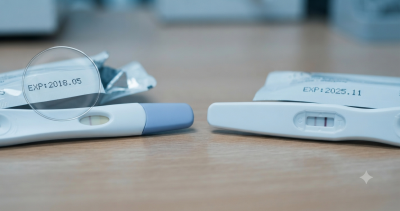
Yes, pregnancy tests expire because they rely on sensitive antibodies that detect human chorionic gonadotropin (hCG), the hormone produced during pregnancy. Over time, these antibodies naturally degrade, making the test less reliable. Manufacturers determine expiration dates through laboratory stability testing to ensure consistent performance until a specific point. According to healthcare experts, using an expired test increases the possibility of false-negative or invalid results. Although some expired tests may still work, there is no guarantee that the chemical reaction will accurately identify hCG levels.
How Do Pregnancy Tests Work?
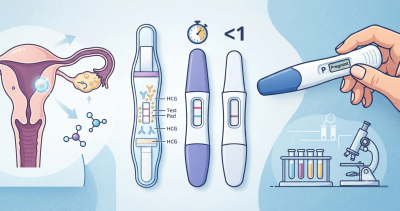
Home pregnancy tests identify hCG in urine using specially designed antibodies placed on the test strip. After implantation, the body begins producing hCG, and hormone levels typically double every 48 to 72 hours during early pregnancy. When urine reaches the testing area, the antibodies react with hCG if it is present. This reaction creates visible lines, symbols, or digital messages. The accuracy depends on proper timing, correct usage, and the quality of the testing chemicals. Fresh, properly stored tests provide the most dependable results.
Key Steps in the Testing Process
- Urine moves across the absorbent testing strip.
- Antibodies detect the hCG pregnancy hormone.
- A colored line or digital result appears.
- The control indicator confirms the test worked correctly.
- Results should be read within the recommended timeframe.
Signs That a Pregnancy Test Has Expired
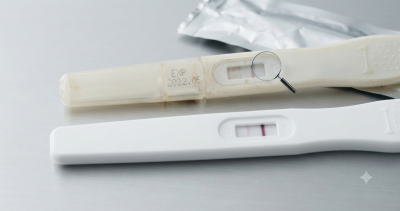
Checking the package before testing is essential because expired products may not function properly. Most manufacturers print the expiration date on the outer box and the sealed foil wrapper. Besides the printed date, damaged packaging, moisture exposure, or faded instructions may indicate reduced reliability. Chemical deterioration is invisible, so appearance alone cannot confirm whether a test remains accurate. If you notice torn packaging or missing protective seals, choose a new test instead of risking an incorrect result.
How to Find the Expiration Date Before Testing
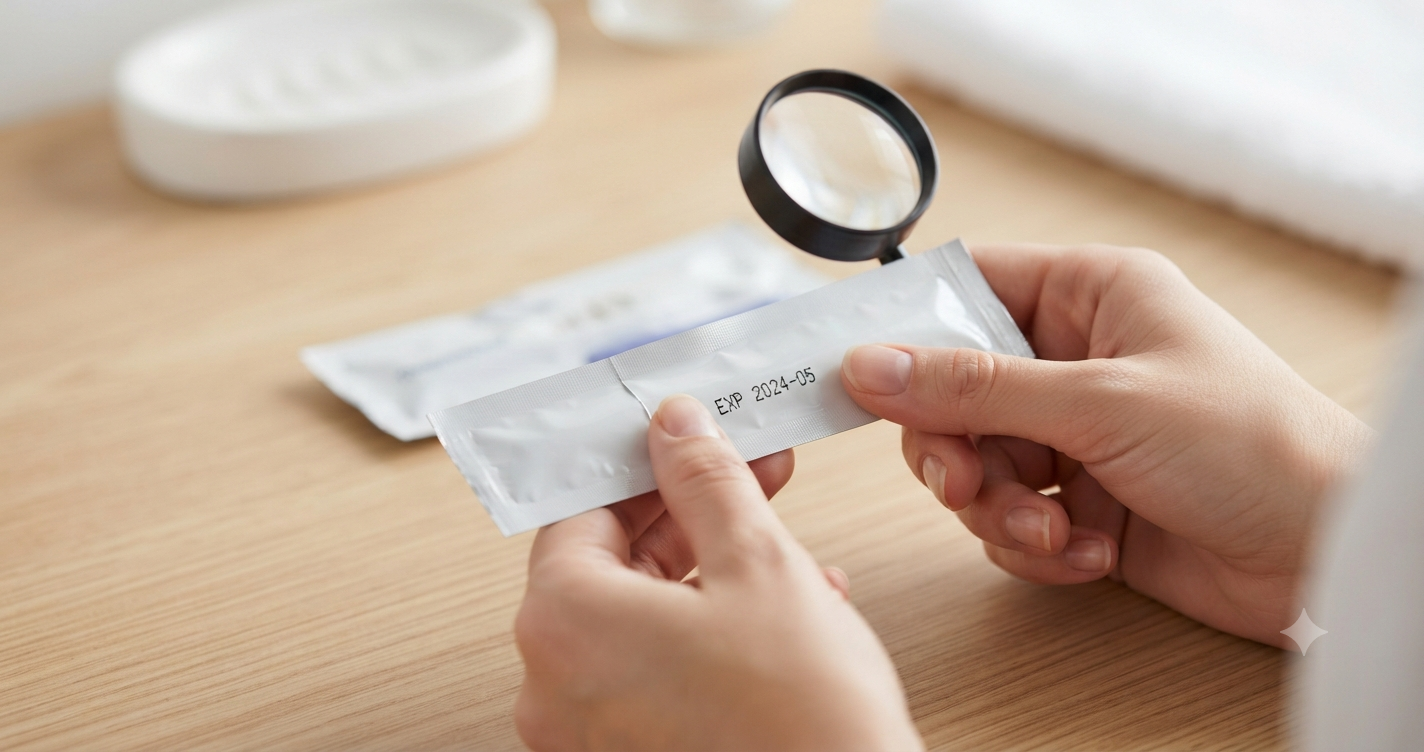
Many people overlook the expiration date when using a home pregnancy test. It is usually printed clearly on the side of the box, the foil wrapper, or near the product barcode. Manufacturers may also include a lot number for product tracking. Before opening the package, inspect it carefully under good lighting. If the date has passed or cannot be read, replace the test. Spending a few extra dollars on a new kit provides greater confidence in the result and helps avoid unnecessary emotional uncertainty.
Do Pregnancy Tests Expire If They Are Still Sealed?
Many people wonder whether do pregnancy tests expire even when they remain unopened in their original packaging. The answer is still yes. Sealed packaging protects the test from moisture, dust, and contamination, but it cannot prevent the natural breakdown of the antibodies over time. Manufacturers establish expiration dates based on extensive laboratory testing under controlled conditions. Once that date passes, the company can no longer guarantee the product’s accuracy. Choosing a current, unexpired test is the safest option for dependable results.
Storage Conditions That Affect Pregnancy Test Accuracy
Proper storage helps maintain the quality of a pregnancy test until its expiration date. Most manufacturers recommend storing tests in a cool, dry location away from direct sunlight, humidity, and extreme temperatures. Bathrooms are often less suitable because steam from showers creates excess moisture. Avoid keeping tests inside vehicles, near heaters, or in freezing environments. High humidity and temperature fluctuations may reduce the stability of the testing chemicals even before the printed expiration date arrives.
Can an Expired Pregnancy Test Give a False Result?
An expired pregnancy test is more likely to produce inaccurate findings because weakened antibodies may fail to detect low hCG concentrations. False-negative results are generally more common than false positives. A person who tests too early using an expired kit may incorrectly believe they are not pregnant. Invalid results, where the control line fails to appear, may also occur. If your symptoms continue despite a negative result, healthcare professionals recommend repeating the test with a new kit after several days.
When Is the Best Time to Take a Pregnancy Test?
Testing at the right time significantly improves accuracy. Most healthcare providers recommend testing after a missed menstrual period because hCG levels are usually high enough for reliable detection. First-morning urine often contains the highest concentration of hCG, especially during early pregnancy. Drinking excessive fluids before testing may dilute urine and reduce hormone concentration. Carefully follow the manufacturer’s instructions regarding timing, sample collection, and result interpretation to maximize the reliability of your home pregnancy test.
Factors Besides Expiration That Influence Test Results
Several factors besides expiration can affect pregnancy test performance. Testing too early remains one of the leading causes of false-negative results. Certain fertility medications containing hCG may also influence results. Incorrect timing, improper storage, diluted urine, and failure to follow instructions may reduce accuracy. Rare medical conditions affecting hormone production can also alter findings. Selecting a high-quality test and carefully reading the instructions minimizes user-related errors and increases confidence in the outcome.
After Receiving Your Test Results
Regardless of the outcome, the next steps are important. A positive home pregnancy test should be confirmed by scheduling an appointment with a healthcare provider for additional evaluation. If the result is negative but your period remains delayed, repeat testing after 48 to 72 hours using a fresh, unexpired kit. Persistent symptoms, irregular bleeding, severe abdominal pain, or unusual discomfort should always be evaluated by a qualified healthcare professional to rule out other medical conditions or pregnancy complications.
Choosing a Reliable Pregnancy Test for Accurate Results
Selecting a trusted pregnancy test can improve confidence in your results. Purchase products from reputable pharmacies or established retailers with high inventory turnover, reducing the chance of buying older stock. Always inspect the packaging for damage and verify the expiration date before purchasing. Digital pregnancy tests, early detection tests, and traditional line tests all follow strict quality standards when used correctly. Reading customer instructions carefully and storing the test properly until use further supports reliable performance. Choosing the best prenatal vitamins can improve maternal health, support fetal growth, and reduce the risk of certain birth defects.
FAQs
Why do pregnancy tests expire?
Pregnancy tests expire because the antibodies used to detect the hCG hormone gradually lose their effectiveness over time. Once these chemicals degrade, the manufacturer can no longer guarantee accurate performance.
What will happen if I use an expired pregnancy test?
An expired test may produce a false-negative result, an invalid reading, or less reliable detection of pregnancy hormones. Replacing it with a new test is the safest choice.
How can I tell whether my pregnancy test is expired?
Check the printed expiration date on the outer box or sealed foil wrapper before opening the package. If the date has passed or is unreadable, do not use the test.
Where should I store a pregnancy test before using it?
Store pregnancy tests in a cool, dry place away from humidity, direct sunlight, and extreme temperatures. Avoid keeping them in bathrooms where moisture levels frequently increase.
Why should I retest after a negative result?
If pregnancy symptoms continue or your period does not begin, hormone levels may still be too low for detection during the first test. Retesting with a fresh, unexpired kit after 48 to 72 hours provides more accurate results.
COMMENTS