

Understanding human attraction involves exploring many different sexual orientations and preferences. What is gynephilia is a common question among pe
Understanding human attraction involves exploring many different sexual orientations and preferences. What is gynephilia is a common question among people seeking accurate psychological and medical information about attraction to femininity. Gynephilia refers to a person’s romantic or sexual attraction toward women or feminine characteristics, regardless of the individual’s own gender identity. This concept is widely discussed in psychology, sexology, and gender studies because it provides a more precise description of attraction than traditional orientation labels in certain contexts. In this article, we provide evidence-based education that helps reduce stigma while encouraging respectful discussions about human sexuality and identity.
Understanding What Is Gynephilia in Psychology

In psychology, gynephilia describes attraction toward women or feminine traits rather than focusing solely on biological sex or gender identity. The term comes from the Greek words gynē, meaning woman, and philia, meaning love or attraction. Researchers often use this terminology in scientific studies because it remains neutral and applies across different gender identities.
Mental health professionals sometimes prefer attraction-based terminology when discussing sexuality because it provides greater clarity in research. Whether someone identifies as heterosexual, bisexual, lesbian, or another sexual orientation, gynephilia simply describes the direction of attraction rather than defining a person’s complete identity. This distinction supports more accurate clinical assessments and inclusive psychological research.
What Is Gynephilia and How Does Attraction Develop?
Human attraction develops through a combination of biological, psychological, environmental, and social influences. Scientists believe that genetics, prenatal hormone exposure, brain development, personal experiences, and cultural environments all contribute to romantic and sexual attraction. No single factor completely explains why one person experiences gynephilic attraction while another does not.
Modern psychological research emphasizes that attraction usually develops naturally rather than through conscious choice. Individual experiences vary greatly, and there is no universal pathway explaining romantic preferences. Researchers continue studying how neurological processes, emotional bonding, and social learning interact throughout adolescence and adulthood to shape patterns of attraction and intimate relationships.
Key Characteristics Associated with Gynephilic Attraction
- Romantic interest toward women or feminine individuals.
- Sexual attraction to feminine physical characteristics.
- Emotional connection with feminine personalities.
- Appreciation for feminine behaviors and expressions.
- Attraction may occur regardless of personal gender identity.
- Experiences differ among individuals.
- Attraction exists on a spectrum rather than a fixed category.
- Personal identity may differ from attraction patterns.
Common Psychological Features and Emotional Experiences
People experiencing gynephilic attraction generally do not exhibit unique psychological symptoms because gynephilia itself is not considered a mental health condition. Instead, individuals experience emotions commonly associated with romantic attraction, including affection, excitement, emotional attachment, admiration, and intimacy. These feelings resemble those found across all healthy romantic relationships.
However, social acceptance, cultural expectations, and personal identity exploration may influence emotional well-being. Individuals questioning their attractions sometimes experience temporary confusion, anxiety, or uncertainty, especially during adolescence. Mental health professionals encourage self-awareness, education, and supportive environments rather than viewing natural attraction as something requiring treatment or correction.
Biological Factors That Influence Romantic Attraction
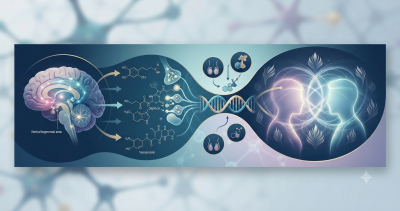
Scientific research suggests that attraction involves multiple biological systems working together. Brain imaging studies indicate that reward pathways become active during romantic attraction, releasing neurotransmitters such as dopamine and oxytocin. Hormones also influence emotional bonding, physical attraction, and relationship formation.
Genetic studies indicate that inherited biological factors may contribute to sexual orientation and attraction patterns, although no single “attraction gene” exists. Researchers agree that attraction results from a complex interaction between genetics, prenatal development, brain structure, and environmental influences. Ongoing neuroscience research continues improving our understanding of how these biological mechanisms shape human relationships.
Social and Cultural Perspectives on Gynephilia
Society significantly influences how people understand and express attraction. Cultural values, family beliefs, education, religion, and media representation shape personal experiences surrounding sexuality. While gynephilia itself describes attraction rather than identity, cultural expectations may affect whether individuals feel comfortable discussing their feelings openly.
In the United States, increasing awareness of gender diversity and sexual orientation has encouraged more inclusive conversations about attraction. Educational institutions, healthcare providers, and psychological organizations increasingly use scientifically accurate terminology to promote respectful communication. Better public understanding helps reduce stereotypes while supporting healthier relationships and improved emotional well-being.
Differences Between Gynephilia, Sexual Orientation, and Gender Identity
Although these concepts are closely related, they describe different aspects of human identity. Sexual orientation refers to the pattern of romantic or sexual attraction. Gender identity describes how individuals personally identify their gender. Gynephilia specifically identifies attraction toward women or feminine characteristics without automatically defining orientation or identity.
For example, a transgender person, cisgender person, nonbinary individual, or gender-diverse person may all experience gynephilic attraction. This distinction makes the term valuable in scientific literature because researchers can discuss attraction independently from gender identity. Understanding these differences improves communication between healthcare professionals, researchers, and patients.
Can Gynephilia Change Throughout Life?

Human attraction remains relatively stable for many individuals, although personal understanding and self-identification sometimes evolve over time. Researchers distinguish between changes in identity labels and actual changes in attraction. Some people discover new aspects of themselves through life experiences, while others simply gain language that better reflects lifelong feelings.
Psychologists emphasize that changes in self-awareness should not be confused with attempts to deliberately alter attraction. Professional organizations generally agree that healthy attraction is a natural aspect of human diversity. Individuals benefit most from supportive environments that encourage self-discovery rather than judgment or unnecessary psychological intervention.
When Professional Guidance May Be Helpful
Although gynephilia is not a disorder, some individuals may seek professional support while exploring identity, relationships, or emotional concerns. Licensed psychologists, counselors, or sex therapists can provide evidence-based guidance in a confidential environment without imposing personal beliefs.
Therapy may benefit individuals experiencing persistent anxiety, relationship difficulties, social stigma, or emotional distress related to identity exploration. Mental health professionals focus on improving coping skills, emotional resilience, communication, and healthy relationship development. Modern therapeutic approaches emphasize acceptance, psychological well-being, and respect for individual experiences rather than attempting to change natural attraction.
Research and Scientific Understanding Today

Contemporary research continues expanding knowledge about attraction through psychology, neuroscience, endocrinology, genetics, and behavioral science. Large population studies demonstrate that human attraction exists along diverse spectrums rather than fitting rigid categories. Scientists increasingly recognize that multiple biological and environmental influences interact throughout development.
Current evidence also highlights the importance of inclusive terminology when conducting research involving diverse populations. Accurate language allows researchers to better understand attraction while reducing bias in scientific studies. As new evidence emerges, healthcare providers continue refining educational resources that promote informed discussions about sexuality, relationships, and mental health.
Healthy Communication and Relationship Awareness
Healthy relationships depend on mutual respect, consent, trust, communication, and emotional support regardless of attraction patterns. Open conversations about expectations, boundaries, and shared values strengthen emotional connections while reducing misunderstandings. Respecting another person’s identity and experiences contributes to long-term relationship satisfaction.
Education also plays an important role in reducing misconceptions surrounding attraction. Learning accurate psychological information encourages empathy and informed decision-making while helping individuals better understand themselves and others. Reliable health education empowers people to build meaningful relationships based on honesty, acceptance, and emotional maturity.
Frequently Asked Questions
Why do psychologists use the term gynephilia?
Psychologists use this term because it specifically describes attraction toward women or femininity without assuming a person’s gender identity or broader sexual orientation.
What is gynephilia compared with heterosexuality?
Gynephilia refers to attraction toward women or feminine characteristics, while heterosexuality describes attraction between people of different genders. The concepts overlap but are not identical.
How do researchers study gynephilic attraction?
Researchers study attraction using psychological assessments, brain imaging, behavioral research, genetics, hormonal studies, and long-term population surveys to understand human sexuality.
Where can someone learn accurate information about attractions?
Reliable information is available from licensed healthcare professionals, peer-reviewed scientific journals, university research centers, and trusted educational health organizations.
Why is understanding attraction important for mental health?
Understanding attraction helps reduce stigma, supports healthy identity development, improves relationships, encourages self-acceptance, and promotes respectful communication across diverse communities.
COMMENTS