
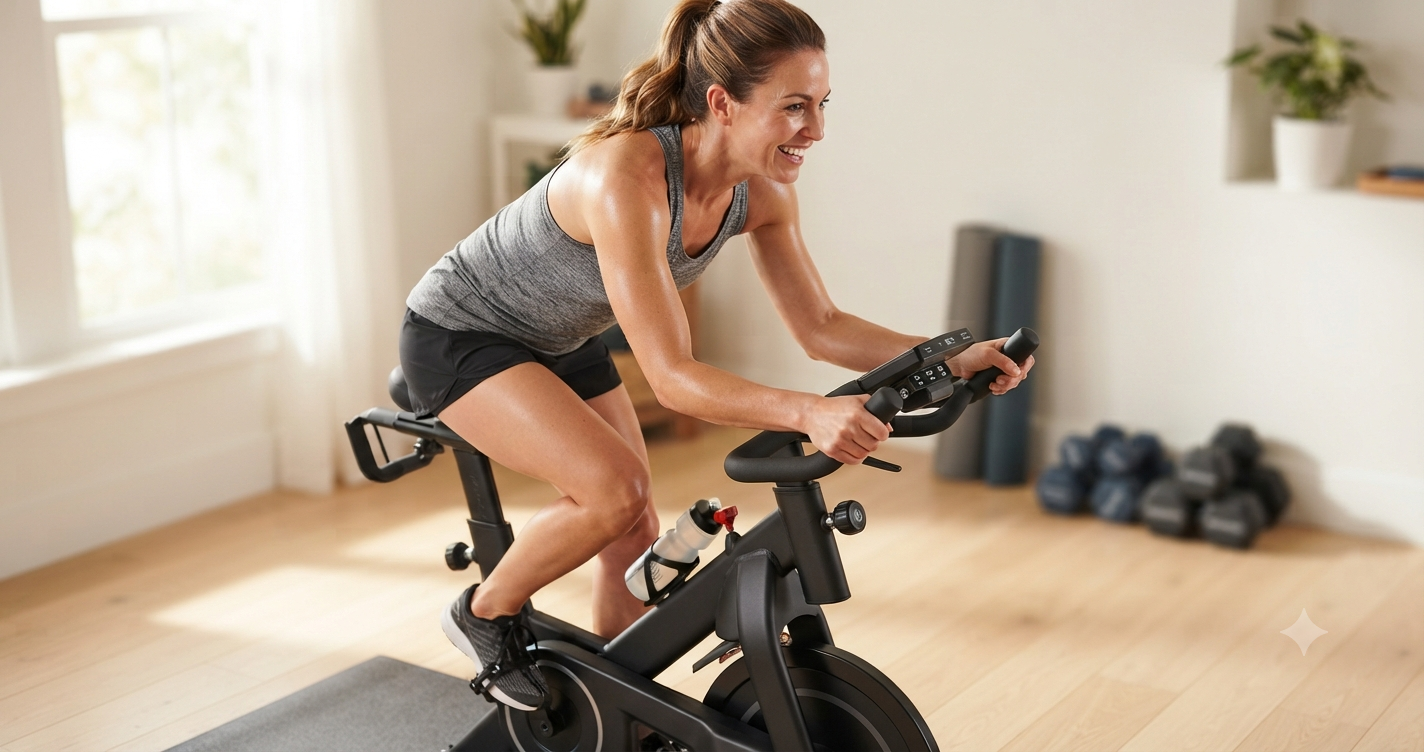
Losing weight does not always require expensive gym memberships or complicated fitness routines. A stationary bike weight loss program offers a beginn
Losing weight does not always require expensive gym memberships or complicated fitness routines. A stationary bike weight loss program offers a beginner-friendly way to burn calories, improve cardiovascular health, and build endurance from the comfort of home. Indoor cycling is gentle on the joints while delivering an effective full-body workoutthat supports consistent fat loss. According to exercise research, combining structured cycling sessions with healthy eating habits and adequate recovery produces better long-term results than relying on exercise alone. This article explains a practical beginner workout plan designed for adults across the United States who want sustainable fitness results.
Why Choose a Stationary Bike Weight Loss Program?
A stationary bike provides a safe and effective cardiovascular workout for people of different fitness levels. Unlike running, cycling places less stress on the knees, hips, and ankles, making it suitable for beginners, older adults, and individuals recovering from minor injuries. Regular cycling increases calorie expenditure, strengthens the heart, improves blood circulation, and supports healthy metabolism. Studies from sports medicine experts also suggest that consistent aerobic exercise helps reduce body fat while preserving lean muscle mass. The controlled indoor environment allows year-round workouts regardless of weather conditions, making it easier to maintain consistency.
Benefits of a Stationary Bike Weight Loss Routine
A structured cycling routine offers much more than calorie burning. Beginners often experience gradual improvements in overall physical and mental health after only a few weeks of consistent training.
Key Benefits
- Burns calories efficiently during moderate and vigorous exercise.
- Improves cardiovascular endurance and lung capacity.
- Supports healthy weight management.
- Builds stronger leg and core muscles.
- Increases stamina for everyday activities.
- Reduces stress through endorphin release.
- Protects joints better than high-impact exercises.
- Encourages long-term workout consistency.
- Enhances balance and lower-body coordination.
- Supports healthy blood sugar regulation.
Understanding Calories Burned During Indoor Cycling
Weight loss occurs when your body burns more calories during cycling. Indoor cycling helps create this calorie deficit through continuous movement and adjustable resistance. A beginner weighing around 155 pounds may burn approximately 250 to 400 calories during a 30-minute moderate workout, while heavier individuals or higher-intensity sessions can burn considerably more. Factors including body weight, workout intensity, cadence, resistance level, and workout duration all influence calorie expenditure. Combining cycling with strength training and balanced nutrition further enhances fat-burning efficiency while helping preserve muscle tissue during weight reduction.
Beginner Stationary Bike Weight Loss Workout Schedule
Consistency matters during the first few weeks. A gradual workout schedule helps your muscles, joints, and cardiovascular system adapt safely.
Week 1–2
Ride for 20–25 minutes at moderate resistance three times weekly.
Week 3–4
Increase rides to 30–35 minutes four times weekly while adding short intervals.
Week 5–6
Cycle 35–45 minutes four to five days weekly with higher resistance segments.
Week 7–8
Alternate endurance rides with interval sessions while including one active recovery ride each week.
This progressive plan reduces injury risk while steadily improving aerobic fitness and calorie burning.
Warm-Up Strategies for Better Performance
Every cycling session should begin with a proper warm-up and end with a gradual cool-down. Spend five to ten minutes pedaling slowly using light resistance to increase blood flow and prepare your muscles for exercise. Dynamic movements before riding improve joint mobility and reduce stiffness. After completing the workout, continue pedaling slowly for several minutes before stretching the calves, quadriceps, hamstrings, hip flexors, and lower back. These recovery habits reduce muscle soreness, improve flexibility, and support better performance during future workouts while lowering the risk of common cycling injuries.
Proper Stationary Bike Weight Loss Setup Improves Results
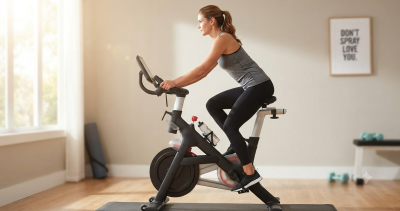
Correct bike positioning helps maximize workout efficiency while preventing unnecessary strain. Adjust the seat height so your knees maintain a slight bend at the bottom of each pedal stroke. Position the handlebars comfortably without forcing excessive forward leaning. Keep your shoulders relaxed, core engaged, and wrists neutral throughout the ride. Your feet should remain securely placed on the pedals with smooth circular movements rather than pushing only downward. Proper posture improves power transfer, reduces lower-back discomfort, and allows longer, more comfortable cycling sessions that contribute to consistent fat loss progress.
Interval Training Accelerates Fat Burning
Interval training alternates periods of higher intensity with active recovery. This approach increases calorie burn during exercise while supporting post-workout oxygen consumption, often called the afterburn effect. Beginners can start with one minute of faster pedaling followed by two minutes of easy recovery repeated several times. As fitness improves, resistance and sprint duration can gradually increase. High-intensity interval training should only be performed two or three times weekly to allow sufficient recovery. Mixing intervals with steady-state cycling creates balanced workouts that improve endurance, cardiovascular fitness, and metabolic efficiency.
Nutrition Tips For Weight Loss Goals
Exercise alone rarely produces optimal weight loss without healthy eating habits. Prioritize lean protein, vegetables, fruits, whole grains, healthy fats, and fiber-rich foods that promote fullness. Drinking enough water before, during, and after cycling supports hydration and physical performance. Consuming protein after workouts assists muscle recovery while reducing excessive hunger later in the day. Avoid relying on sugary beverages or processed snacks that add unnecessary calories. Monitoring portion sizes and maintaining a moderate calorie deficit allows cycling workouts to contribute more effectively toward gradual, sustainable body fat reduction.
Recovery Habits That Improve Long-Term Progress

Recovery is an essential part of every successful fitness plan. Muscles grow stronger during rest rather than during exercise itself. Adults should aim for seven to nine hours of quality sleep each night because sleep influences hormones involved in hunger, recovery, and energy production. Scheduling one or two lighter activity days each week helps prevent overtraining while reducing injury risk. Gentle stretching, walking, foam rolling, and adequate hydration also improve muscle recovery. Tracking workouts and celebrating small improvements helps maintain motivation and encourages long-term adherence to healthy lifestyle changes.
Tracking Progress Beyond the Scale
Body weight tells only part of the story. Beginners should monitor several health indicators to better understand overall progress. Measuring waist circumference, body fat percentage, resting heart rate, workout duration, cycling distance, and resistance improvements provides a clearer picture of fitness gains. Many modern exercise bikes include digital displays showing cadence, calories burned, speed, heart rate, and ride time. Keeping a fitness journal or using a mobile tracking app helps identify patterns, maintain accountability, and reinforce positive habits that contribute to sustainable weight management over time.
Building Healthy Habits for Lifelong Fitness
Successful weight management depends on creating habits that remain sustainable long after the first few months. Schedule workouts at consistent times to establish a daily routine. Choose enjoyable music, podcasts, or virtual cycling classes to stay motivated during longer sessions. Setting realistic monthly goals rather than expecting immediate transformations reduces frustration and improves adherence. Pair regular cycling with strength training, flexibility exercises, balanced nutrition, and adequate recovery to create a complete wellness routine. Small, consistent improvements accumulate into meaningful health benefits that support lifelong physical fitness and overall well-being.
FAQs
Why is a stationary bike effective for weight loss?
A stationary bike burns calories, improves cardiovascular health, increases endurance, and provides a low-impact workout suitable for beginners while supporting consistent fat loss.
What is the best workout duration for beginners?
Most beginners should start with 20 to 30 minutes per session three to four times each week before gradually increasing workout time and intensity.
How many calories can you burn on a stationary bike?
Calorie burn varies depending on body weight, workout intensity, and duration. Most beginners burn between 250 and 500 calories during a moderate 30 to 45-minute session.
Why should beginners include interval training?
Interval training increases calorie expenditure, improves cardiovascular fitness, boosts endurance, and helps break workout plateaus without requiring excessively long exercise sessions.
Where should you place a stationary bike at home?
Place the bike on a stable, level surface with adequate ventilation, enough surrounding space for safe movement, and easy access to water and workout accessories.
COMMENTS