
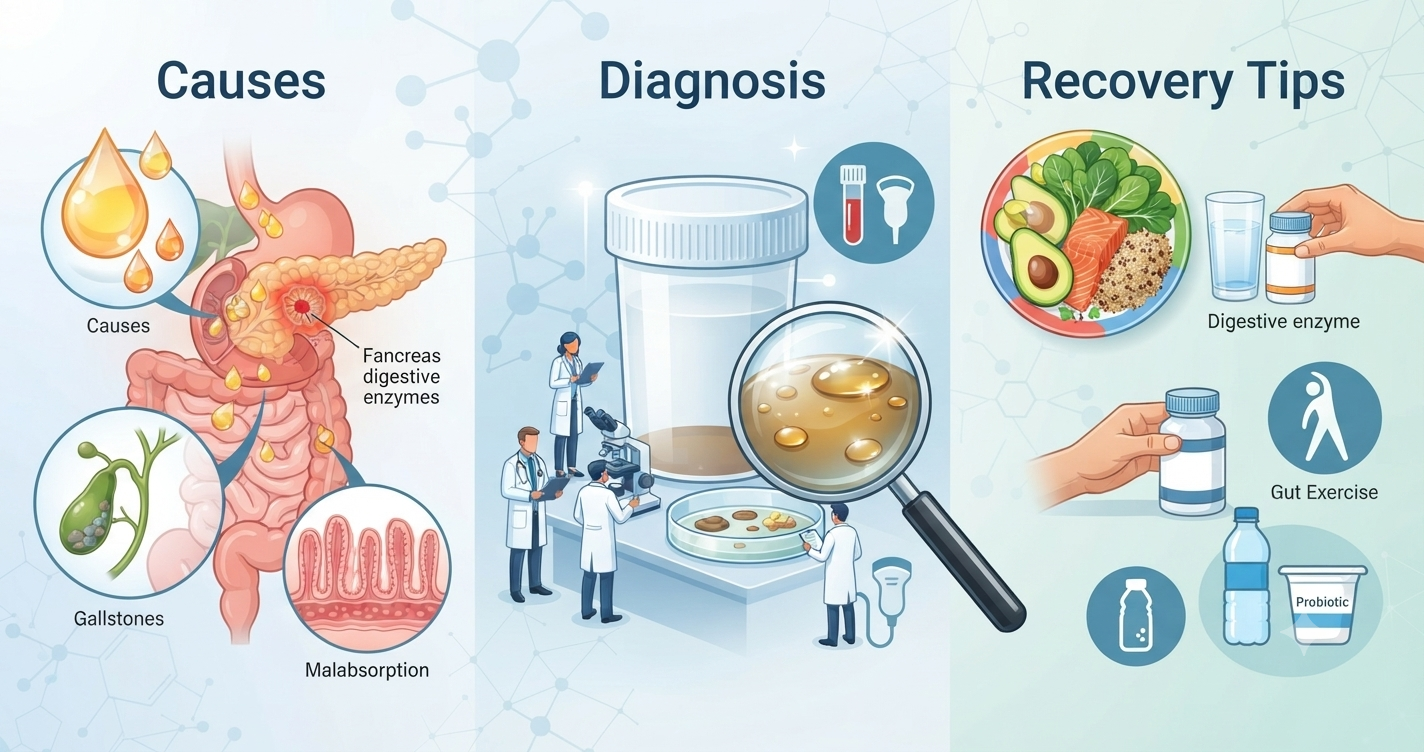
Oil in stool can be alarming because it often indicates that your digestive system is not absorbing fats properly. While occasional dietary changes ma
Oil in stool can be alarming because it often indicates that your digestive system is not absorbing fats properly. While occasional dietary changes may cause temporary symptoms, persistent oily bowel movements deserve medical attention. Fat malabsorption may result from digestive disorders, pancreatic problems, liver disease, or intestinal conditions affecting nutrient absorption. Understanding the underlying cause helps prevent nutritional deficiencies and long-term health complications. This research-based content explains common causes, symptoms, diagnosis, treatment, and recovery strategies for people across the United States, helping readers make informed healthcare decisions.
Understanding Oil in Stool and What It Means
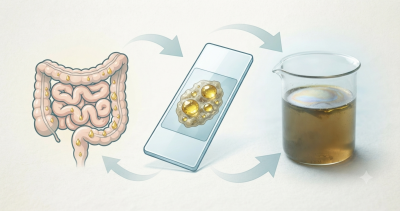
The presence of excess fat in bowel movements is medically known as steatorrhea. Healthy digestion allows the body to absorb dietary fats before waste leaves the intestines. When digestion becomes impaired, fat remains in the stool, producing greasy, shiny, floating, or foul-smelling bowel movements. Healthcare professionals evaluate this symptom carefully because it may signal digestive disorders rather than a simple stomach upset. In many cases, symptoms appear gradually and become more noticeable after consuming high-fat meals. Early recognition supports timely diagnosis and improves treatment outcomes while reducing nutritional complications.
Common Causes of Oil in Stool
Several medical conditions interfere with normal fat digestion and absorption. The digestive system depends on healthy pancreatic enzymes, bile production, and intestinal function to process dietary fats efficiently. When any part of this process becomes impaired, fatty stools may develop. The following causes are among the most common:
Digestive Disorders That Can Lead to Oil in Stool
- Chronic pancreatitis reducing digestive enzyme production.
- Celiac disease damaging the small intestinal lining.
- Crohn’s disease affecting nutrient absorption.
- Gallbladder disorders limiting bile release.
- Liver disease reducing bile production.
- Cystic fibrosis affecting pancreatic enzyme secretion.
- Small intestinal bacterial overgrowth (SIBO).
- Pancreatic insufficiency causing fat malabsorption.
- Certain medications blocking fat absorption.
- Rare inherited digestive disorders.
Recognizing Symptoms Associated with Oil in Stool
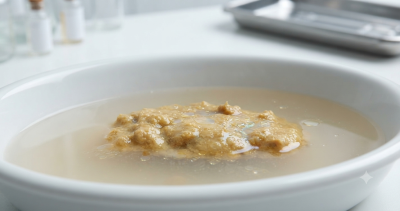
Besides greasy bowel movements, patients often experience several digestive symptoms that suggest impaired nutrient absorption. Frequent diarrhea, abdominal cramping, bloating, excessive gas, unintended weight loss, fatigue, and vitamin deficiencies commonly accompany fat malabsorption. Some individuals notice stools that float because of increased fat content. Persistent symptoms should never be ignored because prolonged malabsorption may reduce levels of vitamins A, D, E, and K. These deficiencies can affect immune function, bone health, vision, and blood clotting over time, requiring comprehensive medical evaluation.
How Fat Digestion Normally Works
The digestive process begins when dietary fats enter the stomach before moving into the small intestine. The liver produces bile, which is stored in the gallbladder until needed for digestion. Bile breaks fat into smaller droplets, allowing pancreatic enzymes called lipases to digest them efficiently. The intestinal lining then absorbs fatty acids and fat-soluble vitamins into the bloodstream. Any disruption involving the pancreas, liver, gallbladder, or intestines may interfere with this complex process. Understanding normal digestion helps explain why multiple diseases produce similar digestive symptoms.
Risk Factors That Increase Fat Malabsorption
Certain individuals face a greater likelihood of developing digestive disorders associated with fatty stools. People with chronic gastrointestinal diseases, autoimmune disorders, previous intestinal surgery, alcohol-related pancreatic damage, or inherited metabolic disorders require closer monitoring. Long-term inflammatory bowel disease also increases digestive complications affecting nutrient absorption. Older adults sometimes experience declining digestive efficiency because of underlying medical conditions or medication use. Residents throughout the United States should seek medical advice if symptoms persist for several weeks, particularly when accompanied by weight loss or chronic diarrhea.
Diagnosing Oil in Stool Accurately
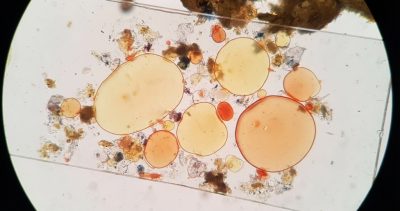
Doctors use several diagnostic tools to identify the underlying cause rather than treating symptoms alone. Medical history, dietary habits, medication use, and physical examination provide important clinical clues. Laboratory testing often includes stool fat analysis, blood tests evaluating nutritional deficiencies, pancreatic enzyme measurements, and liver function testing. Imaging studies such as abdominal ultrasound, CT scan, or MRI may examine digestive organs. Endoscopy, colonoscopy, or intestinal biopsy may become necessary when inflammatory bowel disease or celiac disease is suspected. Accurate diagnosis guides personalized treatment strategies.
Treatment Options Based on the Underlying Cause
Successful treatment focuses on correcting the medical condition responsible for fat malabsorption. Pancreatic enzyme replacement therapy often improves digestion in patients with pancreatic insufficiency. Individuals diagnosed with celiac disease require lifelong adherence to a gluten-free diet. Inflammatory bowel diseases may require anti-inflammatory medications or immune-modulating therapies. Gallbladder disease occasionally requires surgical treatment, while bacterial overgrowth responds to appropriate antibiotics. Physicians also recommend nutritional supplementation to restore deficiencies involving fat-soluble vitamins and essential minerals. Individualized care generally produces the best long-term health outcomes.
Recovery Tips for Better Digestive Health After Oil in Stool
Recovery depends on consistent medical management and healthy lifestyle habits that support digestive function. If you are wondering, can constipation cause nausea, the answer is yes in some cases, especially when severe constipation slows normal bowel movement and digestion. Patients should follow prescribed treatment plans while making practical dietary improvements. Small changes often produce meaningful improvements in gastrointestinal health over time. Maintaining regular follow-up appointments helps monitor nutritional status and treatment effectiveness. Human Health Tips encourages evidence-based care rather than self-diagnosis because digestive symptoms often overlap among several medical conditions. Long-term success requires patience, lifestyle consistency, and close collaboration with qualified healthcare professionals.
Dietary Changes That Support Digestive Recovery
Nutrition plays a central role in restoring healthy digestion after fat malabsorption. Registered dietitians frequently recommend smaller meals that reduce digestive strain while providing balanced nutrients. Lean proteins, whole grains, fruits, vegetables, and adequate hydration support intestinal healing. Medium-chain triglycerides may benefit some individuals because they require less digestive processing. Limiting alcohol consumption and avoiding excessive fatty or fried foods also reduce digestive stress. Personalized nutrition plans remain more effective than restrictive diets because every patient’s underlying condition differs significantly.
Preventing Future Digestive and Oil in Stool Problems
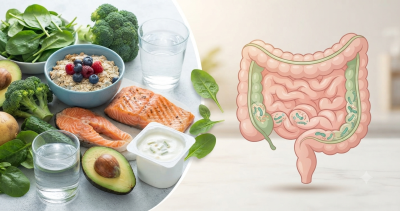
Although not every digestive disorder is preventable, healthy habits reduce the likelihood of persistent complications. Maintaining a balanced diet rich in fiber, staying physically active, managing chronic diseases, and attending routine medical checkups support digestive wellness. Avoiding tobacco products and excessive alcohol protects pancreatic and liver health. Individuals with family histories of gastrointestinal disease should discuss appropriate screening options with healthcare providers. Early intervention often prevents disease progression while preserving nutrient absorption and overall quality of life for many patients.
When Medical Evaluation Should Never Be Delayed
Persistent digestive symptoms require prompt assessment, especially when accompanied by severe abdominal pain, dehydration, unexplained weight loss, bloody stools, persistent vomiting, fever, or signs of vitamin deficiency. Early diagnosis reduces the risk of serious complications and improves treatment success. Healthcare professionals can distinguish harmless digestive changes from conditions requiring urgent intervention. Seeking timely medical care allows patients to receive appropriate laboratory testing, nutritional support, and targeted therapy before long-term damage develops. Early action remains the safest approach for protecting digestive health.
Frequently Asked Questions
Why does my stool look oily after eating fatty foods?
Occasional oily stools may occur after consuming extremely fatty meals. However, repeated episodes may indicate fat malabsorption, pancreatic disease, gallbladder problems, or intestinal disorders requiring medical evaluation.
What foods should I avoid if I have oily stools?
Avoid excessive fried foods, processed fats, heavy cream, and high-fat fast foods until your healthcare provider determines the underlying digestive condition and recommends an appropriate diet.
How do doctors confirm fat malabsorption?
Doctors commonly perform stool fat analysis, blood tests, imaging studies, pancreatic enzyme testing, and sometimes endoscopy or intestinal biopsy to identify the exact digestive disorder.
Where should I seek treatment for persistent oily stool symptoms?
Begin with your primary healthcare provider or a gastroenterologist. Specialists can evaluate digestive function, perform appropriate testing, and develop a personalized treatment plan based on your diagnosis.
COMMENTS