
Sensitive skin requires extra attention because it reacts more easily to ingredients, environmental factors, and daily skincare routines. Choosing the
Sensitive skin requires extra attention because it reacts more easily to ingredients, environmental factors, and daily skincare routines. Choosing the right skin care products for sensitive skin can reduce irritation, improve hydration, and strengthen the skin barrier over time. According to dermatology research, fragrance-free formulas, gentle cleansers, and barrier-repair ingredients are among the safest choices for delicate skin. Understanding ingredient labels and avoiding common irritants can make a noticeable difference. This content explains how to build an effective skincare routine using evidence-based recommendations designed for people with easily irritated skin.
Understanding What Makes Sensitive Skin Different
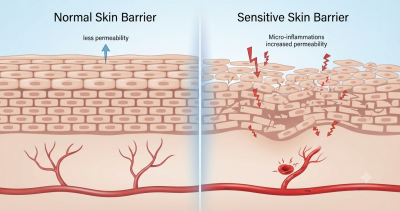
Sensitive skin is not a medical diagnosis but a condition characterized by increased skin reactivity. People with this skin type often experience redness, itching, burning, tightness, or dryness after using certain cosmetic products or environmental exposure. Research suggests that a weakened skin barrier allows irritants and allergens to penetrate more easily, triggering inflammation.
Several factors contribute to skin sensitivity, including genetics, aging, weather changes, excessive exfoliation, and underlying conditions like eczema or rosacea. Knowing your skin’s unique triggers is the first step toward choosing products that protect rather than irritate. A gentle routine supports long-term skin health while reducing flare-ups and discomfort.
Why Skin Care Products for Sensitive Skin Require Special Ingredients
Not all skincare formulas are suitable for delicate skin. Products designed specifically for sensitive skin avoid harsh chemicals while focusing on hydration and barrier repair. Dermatologists recommend selecting formulations with clinically studied ingredients that calm inflammation and improve moisture retention.
Look for ingredients such as ceramides, glycerin, hyaluronic acid, colloidal oatmeal, panthenol, aloe vera, niacinamide, and squalane. These ingredients help maintain hydration while minimizing irritation. Avoid products containing strong alcohols, artificial fragrances, sulfates, and excessive essential oils, as these commonly trigger skin reactions in sensitive individuals.
Key Ingredients That Dermatologists Recommend
- Ceramides strengthen the natural skin barrier.
- Glycerin attracts moisture into the skin.
- Colloidal oatmeal helps calm itching and irritation.
- Panthenol supports skin healing and reduces redness.
- Aloe vera provides soothing hydration.
- Squalane restores moisture while remaining lightweight.
- Niacinamide improves barrier function and reduces inflammation.
These ingredients have extensive clinical support for maintaining healthier, more resilient skin.
Learn to Read Ingredient Labels Carefully
Many consumers focus on product marketing rather than ingredient lists. However, dermatologists recommend checking labels before purchasing any skincare product. Ingredients are listed in descending order based on concentration, making it easier to identify the primary components.
Products labeled “hypoallergenic,” “natural,” or “dermatologist tested” may still contain ingredients that irritate sensitive skin. Instead, examine the ingredient list for known irritants such as fragrance, denatured alcohol, parabens (if personally sensitive), formaldehyde-releasing preservatives, and harsh exfoliating acids in high concentrations. Understanding labels helps reduce unnecessary exposure to skin triggers.
Choose a Gentle Cleanser Instead of Harsh Face Washes

Cleansing removes dirt, sunscreen, and excess oil while preparing the skin for moisturizing treatments. Unfortunately, many cleansers strip away natural oils, leaving sensitive skin dry and vulnerable.
Choose a sulfate-free, fragrance-free cleanser with a creamy or lotion-like texture. These formulations clean the skin without disrupting the protective barrier. Washing twice daily using lukewarm water is generally sufficient. Hot water may worsen redness and increase skin sensitivity by damaging the skin’s natural moisture balance.
Moisturizers Help Repair the Protective Skin Barrier
A healthy skin barrier prevents moisture loss while protecting against bacteria, pollution, and allergens. Moisturizers are among the most important products for individuals with delicate skin.
Creams containing ceramides, cholesterol, fatty acids, shea butter, or dimethicone effectively restore hydration. Applying moisturizer immediately after cleansing helps lock in moisture and reduce transepidermal water loss. Consistent hydration improves skin comfort and decreases sensitivity over time.
People with oily sensitive skin should choose lightweight, non-comedogenic moisturizers instead of heavy creams that may clog pores.
Sunscreen Is Essential Every Day
Ultraviolet radiation weakens the skin barrier and increases inflammation. Daily sunscreen use protects sensitive skin from sun damage, premature aging, and hyperpigmentation.
Mineral sunscreens containing zinc oxide or titanium dioxide are generally better tolerated than many chemical filters. Broad-spectrum SPF 30 or higher provides effective protection against UVA and UVB rays. Reapplication every two hours remains important during prolonged outdoor activities.
Daily sun protection also helps maintain results from other skincare treatments while preventing additional irritation.
Avoid Common Irritants That Trigger Skin Reactions
Many skincare products contain ingredients that provide pleasant textures or fragrances but offer little benefit for sensitive skin. Reducing exposure to these ingredients minimizes irritation.
Common irritants include:
- Artificial fragrance
- Strong essential oils
- Sulfates
- High concentrations of alcohol
- Harsh physical scrubs
- Excessive exfoliating acids
- Menthol
- Camphor
- Synthetic dyes
Limiting these ingredients often leads to healthier, calmer skin with fewer flare-ups.
Build a Simple Daily Routine That Supports Skin Health

A skincare routine does not require numerous products. Research consistently shows that simple routines reduce the risk of irritation while improving consistency.
Morning routine:
- Gentle cleanser
- Lightweight moisturizer
- Broad-spectrum mineral sunscreen
Evening routine:
- Gentle cleanser
- Hydrating serum if needed
- Barrier-repair moisturizer
Introducing only one new product every two weeks helps identify potential sensitivities without overwhelming the skin.
Patch Testing Reduces the Risk of Unexpected Reactions
Even products marketed for sensitive skin can occasionally cause irritation. Patch testing helps identify potential reactions before applying products to the entire face.
Apply a small amount behind the ear or inside the forearm for several consecutive days. Watch for redness, itching, swelling, burning, or rash. If no reaction develops, the product is generally safe to introduce gradually into your skincare routine.
Patch testing remains one of the simplest preventive strategies recommended by dermatologists.
Lifestyle Habits That Improve Sensitive Skin Naturally
Healthy skin depends on more than topical products. Lifestyle choices significantly influence inflammation, hydration, and overall skin resilience.
Adequate water intake supports hydration, while balanced nutrition provides vitamins, minerals, antioxidants, and essential fatty acids needed for skin repair. Managing stress may reduce inflammatory skin flare-ups. Sleeping seven to nine hours each night allows skin regeneration and recovery.
Using a humidifier during dry seasons also helps prevent moisture loss, especially in heated indoor environments common during winter months.
Choosing Skin Care Products for Sensitive Skin Based on Your Skin Type
Sensitive skin may also be oily, dry, combination, acne-prone, or mature. Selecting products according to both sensitivity and skin type improves treatment effectiveness while minimizing irritation.
Dry sensitive skin benefits from richer creams containing ceramides and shea butter. Oily sensitive skin responds better to lightweight gel moisturizers and non-comedogenic formulas. Combination skin often requires balanced hydration without excessive oil. Mature sensitive skin may benefit from peptides and gentle antioxidants that improve elasticity without causing inflammation. Read for the best Jan Marini Skin Care Products for every Skin type.
Understanding your complete skin profile leads to better long-term skincare decisions.
FAQ
Why does sensitive skin react to many skincare products?
Sensitive skin usually has a weakened protective barrier that allows irritants and allergens to penetrate more easily. This increases inflammation, causing redness, burning, itching, or dryness after exposure to certain ingredients.
What ingredients should I avoid for sensitive skin?
Avoid artificial fragrance, sulfates, harsh alcohols, strong essential oils, physical scrubs, synthetic dyes, and high-strength exfoliating acids unless specifically recommended by a dermatologist.
How often should I use skincare products on sensitive skin?
Most dermatologists recommend cleansing twice daily, moisturizing after every cleanse, and applying sunscreen every morning. Introduce new products slowly to monitor for possible reactions.
Where should I patch test a new skincare product?
Apply a small amount behind your ear or on the inside of your forearm for several days. If irritation does not occur, you can gradually begin using the product on your face.
Why is maintaining the skin barrier important for sensitive skin?
A healthy skin barrier retains moisture and blocks irritants, allergens, and environmental pollutants. Strengthening this barrier reduces redness, dryness, inflammation, and overall skin sensitivity while improving long-term skin health.
COMMENTS