
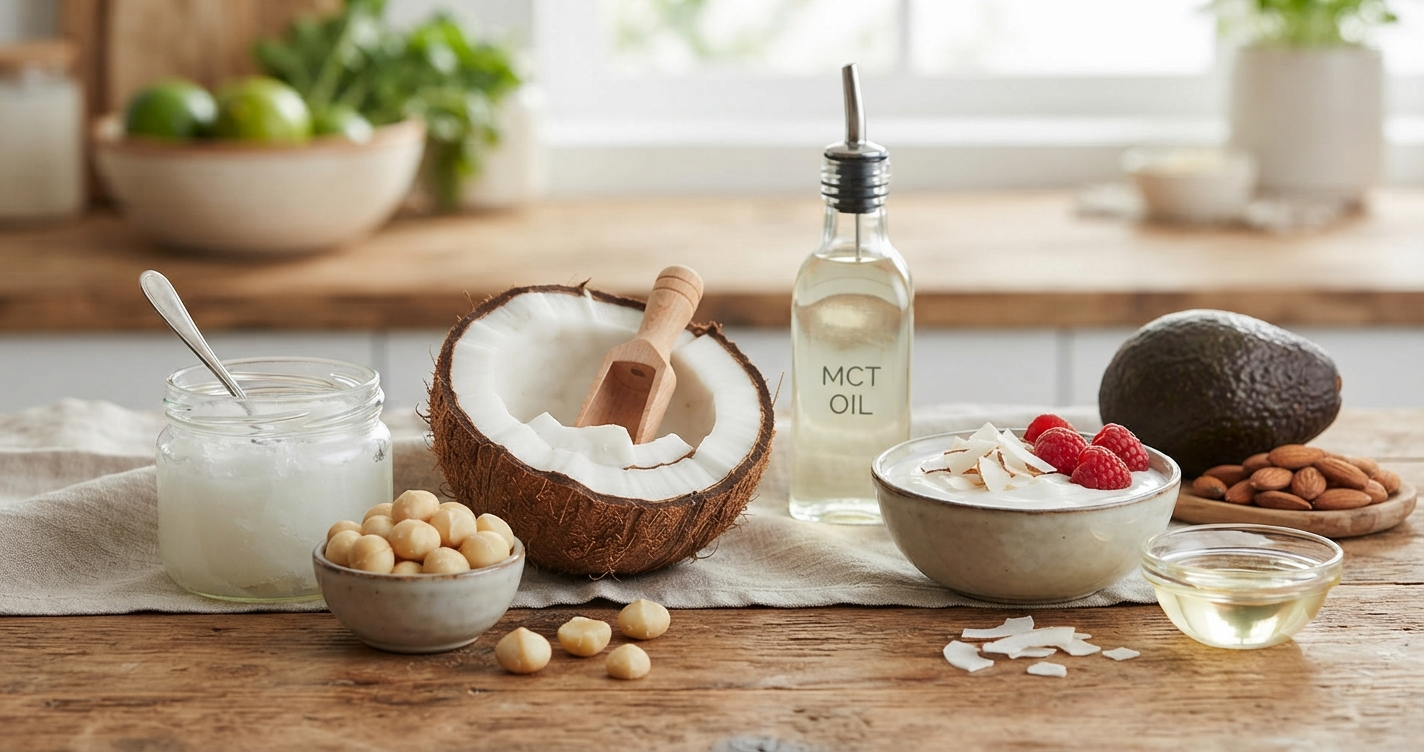
Medium-chain triglycerides (MCTs) have become popular because they provide quick energy and support overall wellness. Unlike long-chain fats, MCTs tra
Medium-chain triglycerides (MCTs) have become popular because they provide quick energy and support overall wellness. Unlike long-chain fats, MCTs travel directly to the liver, where they are rapidly converted into energy instead of being stored as body fat. Including foods with MCT in your daily meals may improve energy levels, mental focus, and metabolic health. Many nutrition experts also recommend these healthy fats for people following ketogenic or low-carbohydrate eating plans. This research-based guide explains the best natural MCT sources, their benefits, and practical ways to enjoy them every day. At Human Health Tips, we encourage balanced nutrition backed by scientific evidence.
Foods with MCT: Understanding Medium-Chain Triglycerides
Medium-chain triglycerides are saturated fats containing six to twelve carbon atoms. Because of their shorter structure, the digestive system absorbs them more quickly than most dietary fats. Researchers have found that MCTs provide an efficient fuel source for the brain and muscles during physical activity. Natural MCT sources are less processed than supplements and often contain valuable vitamins, minerals, and antioxidants. While MCT oil is widely available, consuming whole foods provides additional nutritional benefits. Including these healthy fat sources within a balanced diet may support heart health, sustained energy, healthy weight management, and improved nutrient absorption.
Why Foods with MCT Are Beneficial for Overall Wellness
Scientific studies suggest that medium-chain triglycerides offer several health advantages when consumed as part of a nutritious eating pattern. These fats produce ketones more efficiently than other fats, providing an alternative energy source for the brain. Some research indicates they may increase satiety, helping people feel full longer between meals. Athletes often appreciate their rapid digestion because they supply readily available energy without causing digestive discomfort. Although more studies continue to emerge, nutrition experts generally agree that moderate consumption of natural MCT-rich foods supports a healthy lifestyle alongside regular exercise and balanced eating habits.
Key Benefits of Natural MCT Foods
- Provide quick and efficient energy production.
- Support healthy brain function and cognitive performance.
- Promote feelings of fullness after meals.
- Help maintain metabolic flexibility.
- Support ketogenic and low-carb lifestyles.
- Aid efficient fat digestion and absorption.
- Supply beneficial fatty acids naturally.
- Pair well with balanced meal planning.
Coconut: The Richest Natural Source of Medium-Chain Fats
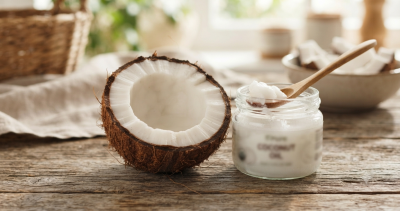
Coconut remains one of the best natural sources of medium-chain triglycerides available. Fresh coconut meat, coconut milk, coconut cream, and unsweetened coconut flakes all contain meaningful amounts of these healthy fats. Lauric acid is the primary fatty acid in coconut, although experts continue discussing whether it behaves exactly like other MCTs during digestion. Coconut products also contain dietary fiber, manganese, and antioxidants that support overall wellness. Choosing unsweetened coconut products helps minimize added sugars while maximizing nutritional value. Adding coconut to smoothies, yogurt, oatmeal, or healthy desserts offers a delicious way to enjoy its nutritional benefits.
Dairy Products That Naturally Contain MCTs
Several dairy products naturally provide medium-chain triglycerides, particularly those made from whole milk. Butter, full-fat yogurt, whole milk, heavy cream, and certain cheeses all contain modest amounts of these beneficial fats. Grass-fed dairy products may also provide additional omega-3 fatty acids and fat-soluble vitamins. Although dairy contributes MCTs, moderation remains important because these foods also contain calories and saturated fat. Selecting minimally processed dairy while balancing intake with fruits, vegetables, whole grains, and lean proteins creates a healthier dietary pattern suitable for most adults following nutritional guidelines.
Foods with MCT for Ketogenic and Low-Carb Diets
Individuals following ketogenic or low-carbohydrate eating plans frequently choose foods with MCT because they support ketone production. Ketones become an important energy source when carbohydrate intake remains low. Coconut products, butter, full-fat dairy, and MCT oil are common additions to ketogenic recipes. These foods may help maintain energy while supporting dietary compliance. However, nutritional balance still matters even within specialized diets. Combining healthy fats with high-quality proteins, colorful vegetables, and adequate hydration helps create sustainable eating habits. Consulting a registered dietitian ensures personalized guidance for long-term health goals.
How to Include MCT-Rich Foods in Everyday Meals
Adding natural MCT-rich foods to daily meals requires only a few simple adjustments. Stir coconut milk into oatmeal or smoothies for a creamy texture and added healthy fats. Prepare vegetables with a small amount of butter instead of heavily processed cooking fats. Enjoy full-fat yogurt topped with berries and nuts as a satisfying breakfast or snack. Add shredded coconut to homemade energy bites or baked recipes for additional flavor. These practical strategies allow individuals to increase healthy fat intake while maintaining variety, nutritional balance, and enjoyable eating experiences throughout the week.
Choosing Natural Food Sources Instead of Processed Options

Whole-food nutrition continues to receive strong support from healthcare professionals because minimally processed foods offer complete nutritional packages. Natural MCT-containing foods provide fiber, vitamins, minerals, and beneficial plant compounds that supplements cannot fully replace. While purified MCT oil may serve specific medical or athletic purposes, everyday meals should emphasize diverse food sources whenever possible. Reading nutrition labels carefully helps avoid unnecessary sugars, artificial ingredients, and unhealthy additives. Prioritizing fresh ingredients also supports digestive health, blood sugar management, and overall dietary quality, making healthy eating easier to maintain over time.
Foods with MCT and Their Role in Weight Management

Many people include foods with MCT while pursuing healthy weight management because research suggests they may enhance feelings of fullness. Some clinical studies indicate that medium-chain fats slightly increase calorie expenditure compared with longer-chain fats. Although these findings appear promising, MCT-rich foods should never replace balanced nutrition or regular physical activity. Sustainable weight management depends on overall calorie balance, nutrient quality, sleep, stress management, and consistent exercise. Including natural MCT sources within a well-rounded dietary plan may provide additional support while encouraging healthier long-term eating habits.
Safety Tips Before Increasing Your MCT Intake
Most healthy adults tolerate natural MCT-containing foods without significant problems when consumed in moderation. However, increasing dietary fat too quickly may cause digestive discomfort, including bloating or stomach upset. People with liver disease, pancreatic disorders, or specific digestive conditions should seek medical advice before making substantial dietary changes. Starting with smaller portions allows the digestive system to adjust comfortably. Maintaining variety across food groups ensures adequate intake of protein, complex carbohydrates, fiber, vitamins, and essential minerals. Balanced nutrition remains the foundation of lasting health and disease prevention.
Building a Balanced Diet with MCT-Rich Foods
Rather than focusing exclusively on one nutrient, successful nutrition emphasizes dietary diversity and consistency. Combine MCT-containing foods with vegetables, fruits, legumes, lean proteins, nuts, seeds, and whole grains for comprehensive nutrition. Hydration, physical activity, adequate sleep, and stress management work together with healthy eating to improve overall well-being. Research consistently shows that no single food guarantees perfect health. Instead, long-term benefits develop through sustainable daily habits. Incorporating natural MCT sources within balanced meals provides another valuable tool for supporting energy, metabolism, and overall wellness throughout every stage of life. Read about Carnivore Diet Food List in your daily diet.
Frequently Asked Questions
Why are medium-chain triglycerides different from other dietary fats?
Medium-chain triglycerides digest more rapidly than long-chain fats because they travel directly to the liver. This unique pathway allows faster energy production and may support physical performance and mental focus.
What are the best natural sources of MCTs?
Coconut, coconut milk, coconut cream, butter, whole milk, full-fat yogurt, heavy cream, and certain cheeses naturally contain medium-chain triglycerides. These foods also provide additional nutrients that support overall health.
How often should I eat MCT-rich foods?
Most healthy adults can include moderate portions of natural MCT-rich foods several times each week. The ideal amount depends on total calorie needs, activity level, and individual health goals.
Where can I find healthy MCT-containing foods?
Most grocery stores across the United States carry fresh coconut products, dairy foods, and unsweetened coconut ingredients. Choose minimally processed products without excessive added sugars whenever possible.
Why do ketogenic diets commonly include MCT-rich foods?
Ketogenic diets often include MCT-rich foods because these fats support ketone production more efficiently than many other dietary fats. Ketones provide an alternative energy source during carbohydrate restriction.
COMMENTS