

Iron is one of the most important minerals the human body needs for healthy blood production, oxygen transport, and energy metabolism. Unfortunately,
Iron is one of the most important minerals the human body needs for healthy blood production, oxygen transport, and energy metabolism. Unfortunately, many traditional iron supplements cause digestive discomfort, making it difficult for people to continue treatment consistently. Liquid iron has become a preferred alternative because it is often gentler on the digestive system while providing effective iron absorption. Choosing the right supplement can improve both health outcomes and daily comfort. For people in Miami, United States, understanding the benefits of this option can help support healthier lifestyles and better nutritional habits.
What Makes Liquid Iron Different from Traditional Iron Supplements?
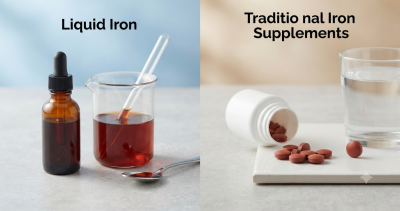
Unlike many tablets or capsules, liquid formulations dissolve before reaching the stomach, reducing the workload on the digestive system. This difference may improve nutrient absorption while minimizing common gastrointestinal side effects. Many healthcare professionals recommend liquid formulas for individuals who experience stomach irritation, constipation, or nausea after taking conventional supplements. Research also suggests that properly formulated liquid products may provide consistent absorption when combined with a balanced diet rich in vitamin C and other essential nutrients. Choosing a high-quality supplement helps maximize nutritional benefits while supporting healthy red blood cell production.
Why Liquid Iron Is Easier on Sensitive Stomachs
People with digestive conditions often avoid iron supplements because they fear discomfort after each dose. Liquid formulations are generally easier to digest since they spread evenly throughout the stomach rather than dissolving slowly like tablets. This process may reduce irritation while supporting efficient mineral absorption. Many nutrition experts recommend taking iron alongside meals when appropriate to further decrease digestive upset. Individuals in Miami, United States, who experience recurring stomach sensitivity should discuss supplementation with their healthcare provider before beginning any long-term nutritional program.
Common Reasons Many People Prefer Liquid Supplements
- Easier swallowing than large tablets
- Lower risk of constipation for many users
- Better absorption in some individuals
- Gentle on sensitive digestive systems
- Convenient dosage adjustments
- Suitable for adults and children under medical guidance
- Can be mixed with certain beverages if recommended
- Supports consistent supplement routines
Understanding Iron Deficiency and Its Symptoms

Iron deficiency develops gradually and may affect overall health before obvious symptoms appear. Fatigue, weakness, pale skin, dizziness, headaches, shortness of breath, and reduced concentration are among the most common warning signs. Without enough iron, the body struggles to produce healthy hemoglobin, reducing oxygen delivery to tissues. Healthcare providers usually diagnose deficiency through blood tests that measure ferritin, hemoglobin, and other biomarkers. Early diagnosis allows timely treatment and reduces the likelihood of more serious complications associated with long-term nutritional deficiencies.
How Liquid Iron Supports Healthy Red Blood Cell Production
Iron plays a direct role in producing hemoglobin, the protein responsible for carrying oxygen throughout the body. Adequate iron intake supports healthy red blood cell formation, helping maintain physical endurance, cognitive performance, and immune function. Individuals recovering from illness, surgery, or heavy blood loss often require additional nutritional support under medical supervision. Proper supplementation combined with balanced meals rich in protein, vitamin C, folate, and vitamin B12 creates a stronger foundation for healthy blood production and overall wellness.
Best Nutrients to Pair with Liquid Iron for Better Absorption
Iron absorption depends on several nutritional factors beyond the supplement itself. Vitamin C significantly improves iron uptake by converting it into a more absorbable form. Citrus fruits, strawberries, bell peppers, kiwi, and tomatoes are excellent dietary sources. Folate, vitamin B12, copper, and adequate protein intake also contribute to healthy blood formation. Conversely, calcium-rich foods, coffee, tea, and certain medications may reduce absorption when consumed simultaneously. Following healthcare recommendations regarding timing can improve supplement effectiveness while minimizing nutrient interactions.
Foods That Naturally Support Healthy Iron Levels
- Lean red meat
- Chicken and turkey
- Seafood
- Spinach
- Lentils
- Beans
- Pumpkin seeds
- Tofu
- Fortified cereals
- Broccoli
- Citrus fruits
- Dark leafy vegetables
Who May Benefit Most from Liquid Iron Supplements?

Several groups are more likely to develop iron deficiency because of increased nutritional demands or reduced absorption. Women during pregnancy, individuals with heavy menstrual cycles, vegetarians, vegans, endurance athletes, older adults, and people with gastrointestinal disorders frequently require careful monitoring of iron status. Children experiencing rapid growth may also need additional iron under pediatric supervision. Healthcare professionals evaluate laboratory findings, dietary habits, and medical history before recommending the most appropriate supplementation strategy for each individual.
Scientific Research Supporting Gentler Iron Formulations
Clinical studies have shown that gastrointestinal side effects remain one of the primary reasons patients discontinue iron supplementation. Researchers continue developing formulations designed to improve tolerance while maintaining effective absorption. Several studies suggest that liquid preparations may reduce constipation, stomach discomfort, and nausea in certain individuals compared with higher-dose tablet forms. However, treatment outcomes depend on dosage, formulation quality, underlying health conditions, and individual digestive responses. Following evidence-based medical guidance remains the safest approach for achieving healthy iron levels without unnecessary complications.
Safe Daily Use and Storage Recommendations
Taking iron supplements responsibly helps improve safety and effectiveness. Always follow the dosage recommended by your healthcare provider or product instructions. Store supplements away from direct sunlight, excessive heat, and moisture to preserve stability. Keep all iron products out of children’s reach because accidental overdose can become a medical emergency. Never increase dosage without professional advice, even if symptoms persist. Regular blood testing allows healthcare providers to monitor progress and adjust supplementation according to changing nutritional needs.
Choosing a High-Quality Iron Supplement for Long-Term Wellness

Selecting an appropriate supplement involves more than comparing prices. Look for products manufactured under recognized quality standards with transparent ingredient lists and clearly labeled elemental iron content. Avoid unnecessary artificial additives if you have known sensitivities. Reading independent quality certifications and discussing product options with qualified healthcare professionals can improve confidence in your purchase. At Human Health Tips, we encourage consumers to prioritize scientifically supported products that meet established safety standards while fitting their individual nutritional requirements.
Practical Lifestyle Habits That Help Maintain Healthy Iron Levels
Healthy nutrition works best when combined with supportive daily habits. Eating balanced meals, staying physically active, maintaining proper hydration, and scheduling routine health checkups contribute to better overall wellness. Limiting excessive tea and coffee around meal times may improve mineral absorption. Individuals following plant-based diets should include diverse iron-rich foods and adequate vitamin C sources throughout the day. Long-term consistency, rather than short-term changes, provides the strongest foundation for maintaining healthy iron stores and supporting lasting energy levels.
Frequently Asked Questions
Why do iron tablets sometimes upset the stomach?
Iron tablets may dissolve slowly inside the digestive tract, increasing the likelihood of nausea, constipation, stomach irritation, or abdominal discomfort in some individuals.
What foods improve iron absorption naturally?
Vitamin C-rich foods such as oranges, strawberries, kiwi, tomatoes, and bell peppers help increase iron absorption when consumed alongside iron-rich meals.
How should iron supplements be taken safely?
Always follow your healthcare provider’s recommended dosage, avoid exceeding daily limits, and schedule periodic blood tests to monitor iron status and treatment effectiveness.
Where should iron supplements be stored?
Store supplements in a cool, dry location away from direct sunlight and moisture. Keep them securely out of children’s reach to prevent accidental ingestion.
Why is medical supervision important before taking iron supplements?
Medical evaluation confirms whether iron deficiency exists, identifies underlying causes, determines the correct dosage, and helps prevent excessive iron intake that may negatively affect health.
COMMENTS