

Tooth sensitivity is a common oral health concern affecting millions of adults in the United States. Sharp discomfort while consuming hot, cold, sweet
Tooth sensitivity is a common oral health concern affecting millions of adults in the United States. Sharp discomfort while consuming hot, cold, sweet, or acidic foods often indicates exposed dentin or weakened enamel. Selecting the right toothpaste for sensitive teeth is one of the most effective first steps toward managing these symptoms. Dental experts recommend clinically tested formulas that reduce nerve sensitivity while protecting enamel and preventing cavities. Combined with proper brushing techniques and routine dental visits, a sensitivity toothpaste can improve daily comfort and support long-term oral health through consistent use.
Why Toothpaste for Sensitive Teeth Is Recommended by Dentists
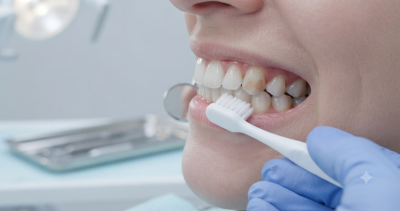
Dentists recommend sensitivity toothpaste because it addresses the underlying causes of tooth discomfort rather than simply masking symptoms. Sensitive teeth usually develop from enamel erosion, gum recession, aggressive brushing, or untreated dental conditions. Specialized toothpaste contains active ingredients that either block pain signals or seal exposed dentinal tubules. Clinical studies have shown that consistent use provides measurable relief for many patients within several weeks. In addition to reducing discomfort, these formulations strengthen enamel, lower the risk of tooth decay, and support healthier gums when incorporated into a complete oral hygiene routine.
Toothpaste for Sensitive Teeth Should Contain These Ingredients
Choosing the right formula begins with understanding the ingredients supported by clinical research. Potassium nitrate is widely recognized for calming nerve activity inside the tooth, reducing painful responses to temperature changes. Stannous fluoride protects exposed dentin while strengthening enamel and helping prevent cavities. Sodium fluoride enhances remineralization, making teeth more resistant to acid attacks. Some advanced formulations also include hydroxyapatite or arginine technology, which assist in repairing weakened enamel surfaces. Selecting toothpaste with these scientifically supported ingredients increases the likelihood of achieving lasting sensitivity relief and improved oral health.
Key Ingredients Dental Experts Look For
- Potassium nitrate for reducing nerve sensitivity.
- Stannous fluoride for dentin protection and cavity prevention.
- Sodium fluoride for enamel remineralization.
- Hydroxyapatite to strengthen weakened enamel.
- Arginine technology to seal exposed dentinal tubules.
- Low-abrasive cleaning agents that minimize enamel wear.
- Xylitol to support a healthier oral environment.
- Calcium phosphate compounds for enamel repair support.
Common Tooth Sensitivity Identified by Dental Research
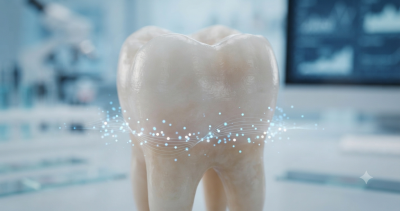
Effective treatment begins with identifying the source of sensitivity. Enamel erosion caused by acidic foods and beverages remains one of the leading contributors. Gum recession exposes the tooth root, which lacks enamel protection and responds more easily to external stimuli. Brushing too aggressively with a hard bristled toothbrush may gradually wear away protective enamel. Teeth grinding, cracked teeth, untreated cavities, and recent whitening procedures can also increase sensitivity. Understanding these contributing factors allows dentists to recommend appropriate preventive strategies while reducing the likelihood of future discomfort and dental complications.
How Dental Experts Evaluate toothpaste for sensitive teeth
Dental professionals rely on scientific evidence rather than marketing claims when recommending oral care products. Clinical trials demonstrating reduced tooth sensitivity receive significant consideration during product evaluation. Dentists also assess fluoride concentration, abrasiveness, ingredient safety, and long-term effectiveness. Products supported by reputable dental organizations and peer-reviewed research generally inspire greater confidence. Additional benefits, including gum protection, fresh breath, and cavity prevention, further enhance a product’s overall value. Selecting a toothpaste supported by evidence ensures patients receive both immediate symptom relief and comprehensive oral health protection.
Proper Brushing Techniques Enhance Treatment Results
The effectiveness of any sensitivity toothpaste depends on correct brushing habits. Dentists recommend brushing twice each day using a soft-bristled toothbrush and gentle circular motions. Applying excessive pressure may accelerate enamel loss and worsen sensitivity over time. Brushing should continue for at least two minutes to ensure complete plaque removal. Daily flossing removes bacteria from areas unreachable by toothbrush bristles, reducing the risk of gum disease. Replacing the toothbrush every three to four months also maintains effective cleaning performance while minimizing unnecessary irritation to teeth and gums.
Nutrition and Lifestyle Habits Protect Tooth Enamel
Healthy dietary habits contribute significantly to stronger teeth and reduced sensitivity. Foods rich in calcium, phosphorus, and vitamin D support enamel strength and overall dental health. Drinking fluoridated water throughout the day helps maintain adequate hydration while promoting remineralization. Limiting frequent consumption of sugary snacks, soft drinks, citrus fruits, and sports beverages reduces acid exposure that weakens enamel. Avoiding tobacco products also benefits gum health and lowers the risk of oral disease. Together, these lifestyle choices complement professional dental care and improve long-term oral health outcomes.
The Relationship Between Teeth Whitening and Sensitivity
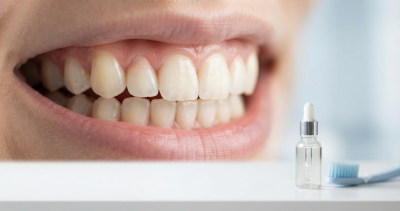
Many whitening treatments temporarily increase tooth sensitivity because bleaching agents penetrate enamel during the whitening process. Individuals with existing sensitivity should consult their dentist before beginning cosmetic whitening procedures. Dentists often recommend using sensitivity toothpaste for several weeks before and after whitening treatment to minimize discomfort. Professional whitening performed under dental supervision generally provides greater safety than unsupervised over-the-counter alternatives. Following treatment instructions carefully and avoiding excessive whitening sessions helps preserve enamel integrity while achieving desired cosmetic improvements without unnecessary irritation.
Evidence-Based Strategies for Long-Term Sensitivity Management
Managing tooth sensitivity requires a comprehensive preventive approach. Regular dental examinations allow early detection of cavities, enamel erosion, gum disease, trench mouth, and other developing oral health conditions. Fluoride mouth rinses may provide additional protection when recommended by a dental professional. Individuals who grind their teeth during sleep may benefit from custom night guards that reduce enamel wear. Waiting approximately thirty minutes before brushing after consuming acidic foods prevents further enamel abrasion. These evidence-based practices, combined with consistent oral hygiene, significantly improve the long-term management of tooth sensitivity while supporting healthier teeth and gums.
When Persistent Tooth Sensitivity Requires Professional Care
While many cases improve with home treatment, ongoing sensitivity should never be ignored. Persistent pain may indicate cavities, fractured teeth, exposed roots, worn dental restorations, or advanced gum disease. Pain during chewing, spontaneous toothaches, swelling, or prolonged sensitivity warrants prompt evaluation by a licensed dentist. Comprehensive dental examinations may include radiographs and clinical assessments to determine the exact cause. Early diagnosis enables appropriate treatment before more extensive procedures become necessary, preserving both oral function and long-term dental health.
Creating a Preventive Oral Health Plan for Lifelong Comfort

Long-term oral health depends on prevention rather than treatment alone. Daily brushing with fluoride toothpaste, regular flossing, balanced nutrition, and routine dental examinations form the foundation of effective preventive care. Patients should also avoid harmful habits such as smoking, chewing ice, and aggressive brushing that increase enamel wear. Following professional recommendations consistently reduces the risk of tooth sensitivity, cavities, and periodontal disease. Human Health Tips encourages readers to adopt evidence-based oral hygiene practices that protect healthy smiles and promote lifelong dental wellness.
Frequently Asked Questions
Why does tooth sensitivity become worse over time?
Sensitivity often worsens when enamel erosion, gum recession, or untreated dental conditions continue progressing without professional treatment or preventive care.
What ingredients are most effective for sensitive teeth?
Potassium nitrate, stannous fluoride, sodium fluoride, hydroxyapatite, and arginine have substantial clinical evidence supporting their effectiveness for reducing tooth sensitivity.
How long should I use sensitivity toothpaste before expecting results?
Most clinical studies report noticeable improvement after two to four weeks of consistent twice-daily use, although individual results may vary.
Where can I find dentist-recommended toothpaste for sensitive teeth?
Most dentist-recommended sensitivity toothpastes are available through pharmacies, supermarkets, dental clinics, and reputable online retailers throughout the United States.
Why is regular dental care important even when sensitivity improves?
Reduced sensitivity does not always indicate complete oral health. Routine examinations help detect hidden cavities, gum disease, and enamel damage before serious complications develop.
COMMENTS