

Selecting the right omega 3 with vitamin supplement can support your overall wellness and long-term health. Many Americans struggle to get enough esse
Selecting the right omega 3 with vitamin supplement can support your overall wellness and long-term health. Many Americans struggle to get enough essential fatty acids and key vitamins through diet alone. Research suggests that combining omega-3 fatty acids with important vitamins may improve heart function, brain performance, immune health, and joint comfort. However, choosing the right formula requires understanding ingredients, quality standards, and personal health goals. This guide explains everything you should know before purchasing a supplement while helping you make informed decisions based on scientific evidence.
Why Omega-3 Fatty Acids Matter for Daily Wellness

Omega-3 fatty acids are essential nutrients the body cannot produce naturally. They mainly include EPA, DHA, and ALA, each serving different health functions. EPA supports cardiovascular wellness and helps regulate inflammation throughout the body. DHA plays an important role in brain development, memory, and healthy vision. ALA, commonly found in plant foods, converts into EPA and DHA in limited amounts. Health experts recommend consuming adequate omega-3s regularly because they contribute to overall wellness, healthy aging, and improved cellular function while supporting many important biological processes.
Omega 3 with Vitamin Benefits for Heart and Brain Health
Combining omega 3 with vitamin ingredients creates a comprehensive nutritional approach for multiple body systems. Vitamins such as D3, E, and A often work alongside omega-3 fatty acids to enhance overall health benefits. Vitamin D supports immune health and bone strength, while vitamin E protects delicate omega-3 oils from oxidation. Scientific studies indicate that quality formulations may promote cardiovascular health, cognitive performance, and healthy inflammatory responses. Together, these nutrients provide broader nutritional support than single-ingredient supplements, making them popular among health-conscious adults.
Key Benefits of Combined Omega-3 and Vitamin Supplements
- Supports normal heart function and healthy circulation.
- Helps maintain healthy cholesterol and triglyceride balance.
- Promotes memory, focus, and cognitive performance.
- Supports healthy vision and retinal function.
- Encourages stronger immune system responses.
- Helps reduce exercise-related inflammation naturally.
- Supports healthy joints and flexible movement.
- Contributes to stronger bones with vitamin D.
- Protects cells from oxidative stress.
- Complements a balanced and nutritious daily diet.
Understanding EPA, DHA, and Essential Vitamins

EPA and DHA are the most researched marine omega-3 fatty acids available today. EPA mainly supports cardiovascular function and healthy inflammatory balance throughout the body. DHA forms a significant portion of the brain and retina, making it essential for neurological and visual health. When combined with vitamins like D3, E, or K2, these nutrients may provide additional wellness benefits. Reading supplement labels carefully helps consumers understand ingredient amounts and choose products matching their personal nutritional needs and long-term health objectives.
Choosing the Best Omega 3 with Vitamin Supplement
Finding the right omega 3 with vitamin supplement involves more than comparing prices. High-quality products clearly list EPA and DHA amounts instead of only fish oil content. Third-party testing ensures purity and confirms the absence of heavy metals, mercury, and environmental contaminants. Look for supplements manufactured according to Good Manufacturing Practices and backed by quality certifications. Selecting trusted brands that provide transparent ingredient sourcing improves confidence and helps ensure consistent nutritional value with every serving.
Natural Food Sources That Complement Supplementation

Although supplements provide convenience, nutritious foods remain the best foundation for long-term wellness. Fatty fish like salmon, sardines, mackerel, and trout contain abundant EPA and DHA. Plant-based foods such as flaxseeds, walnuts, chia seeds, and hemp seeds offer ALA omega-3 fats. Eggs enriched with omega-3 and fortified dairy products can also contribute meaningful nutrients. Pairing these foods with colorful fruits, vegetables, whole grains, and lean proteins creates a balanced dietary pattern that supports overall health and nutritional adequacy.
Factors That Influence Supplement Effectiveness
Not every supplement delivers identical health benefits because several important factors affect nutrient absorption. Taking omega-3 supplements with meals containing healthy fats often improves bioavailability. Freshness also matters because oxidized fish oil loses nutritional quality and develops unpleasant odors. Proper storage away from heat, moisture, and direct sunlight helps preserve potency. Individual age, dietary habits, medical conditions, and medication use may also influence how effectively the body utilizes omega-3 fatty acids and supporting vitamins.
Safety Considerations Before Daily Supplement Use
Most healthy adults tolerate omega-3 supplements well when following recommended serving sizes. Some individuals experience mild digestive discomfort, fishy aftertaste, or temporary stomach upset during initial use. People taking blood-thinning medications should consult healthcare providers before starting supplementation because omega-3s may influence blood clotting. Pregnant and breastfeeding women should choose products specifically tested for purity. Discussing supplementation with qualified healthcare professionals ensures safe use while considering personal health history and existing medical treatments.
Reading Labels Like an Informed Consumer
Supplement labels contain valuable information that helps buyers make confident purchasing decisions. Check the serving size, total EPA and DHA content, vitamin amounts, and ingredient list carefully. Avoid products containing unnecessary artificial additives, excessive fillers, or undisclosed proprietary blends. Third-party quality verification offers additional reassurance regarding purity and ingredient accuracy. Understanding expiration dates, storage recommendations, and allergen information further protects product quality while supporting safe daily supplementation for long-term health.
Matching Supplements to Different Health Goals
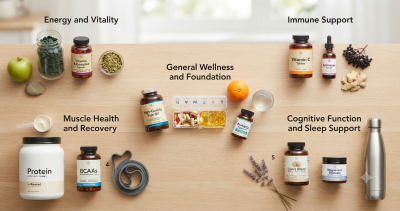
Every individual has unique wellness priorities, making personalized supplement selection especially important. Adults focused on cardiovascular health may prefer higher EPA concentrations. Those supporting cognitive function often benefit from increased DHA content. People concerned about bone health may appreciate formulas including vitamin D3 and K2. Athletes frequently seek products supporting joint recovery and healthy inflammatory balance. Matching supplement ingredients with personal goals encourages consistent use while maximizing potential nutritional benefits alongside healthy lifestyle habits.
Lifestyle Habits That Maximize Long-Term Results
Supplements work most effectively when combined with healthy daily routines rather than replacing nutritious habits. Regular physical activity supports cardiovascular fitness and metabolic health. Eating balanced meals rich in vegetables, fruits, lean proteins, and healthy fats provides additional nutrients beyond supplementation. Managing stress, maintaining quality sleep, and staying hydrated further contribute to overall wellness. Avoiding smoking and limiting excessive alcohol consumption also supports heart, brain, and immune function while complementing the benefits of nutritional supplementation.
Making an Informed Choice for Better Health
Choosing a quality supplement requires thoughtful evaluation instead of relying solely on marketing claims. Research product ingredients, manufacturing standards, independent testing, and customer transparency before purchasing. Speak with healthcare professionals when managing chronic conditions or taking prescription medications. Building healthy habits alongside appropriate supplementation creates a stronger foundation for lifelong wellness. At Human Health Tips, we encourage evidence-based nutrition decisions that empower individuals across the United States to achieve their personal health goals confidently.
Frequently Asked Questions
Why should I take an omega-3 supplement with added vitamins?
Omega-3 supplements combined with vitamins may provide broader nutritional support for heart health, brain function, immune performance, and overall wellness than omega-3 alone.
What vitamins are commonly included with omega-3 supplements?
Many quality supplements include vitamins D3, E, A, or K2 because these nutrients complement omega-3 fatty acids and support multiple body systems.
How do I choose a high-quality omega-3 supplement?
Select products that provide clear EPA and DHA amounts, undergo third-party purity testing, follow Good Manufacturing Practices, and contain minimal unnecessary additives.
Where can I get omega-3 naturally besides supplements?
Fatty fish, flaxseeds, chia seeds, walnuts, hemp seeds, omega-3 enriched eggs, and certain fortified foods provide natural dietary sources of omega-3 fatty acids.
Why is third-party testing important for omega-3 supplements?
Independent testing verifies ingredient quality, confirms purity, and helps ensure products remain free from heavy metals, contaminants, and inaccurate labeling.
COMMENTS
What’s up friends, good post and good urging commented at this
place, I am in fact enjoying by these.
I am fine, thank you!