
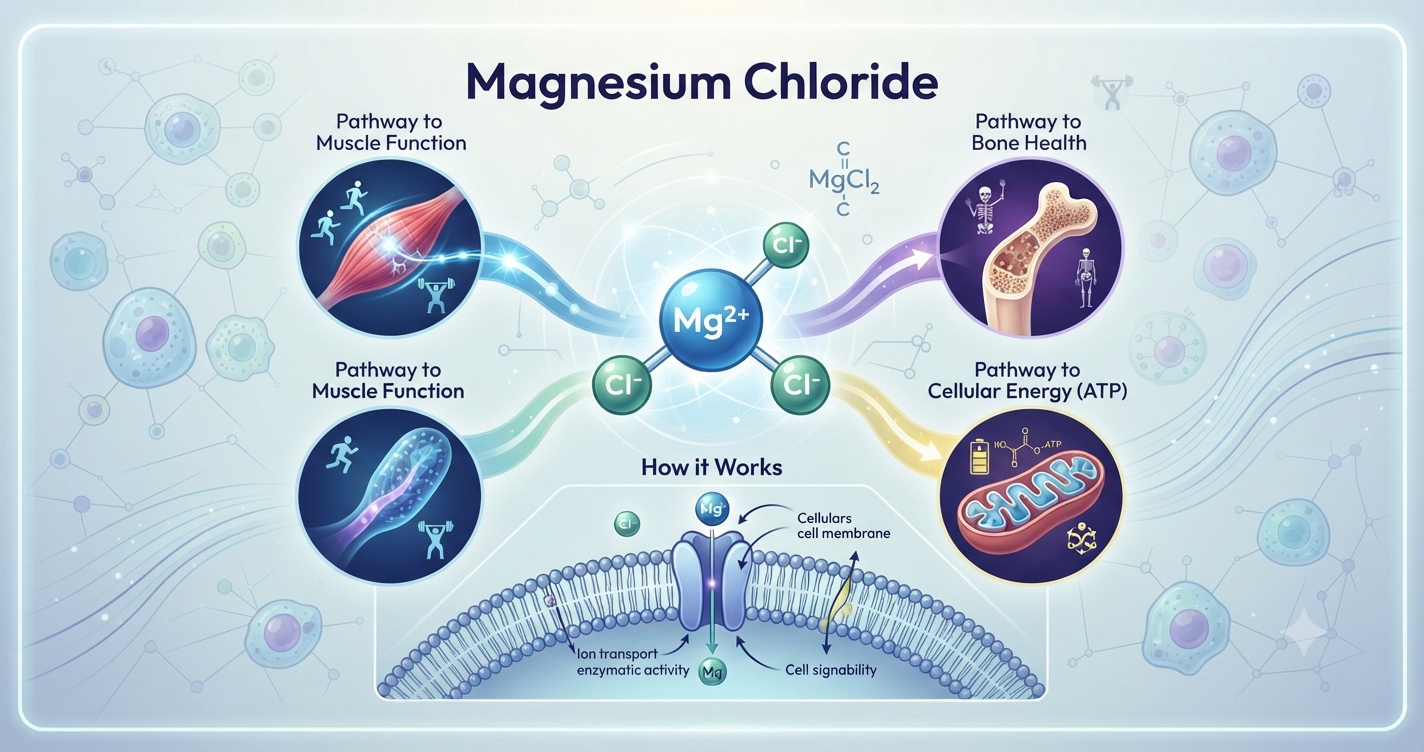
Magnesium plays a critical role in maintaining overall health because it supports more than 300 enzymatic reactions throughout the body. Among the man
Magnesium plays a critical role in maintaining overall health because it supports more than 300 enzymatic reactions throughout the body. Among the many available forms, magnesium chloride is recognized for its high bioavailability and efficient absorption. Understanding magnesium chloride benefits helps people make informed decisions about supporting their wellness through proper nutrition and supplementation. Research shows that adequate magnesium levels contribute to healthy skin, stronger bones, balanced muscle function, and normal cardiovascular performance. While magnesium chloride is not a cure for disease, it may help maintain essential body functions when combined with a healthy lifestyle and medical guidance.
Understanding Magnesium Chloride Benefits and How They Work
Magnesium chloride is a mineral compound consisting of magnesium and chloride ions. It dissolves quickly in water, allowing the body to absorb it more efficiently than some other magnesium forms. Healthcare professionals often recommend it for individuals with low magnesium levels because of its excellent bioavailability. Once absorbed, magnesium supports energy production, protein synthesis, nerve signaling, electrolyte balance, and muscle contraction. Scientific studies also indicate that maintaining optimal magnesium levels helps regulate numerous metabolic pathways. These essential functions explain why magnesium remains one of the body’s most important minerals for lifelong health.
Magnesium Chloride Benefits for Healthy and Glowing Skin
Healthy skin depends on hydration, collagen production, proper circulation, and controlled inflammation. Research suggests that magnesium supports these natural processes by helping regulate cellular repair and reducing oxidative stress caused by environmental factors. Some individuals also use topical magnesium chloride products after exercise to soothe tired muscles and support skin comfort. Although additional research continues regarding skin absorption, maintaining healthy magnesium levels through diet or supplementation supports overall skin health. Combined with sunscreen, hydration, nutritious foods, and consistent skincare habits, magnesium contributes to healthier and more resilient skin throughout every stage of life.
Daily Ways Magnesium Supports Healthy Skin
- Promotes proper skin hydration and moisture retention.
- Supports healthy collagen formation for skin elasticity.
- Helps reduce oxidative stress affecting skin cells.
- Encourages natural skin barrier protection.
- Supports healthy blood circulation beneath the skin.
- Assists normal cellular repair after environmental exposure.
Magnesium Chloride Benefits for Strong Bones and Joint Support
Bone health requires more than calcium alone because several nutrients work together to maintain skeletal strength. Magnesium contributes by regulating calcium transport and supporting vitamin D activation within the body. Clinical studies suggest that adequate magnesium intake is associated with improved bone mineral density and healthier bone metabolism. It also assists osteoblast activity, which supports new bone formation throughout adulthood. Individuals who consume magnesium-rich foods alongside calcium, vitamin D, and weight-bearing exercise may improve long-term bone health while supporting mobility and reducing age-related bone loss risks.
Magnesium Chloride Benefits for Heart Health

The cardiovascular system depends on balanced electrolytes to maintain healthy heart rhythm and blood vessel function. Magnesium chloride benefits include supporting normal electrical activity within the heart and encouraging healthy muscle contractions. Research has shown that magnesium helps relax blood vessels, promoting healthy circulation and supporting blood pressure already within the normal range. It also contributes to balanced potassium and calcium levels, which are essential for proper cardiac performance. When paired with regular exercise, a nutritious diet, and routine medical care, magnesium supports overall cardiovascular wellness.
Supporting Muscle Recovery and Physical Performance Naturally
Muscles rely on magnesium for contraction, relaxation, and energy production during physical activity. Individuals with inadequate magnesium intake may experience muscle fatigue more frequently after exercise. Maintaining sufficient magnesium levels supports efficient ATP production, allowing muscles to perform daily activities more effectively. Athletes often prioritize magnesium-rich foods because they help replenish minerals lost through sweat. Although magnesium supplements should not replace proper recovery practices, they may complement balanced nutrition, hydration, stretching, and adequate sleep to promote better physical performance and muscular comfort.
Why Magnesium Matters for Brain and Nervous System Function
The nervous system requires magnesium to regulate communication between nerve cells and neurotransmitters. This essential mineral helps maintain healthy nerve signaling while supporting normal brain function. Research suggests that adequate magnesium intake contributes to relaxation, improved stress management, and quality sleep by regulating neurological activity. Healthy magnesium status also supports concentration, learning, and cognitive performance throughout adulthood. While supplementation should never replace medical treatment for neurological disorders, maintaining recommended magnesium intake supports overall mental wellness and nervous system health.
Best Food Sources That Naturally Provide Magnesium

Whole foods remain the most reliable source of dietary magnesium because they also provide vitamins, fiber, antioxidants, and beneficial plant compounds. Excellent magnesium-rich foods include spinach, kale, pumpkin seeds, almonds, cashews, black beans, lentils, quinoa, brown rice, avocados, bananas, and dark chocolate. Fatty fish and whole grains also contribute valuable nutrients supporting overall health. Eating a colorful variety of minimally processed foods improves nutrient intake while reducing the likelihood of magnesium deficiency. Balanced dietary habits remain the foundation of long-term nutritional wellness for most healthy adults.
Choosing Quality Magnesium Chloride Supplements Safely
Supplement quality significantly influences both effectiveness and safety. Consumers should select products manufactured by reputable companies that undergo independent third-party testing for purity, potency, and ingredient accuracy. Reading supplement labels helps identify unnecessary fillers, allergens, or artificial additives. Healthcare professionals may recommend magnesium chloride when dietary intake alone does not meet individual needs. People with kidney disease, chronic medical conditions, or prescription medications should consult their healthcare provider before beginning supplementation. Responsible supplement use supports nutritional goals without replacing healthy eating habits or professional medical advice.
Scientific Evidence Supporting Magnesium Chloride Benefits
Extensive scientific research demonstrates magnesium’s involvement in hundreds of physiological processes affecting nearly every organ system. Clinical studies continue exploring its role in cardiovascular health, bone metabolism, muscle function, blood sugar regulation, and nervous system performance. Although ongoing research examines topical applications, oral magnesium chloride remains among the better-absorbed supplemental forms available today. Magnesium chloride benefits are strongest when deficiency exists or dietary intake remains inadequate. Researchers consistently emphasize that magnesium works best as part of an overall healthy lifestyle rather than an isolated wellness solution.
Lifestyle Habits That Improve Magnesium Absorption

Healthy daily habits influence how efficiently the body absorbs and utilizes magnesium. Eating balanced meals with vegetables, lean protein, healthy fats, and whole grains supports optimal nutrient metabolism. Maintaining healthy vitamin D levels further enhances mineral balance and bone health. Limiting excessive alcohol intake and reducing highly processed foods may also preserve magnesium stores over time. Regular physical activity, proper hydration, stress management, and quality sleep contribute to overall metabolic efficiency. These evidence-based habits maximize nutritional benefits while supporting long-term health and wellness naturally.
Building Lifelong Wellness Through Better Nutrition
Long-term health develops through consistent daily choices instead of quick solutions or temporary trends. A balanced eating pattern, regular exercise, sufficient sleep, hydration, and preventive healthcare create the strongest foundation for overall wellness. Magnesium supports these healthy habits by contributing to essential body functions that influence energy, muscles, bones, skin, and cardiovascular performance. At Human Health Tips, we believe reliable, research-based information empowers readers to make informed decisions that support healthier lifestyles for themselves and their families across every stage of life.
Frequently Asked Questions
Why is magnesium chloride considered highly absorbable?
Magnesium chloride dissolves easily in water, allowing efficient absorption through the digestive system. Its high bioavailability helps the body utilize magnesium effectively for numerous physiological functions.
What are the common signs of magnesium deficiency?
Common symptoms may include muscle cramps, fatigue, weakness, poor sleep, irregular heartbeat, loss of appetite, and muscle twitching. A healthcare provider should confirm deficiency through proper evaluation.
How does magnesium chloride support heart health?
Magnesium helps regulate electrical signals controlling heartbeat, supports healthy blood vessel relaxation, and maintains electrolyte balance. These functions contribute to normal cardiovascular performance and circulation.
Where can you naturally get more magnesium?
You can obtain magnesium from spinach, pumpkin seeds, almonds, black beans, quinoa, avocados, whole grains, bananas, dark chocolate, and other nutrient-rich whole foods.
How should magnesium chloride supplements be taken?
Always follow the dosage recommended by your healthcare provider or the product label. Avoid excessive intake, especially if you have kidney disease or take medications that may interact with magnesium supplements.
COMMENTS