
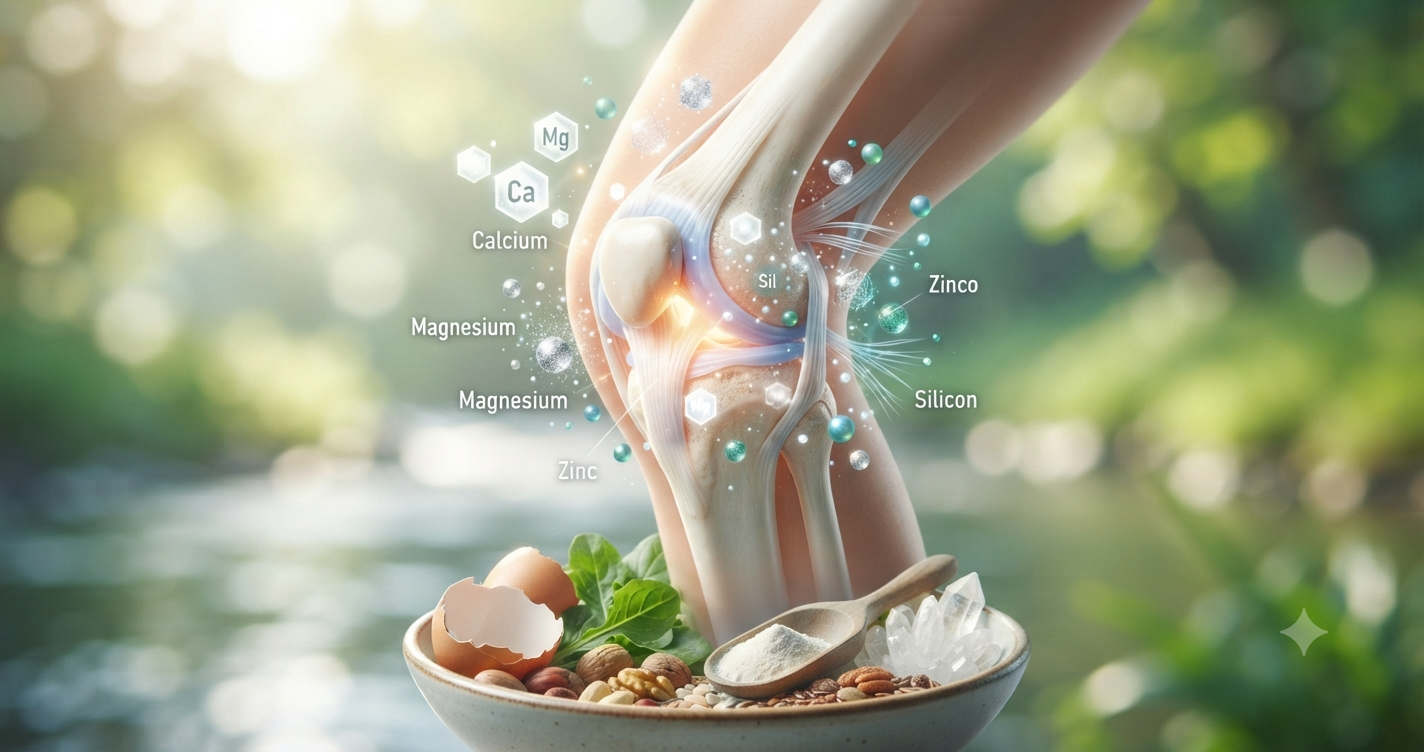
Healthy joints support every movement you make, from walking and climbing stairs to exercising and maintaining an active lifestyle. While aging natura
Healthy joints support every movement you make, from walking and climbing stairs to exercising and maintaining an active lifestyle. While aging naturally affects joint function, nutrition plays a vital role in preserving flexibility, cartilage strength, and bone integrity. Research suggests that consuming the right nutrients for joint health may help support connective tissues, reduce inflammation, and promote long-term mobility. Human Health Tips encourages individuals across the United States to understand how evidence-based dietary choices contribute to healthier joints while complementing regular physical activity and professional medical care.
Why Nutrients for Joint Health Matter Throughout Life
Joints experience continuous stress from daily movement, exercise, and body weight. Over time, cartilage naturally wears down, while muscles, ligaments, and tendons may lose strength if nutritional needs remain unmet. Scientific research shows that vitamins, minerals, healthy fats, and protein collectively support joint structures by maintaining cartilage, reducing oxidative stress, and strengthening surrounding tissues.
Adequate nutrition becomes even more important after age 40, when natural collagen production begins declining. Combined with healthy weight management and regular movement, a nutrient-rich diet helps maintain mobility, reduce stiffness, and support overall musculoskeletal wellness. Preventive nutrition benefits adults of every age, especially those with physically demanding lifestyles.
Essential Nutrients for Joint Health That Support Strong Cartilage

Cartilage functions as the protective cushion between bones. Without sufficient nutritional support, this connective tissue becomes more vulnerable to everyday wear. Several nutrients contribute directly to cartilage maintenance and repair while supporting healthy joint lubrication.
Vitamin C promotes collagen synthesis, forming the structural framework of cartilage. Protein provides amino acids necessary for tissue. Copper and manganese participate in connective tissue formation, while zinc supports cellular healing. Together, these nutrients help preserve cartilage resilience and maintain smoother joint movement. Including these essential nutrients consistently through balanced meals supports long-term joint comfort and flexibility.
Key Food Sources That Naturally Support Healthy Joints
- Fatty fish provide omega-3 fatty acids.
- Citrus fruits deliver abundant vitamin C for collagen production.
- Leafy green vegetables supply vitamin K, magnesium, and antioxidants.
- Dairy products include calcium and vitamin D.
- Healthy fats, magnesium, and vitamin E from nuts and seeds.
- Beans and lentils offer plant protein and essential minerals.
- Eggs contain protein and several important micronutrients.
- Colorful berries provide powerful antioxidants that help reduce oxidative stress.
Nutrients for Joint Health and the Role of Omega-3 Fatty Acids
Among the most researched dietary components supporting joint wellness are omega-3 fatty acids. These healthy fats, primarily EPA and DHA, possess anti-inflammatory properties that may help support individuals experiencing occasional joint discomfort. Research published in nutrition and rheumatology journals suggests omega-3 intake supports healthy inflammatory responses throughout the body.
Cold-water fish remains the richest dietary source, although walnuts, flaxseed, and chia seeds also contribute plant-based omega-3 fats. While plant sources contain ALA rather than EPA and DHA, they still provide nutritional benefits when incorporated regularly into balanced eating patterns. Consistent intake may complement other healthy lifestyle habits supporting joint mobility.
Vitamins That Help Protect Bones and Connective Tissue
Healthy joints depend on strong bones and resilient connective tissues. Vitamin D improves calcium absorption while supporting bone density and muscle performance. Insufficient vitamin D levels may contribute to weakened skeletal health and reduced physical function.
Vitamin K assists in proper bone mineralization, while vitamin E functions as an antioxidant that protects cells from free radical damage. Vitamin C remains especially important because collagen constitutes much of cartilage, ligaments, and tendons. Together, these vitamins work synergistically to preserve structural integrity, allowing joints to function efficiently during everyday activities and recreational exercise.
Minerals Supporting Joint Strength and Flexibility
Minerals perform countless biochemical functions essential for musculoskeletal health. Calcium remains fundamental for maintaining bone strength and reducing fracture risk. Magnesium supports muscle relaxation and assists hundreds of enzyme reactions involved in energy production and tissue maintenance.
Manganese includes to cartilage formation, while selenium helps defend cells against oxidative damage through antioxidant enzymes. Zinc supports wound healing and protein synthesis necessary for tissue repair. Although required in relatively small amounts, these minerals collectively strengthen the body’s natural maintenance processes that protect joints throughout adulthood.
How Protein and Collagen Support Joint Function
Protein serves as the building material for muscles, tendons, ligaments, and cartilage. Without sufficient dietary protein, the body’s ability to repair tissues declines, particularly after exercise or injury. Lean poultry, seafood, dairy products, beans, and soy foods provide excellent protein sources supporting musculoskeletal health.
Collagen peptides have attracted growing scientific interest because collagen represents the primary structural protein within cartilage. Emerging research suggests collagen supplementation, alongside adequate vitamin C intake, may support joint comfort in certain adults. While more studies continue, maintaining adequate protein intake remains one of the most established nutritional strategies for preserving healthy joints.
Antioxidants That Help Reduce Oxidative Stress
Oxidative stress develops when free radicals outnumber the body’s natural antioxidant defenses. This imbalance may contribute to cellular damage affecting cartilage and surrounding tissues over time. Diets rich in antioxidants help neutralize these unstable molecules while supporting healthy aging.
Colorful fruits and vegetables provide polyphenols, flavonoids, carotenoids, and vitamin C. Blueberries, cherries, spinach, kale, tomatoes, and bell peppers offer particularly high antioxidant concentrations. Regularly consuming a wide variety of plant foods supports overall joint wellness while contributing numerous additional cardiovascular and metabolic health benefits recognized by nutritional research.
Nutrients for Joint Health Through an Anti-Inflammatory Eating Pattern
Instead of relying on individual foods, researchers increasingly recommend following an overall anti-inflammatory dietary pattern. Mediterranean-style eating consistently demonstrates positive associations with improved joint function and overall health outcomes. This approach emphasizes vegetables, fruits, whole grains, legumes, seafood, nuts, seeds, olive oil, and lean proteins.
Limiting ultra-processed foods, sugary beverages, excessive sodium, and saturated fats may further support healthy inflammatory responses. Balanced dietary patterns provide multiple nutrients working together rather than isolated compounds alone. Sustainable eating habits generally produce greater long-term benefits than short-term restrictive diets or nutrition trends.
Lifestyle Habits That Maximize Nutritional Benefits

Nutrition produces the greatest results when combined with healthy daily habits. Maintaining a healthy body weight reduces mechanical stress placed on knees, hips, ankles, and the spine. Regular low-impact exercise strengthens muscles supporting joint stability while improving flexibility and circulation.
Adequate hydration contributes to overall tissue health, while quality sleep allows the body sufficient time for recovery and repair. Avoiding smoking and limiting excessive alcohol consumption also supports connective tissue integrity. Together, these evidence-based lifestyle choices complement nutritional strategies that promote lifelong joint function and comfortable movement.
Choosing Supplements Wisely With Professional Guidance
Diet should remain the primary source of essential nutrients whenever possible. However, healthcare professionals may recommend supplements when laboratory testing or dietary limitations indicate deficiencies. Common supplements include vitamin D, calcium, omega-3 fish oil, collagen peptides, and glucosamine, although individual needs vary considerably.
Before beginning any supplement regimen, consult a qualified healthcare provider or registered dietitian. Some supplements interact with prescription medications or existing medical conditions. Professional guidance ensures appropriate dosing while avoiding unnecessary products lacking strong scientific evidence. Personalized recommendations provide safer, more effective nutritional support than self-prescribing multiple supplements.
Building Daily Meals Around Nutrients for Joint Health
Creating balanced meals simplifies long-term nutritional success. Aim to include lean protein, colorful vegetables, whole grains, healthy fats, and calcium-rich foods throughout the day. For example, breakfast may include Greek yogurt with berries and walnuts, while lunch features grilled salmon over leafy greens with olive oil dressing. Dinner could include roasted vegetables, quinoa, and lean chicken.
Planning meals around whole foods naturally increases fiber, antioxidants, vitamins, and minerals without excessive calories. Human Health Tips recommends focusing on consistency instead of perfection, allowing sustainable dietary habits to support lifelong joint health alongside regular physical activity and preventive healthcare.
Frequently Asked Questions
Why are nutrients important for maintaining healthy joints?
Nutrients provide the building blocks for cartilage, bones, muscles, ligaments, and connective tissues. They also support healthy inflammatory responses, collagen production, and tissue repair, helping preserve joint function throughout life.
What foods naturally contain the best nutrients for joint support?
Fatty fish, leafy greens, berries, citrus fruits, dairy products, nuts, seeds, beans, whole grains, and lean proteins supply many vitamins, minerals, antioxidants, healthy fats, and amino acids associated with joint wellness.
How long does nutrition take to improve joint health?
Nutritional improvements generally develop gradually over several weeks or months. Consistent healthy eating combined with exercise, weight management, and medical guidance offers the greatest long-term benefits for joint function.
Where can adults in the United States find reliable joint nutrition guidance?
Registered dietitians, licensed healthcare providers, reputable medical organizations, and trusted educational resources such as Human Health Tips provide evidence-based information tailored to individual health needs and lifestyle goals.
Why should supplements never replace a balanced diet?
Whole foods provide complex combinations of vitamins, minerals, fiber, antioxidants, and healthy fats that work together naturally. Supplements may help address specific deficiencies but cannot fully replace the nutritional value of a balanced diet.
COMMENTS