
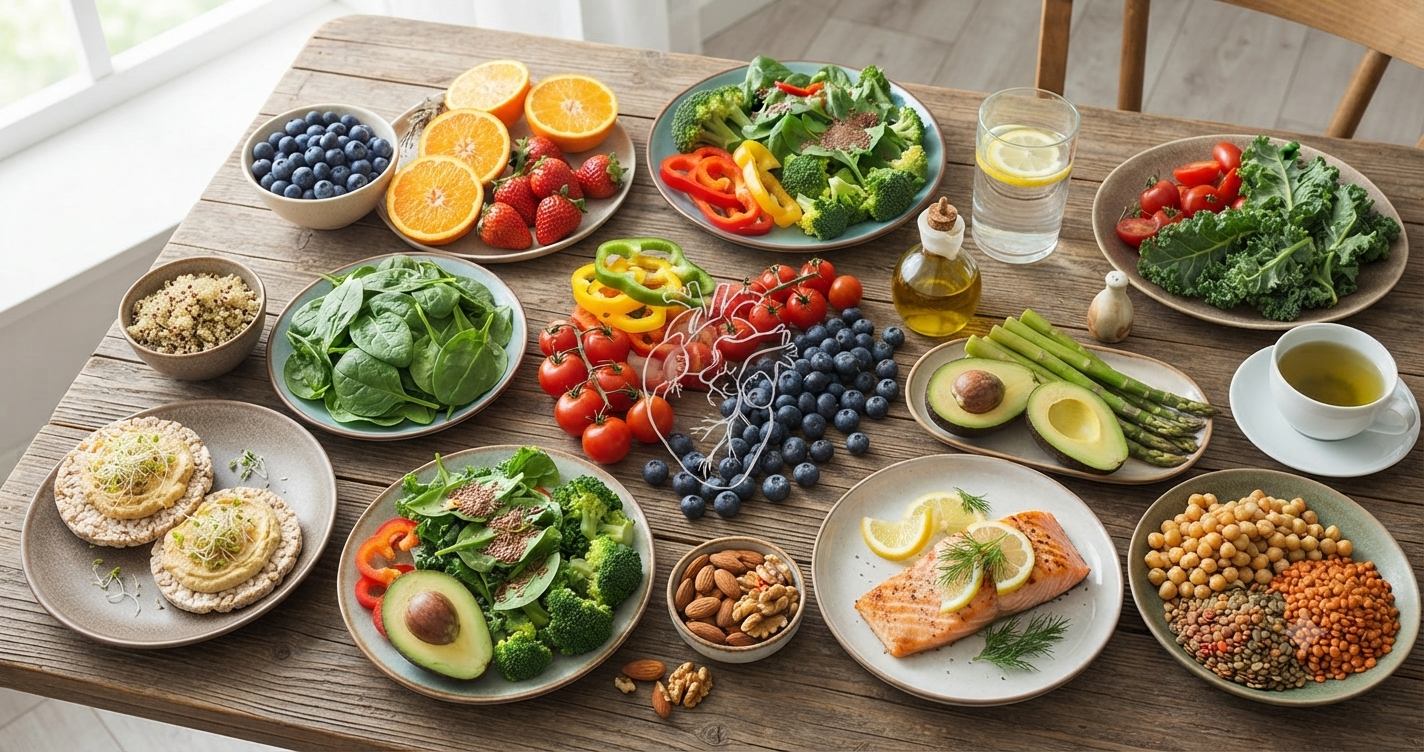
High blood pressure affects millions of Americans and increases the risk of heart disease, stroke, and kidney problems. Following a balanced eating pa
High blood pressure affects millions of Americans and increases the risk of heart disease, stroke, and kidney problems. Following a balanced eating pattern can naturally support healthier blood pressure levels while improving overall wellness. This 7-day diet plan for high blood pressure combines nutrient-rich foods, portion control, and heart-friendly ingredients supported by current nutrition research. We encourage sustainable dietary habits instead of restrictive diets. This guide is designed for the USA audience and includes practical meal ideas, evidence-based recommendations, and foods that support cardiovascular health while fitting into everyday lifestyles.
Why a 7-Day Diet Plan for High Blood Pressure Improves Heart Health
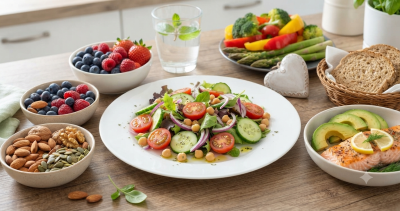
Research consistently shows that healthy dietary patterns significantly reduce hypertension risk. The DASH (Dietary Approaches to Stop Hypertension) eating plan remains one of the most recommended approaches by healthcare professionals. It emphasizes fruits, vegetables, whole grains, lean proteins, low-fat dairy, beans, nuts, and healthy fats. These foods naturally provide potassium, magnesium, calcium, fiber, and antioxidants that help regulate blood pressure. Reducing sodium intake while increasing nutrient-dense foods creates measurable improvements in cardiovascular health. Consistency matters more than perfection because long-term eating habits deliver lasting results.
Nutrition Principles Behind the 7-Day Diet Plan for High Blood Pressure
Before following any meal schedule, understanding nutritional priorities makes healthier choices easier. Most adults benefit from limiting processed foods because they contain excessive sodium and unhealthy fats. Replacing refined carbohydrates with whole grains helps stabilize blood sugar while supporting heart function. Healthy fats from olive oil, avocados, seeds, and fatty fish reduce inflammation and improve cholesterol balance. Some people also enjoy Olive Oil and Lemon Juice as a simple dressing for salads, making it easier to include heart-friendly fats in daily meals. Adequate hydration also supports healthy circulation. Combining these evidence-based principles with regular physical activity strengthens cardiovascular health and helps maintain healthy blood pressure over time.
Day 1: Focus on Potassium-Rich Foods
- Start breakfast with oatmeal, bananas, and unsalted walnuts.
- Enjoy grilled chicken with quinoa and spinach for lunch.
- Snack on plain yogurt with fresh berries.
- Eat baked salmon with roasted broccoli for dinner.
- Drink plenty of water throughout the day.
- Avoid sugary beverages and processed snacks.
Day 2: Increase Fiber for Better Blood Pressure Control
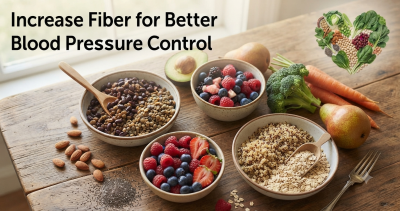
Dietary fiber supports heart health by improving cholesterol levels and maintaining healthy digestion. Begin the morning with whole-grain toast, avocado, and boiled eggs. Lunch can include a mixed bean salad with cucumbers, tomatoes, olive oil, and lemon dressing. Fresh apples with unsalted almonds provide a satisfying afternoon snack. Dinner may feature grilled turkey breast with brown rice and steamed green beans. High-fiber foods also improve fullness, making healthy weight management easier, which further contributes to healthier blood pressure.
Day 3: Prioritize Heart-Healthy Proteins
- Choose skinless chicken or turkey.
- Include salmon or trout twice weekly.
- Eat beans and lentils regularly.
- Select low-fat dairy products.
- Replace processed meats with fresh protein sources.
- Limit fried foods whenever possible.
Day 4: Choose Foods Rich in Magnesium and Calcium
Magnesium and calcium contribute to healthy muscle function, including blood vessel relaxation. Breakfast can include Greek yogurt topped with berries and pumpkin seeds. Lunch may feature grilled tofu, quinoa, and roasted vegetables. Snack on sliced pears with low-fat cheese before dinner. Finish the day with baked cod, steamed asparagus, and sweet potatoes. These foods naturally contain minerals that complement potassium in supporting cardiovascular health. Choosing minimally processed ingredients also reduces hidden sodium consumption throughout the day.
Day 5: Reduce Sodium Without Sacrificing Flavor
Many packaged foods contain surprising amounts of sodium. Instead of relying on salt, season meals with garlic, onion, basil, rosemary, parsley, oregano, turmeric, black pepper, and fresh lemon juice. Breakfast may include vegetable egg whites with whole-grain toast. Lunch can feature grilled shrimp over leafy greens with olive oil vinaigrette. Snack on cucumber slices with hummus before enjoying grilled chicken alongside roasted Brussels sprouts for dinner. Small seasoning changes often produce significant long-term improvements in heart health.
Day 6: Include Healthy Fats Every Day
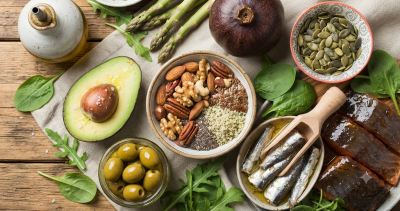
Healthy fats improve cholesterol balance while reducing inflammation associated with cardiovascular disease. Breakfast may include whole-grain cereal with low-fat milk and blueberries. Lunch can feature grilled tuna over mixed greens with avocado slices. Snack on pistachios before enjoying baked turkey meatballs with whole-wheat pasta and tomato sauce. Extra virgin olive oil remains one of the healthiest cooking oils because it contains beneficial monounsaturated fats and plant antioxidants. Balanced fat intake supports long-term cardiovascular wellness without unnecessary calorie excess.
Foods to Limit During the Week
- Processed meats and sausages
- Salty snack foods
- Sugary desserts
- Fast food meals
- Canned soups with added sodium
- Sweetened beverages
- Fried foods
- Excess alcohol consumption
Day 7: Maintain Long-Term Healthy Eating Habits
The final day focuses on reinforcing sustainable routines instead of temporary dieting. Breakfast can include fresh fruit, oatmeal, and chia seeds. Lunch may feature grilled chicken with brown rice and colorful vegetables. Snack on oranges and unsalted sunflower seeds during the afternoon. Dinner can include grilled salmon, quinoa, and roasted vegetables prepared with olive oil. Following this 7-day diet plan for high blood pressure consistently helps build healthier eating habits while supporting long-term heart health. Sustainable changes remain more effective than restrictive eating patterns.
Smart Lifestyle Habits With 7-Day Diet Plan for High Blood Pressure
Nutrition works best when combined with healthy lifestyle choices. Regular aerobic exercise improves circulation and strengthens the heart. Quality sleep supports hormone balance and cardiovascular recovery. Stress management through meditation, walking, or deep breathing may also contribute to healthier blood pressure levels. Smoking cessation remains one of the most important steps for protecting heart health. Combining these habits with a balanced meal plan produces better outcomes than relying on diet alone.
Common Mistakes That Can Raise Blood Pressure
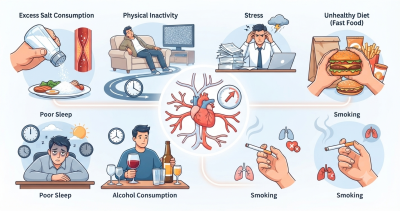
Many individuals unknowingly consume excessive sodium through frozen meals, restaurant foods, sauces, and packaged snacks. Skipping breakfast may encourage unhealthy food choices later in the day. Drinking excessive sugary beverages increases calorie intake without meaningful nutrition. Large portion sizes also contribute to weight gain, increasing cardiovascular strain. Reading nutrition labels helps identify hidden sodium and added sugars. Following the 7-day diet plan for high blood pressure while avoiding these common mistakes supports healthier blood pressure management and overall cardiovascular wellness.
Building a Heart-Healthy Routine Beyond Seven Days
A seven-day meal plan serves as an excellent starting point rather than a temporary solution. Continue choosing colorful vegetables, seasonal fruits, lean proteins, whole grains, legumes, nuts, and healthy fats every week. Staying properly hydrated is equally important because Dehydration Cause High Blood Pressure is a concern supported by research, making adequate water intake an essential part of a heart-healthy lifestyle. Rotate meal options to maintain variety while preventing boredom. Preparing meals at home allows greater control over ingredients and sodium intake.
Frequently Asked Questions
Why is the DASH diet recommended for high blood pressure patients?
The DASH diet emphasizes nutrient-rich foods that naturally provide potassium, magnesium, calcium, and fiber while limiting sodium. Research consistently shows it helps lower blood pressure and supports long-term heart health.
What foods should I avoid during a 7-day diet plan for high blood pressure?
Limit processed meats, canned soups, salty snacks, fast foods, sugary beverages, fried foods, and packaged meals because they often contain excessive sodium, unhealthy fats, and added sugars.
How quickly can healthy eating improve blood pressure?
Some individuals notice improvements within two to four weeks when combining healthy eating, regular exercise, weight management, and reduced sodium intake. Results vary depending on overall health and lifestyle.
Where can I find heart-healthy ingredients in the USA?
Most supermarkets, farmers’ markets, warehouse clubs, and grocery stores across the USA offer fresh fruits, vegetables, whole grains, lean proteins, low-fat dairy products, nuts, seeds, and healthy oils suitable for heart-friendly meals.
Why should potassium-rich foods be included in a blood pressure diet?
Potassium helps balance sodium levels, supports healthy blood vessel function, and contributes to normal blood pressure regulation. Foods like bananas, spinach, sweet potatoes, beans, and avocados are excellent dietary sources.
COMMENTS