
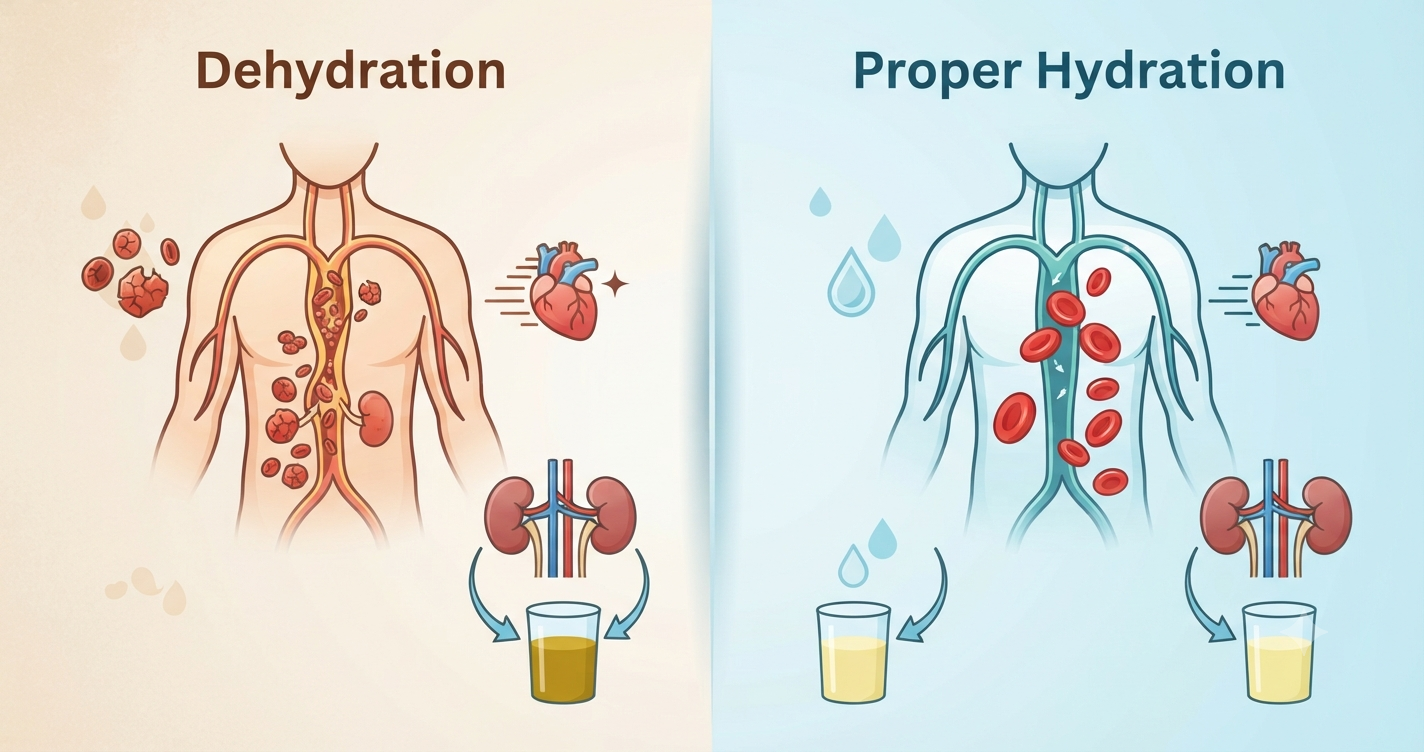
Water plays a vital role in every function of the human body, including circulation, heart function, and temperature regulation. Many people wonder, d
Water plays a vital role in every function of the human body, including circulation, heart function, and temperature regulation. Many people wonder, does dehydration cause high blood pressure when they experience headaches, dizziness, or elevated blood pressure readings after not drinking enough fluids. Research suggests that dehydration can temporarily influence blood pressure by reducing blood volume and triggering hormonal responses that narrow blood vessels. This content explains the science behind hydration, cardiovascular health, and practical prevention strategies to help readers make informed wellness decisions. Understanding these connections supports healthier daily habits and encourages timely medical evaluation when symptoms persist.
Does Dehydration Cause High Blood Pressure? Understanding the Connection
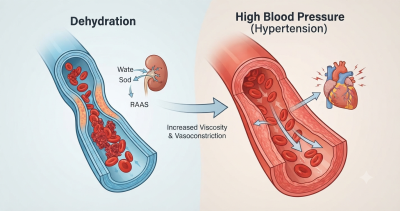
Many health experts recognize hydration as a key factor in maintaining cardiovascular balance. When the body loses more fluids than it replaces, blood volume gradually decreases. To compensate, the body releases hormones such as vasopressin and activates the renin-angiotensin-aldosterone system, causing blood vessels to constrict. This response helps preserve circulation but may temporarily increase blood pressure in some individuals. Studies also indicate that dehydration places additional stress on the heart because it must pump thicker, more concentrated blood throughout the body. While dehydration does not always cause hypertension, it can contribute to short-term blood pressure fluctuations.
How Hydration Supports Healthy Blood Pressure Levels
Proper hydration helps the circulatory system work efficiently by maintaining adequate blood volume and supporting normal vessel function. Water allows nutrients and oxygen to travel smoothly throughout the body while helping regulate body temperature and kidney function. When hydration remains consistent, the heart expends less effort pumping blood. Adequate fluid intake also supports electrolyte balance, including sodium and potassium levels that influence cardiovascular performance. Research published by respected medical organizations continues to emphasize hydration as an essential component of overall heart health alongside regular exercise, balanced nutrition, and healthy sleep habits.
Signs That Your Body May Be Dehydrated
Recognizing dehydration early helps prevent unnecessary health complications. Common symptoms often appear gradually and become more noticeable as fluid loss increases.
- Persistent thirst throughout the day.
- Dry mouth and cracked lips.
- Dark yellow or amber-colored urine.
- Reduced frequency of urination.
- Fatigue and unusual weakness.
- Headaches or lightheadedness.
- Rapid heartbeat during normal activity.
- Muscle cramps after exercise.
- Dry skin with reduced elasticity.
- Difficulty concentrating or mental fog.
These signs may allow dehydration to worsen, increasing strain on multiple body systems.
Common Causes of Dehydration in Adults

Daily activities and environmental conditions contribute significantly to fluid loss. Hot weather increases sweating, while intense exercise accelerates water and electrolyte depletion. Illnesses involving fever, vomiting, or diarrhea also remove substantial amounts of fluid from the body. Certain medications, including diuretics, encourage increased urination and may elevate dehydration risk. Older adults frequently experience reduced thirst sensation, making adequate hydration more challenging. High caffeine or alcohol consumption can further contribute to fluid imbalance when not accompanied by sufficient water intake. Understanding these causes helps individuals develop healthier hydration habits before symptoms develop.
Does Dehydration Cause High Blood Pressure in Every Person?
The answer varies depending on overall health, age, medications, and existing cardiovascular conditions. Healthy individuals often experience temporary changes that normalize after drinking fluids. However, people with chronic hypertension, kidney disease, diabetes, or heart disease may respond differently. Medical researchers explain that dehydration activates compensatory mechanisms intended to preserve blood flow to vital organs. These responses may elevate blood pressure for some people while causing low blood pressure in others due to reduced circulating blood volume. Individual differences explain why healthcare providers evaluate hydration alongside broader cardiovascular assessments rather than relying on a single symptom.
Hormones That Influence Blood Pressure During Dehydration
The human body uses several sophisticated hormonal systems to maintain circulation during periods of fluid shortage. Vasopressin encourages the kidneys to conserve water, reducing urine production and helping maintain blood pressure. The renin-angiotensin-aldosterone system narrows blood vessels and promotes sodium retention, allowing the body to preserve fluid. Meanwhile, adrenaline may increase heart rate during physical stress caused by dehydration. These natural protective mechanisms demonstrate how closely hydration, kidney function, hormonal regulation, and cardiovascular performance remain connected. Understanding these biological processes explains why hydration significantly affects temporary blood pressure changes.
Individuals With Higher Risk of Dehydration
Certain populations require additional attention because dehydration develops more quickly or creates greater health risks.
- Older adults with reduced thirst sensation.
- Young children who lose fluids rapidly.
- Athletes participating in endurance sports.
- Outdoor workers exposed to high temperatures.
- People with diabetes experiencing excessive urination.
- Individuals taking diuretic medications.
- Patients recovering from gastrointestinal illnesses.
- People living in hot, dry climates.
- Individuals with chronic kidney conditions.
- Anyone recovering from prolonged fever.
These groups benefit from proactive hydration strategies and regular monitoring during periods of increased fluid loss.
Symptoms That May Accompany Temporary Blood Pressure Changes

Blood pressure fluctuations caused by dehydration often occur alongside several noticeable symptoms. Individuals may experience dizziness when standing, increased heart rate, headaches, unusual fatigue, blurred vision, and reduced physical endurance. Some people notice confusion or decreased concentration during moderate dehydration. Severe fluid loss may produce fainting, rapid breathing, cold extremities, and reduced urine output requiring immediate medical attention. Healthcare professionals evaluate these symptoms together because dehydration affects multiple organs rather than blood pressure alone. Prompt fluid replacement usually improves mild symptoms before serious complications develop.
Research Findings About Hydration and Cardiovascular Health
Clinical research consistently highlights hydration as an important factor supporting normal cardiovascular function. Studies have shown that reduced plasma volume influences vascular resistance and activates hormonal pathways affecting blood pressure regulation. Medical experts also report that chronic inadequate hydration may negatively affect kidney function, which plays an essential role in long-term blood pressure control. Researchers continue exploring how hydration status influences cardiovascular disease risk, exercise performance, and metabolic health. Although more long-term studies are needed, current evidence strongly supports maintaining consistent daily hydration as part of a heart-healthy lifestyle.
Does Dehydration Cause High Blood Pressure During Exercise?
Body workout increases body temperature and sweat production, making dehydration more likely without proper fluid replacement. During strenuous activity, the heart works harder to deliver oxygen-rich blood to muscles. If significant fluid loss occurs, blood becomes more concentrated and the cardiovascular system compensates through vessel constriction and hormonal activation. This process may temporarily influence blood pressure in susceptible individuals. Athletes and physically active adults should drink fluids before, during, and after exercise while replacing electrolytes during prolonged activity. Appropriate hydration improves endurance, recovery, and overall cardiovascular efficiency.
Daily Habits That Help Prevent Dehydration
Healthy hydration involves more than drinking water only when thirsty. Consistent daily practices reduce dehydration risk throughout the year.
- Drink water regularly throughout the day.
- Increase fluids during hot weather.
- Carry a reusable water bottle.
- Eat fruits with high water content.
- Include vegetables rich in natural fluids.
- Replace fluids after exercise.
- Monitor urine color for hydration status.
- Limit excessive alcohol consumption.
- Balance caffeine intake with water.
- Follow healthcare guidance during illness.
Simple habits performed consistently provide lasting benefits for heart health and overall wellness.
When Should You Take Medical Care for Dehydration?
Most mild dehydration improves with oral fluids and rest, but certain symptoms require prompt medical evaluation. Persistent vomiting, severe diarrhea, confusion, chest pain, fainting, inability to drink fluids, or signs of heat stroke demand immediate attention. Individuals with heart disease, kidney disease, or uncontrolled hypertension should contact healthcare providers whenever dehydration symptoms accompany abnormal blood pressure readings. Medical professionals may perform blood tests, urine analysis, and cardiovascular assessments to identify underlying conditions contributing to fluid imbalance. Early treatment prevents serious complications affecting the heart, kidneys, and brain.
Frequently Asked Questions
Why does dehydration sometimes increase blood pressure?
Dehydration reduces blood volume, causing the body to release hormones that constrict blood vessels. This natural response may temporarily raise blood pressure in some individuals while maintaining circulation to essential organs.
What are the first signs of dehydration affecting the body?
Early symptoms include thirst, dry mouth, dark urine, fatigue, headaches, dizziness, reduced urination, and difficulty concentrating. Recognizing these signs early helps prevent more serious health complications.
How much water should adults drink every day?
Many adults benefit from approximately 2 to 3 liters of fluids daily, though healthcare providers may recommend different amounts for specific medical conditions.
Where does the body lose the most fluids?
The body primarily loses fluids through sweating, urination, breathing, and bowel movements. Exercise, hot weather, fever, vomiting, and diarrhea significantly increase fluid loss and hydration requirements.
Why is hydration important for long-term heart health?
Proper hydration supports healthy circulation, maintains blood volume, assists kidney function, balances electrolytes, and reduces unnecessary strain on the heart. These benefits contribute to overall cardiovascular wellness and healthier blood pressure regulation.
COMMENTS