
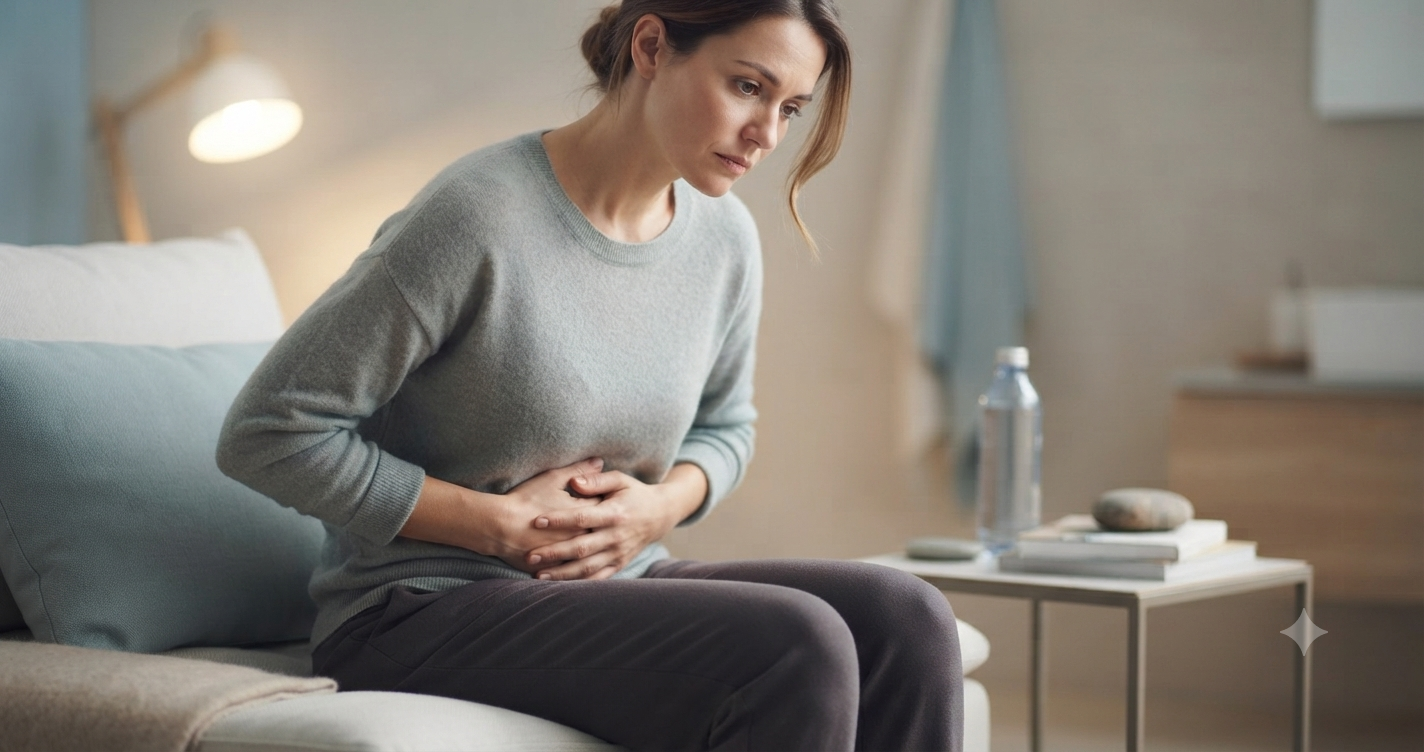
Constipation affects millions of Americans every year and often causes more than uncomfortable bowel movements. Many people wonder, can constipation c
Constipation affects millions of Americans every year and often causes more than uncomfortable bowel movements. Many people wonder, can constipation cause nausea when they experience stomach discomfort alongside infrequent stools. The answer is yes. Backed by medical research, constipation can slow digestive movement, leading to bloating, abdominal pressure, and nausea. Understanding the connection helps people recognize symptoms early and seek appropriate care. Human Health Tips believes that evidence-based education empowers healthier decisions. This guide explains the causes, symptoms, treatments, and prevention strategies while helping readers understand how digestive health influences overall well-being.
Understanding the Connection Between Constipation and Nausea
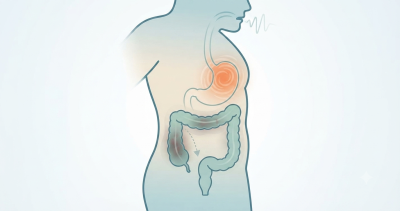
Many healthcare professionals recognize constipation as a condition that affects the entire digestive system. When stool remains in the colon longer than normal, excess water gets absorbed, making waste harder and more difficult to pass. This buildup increases pressure throughout the intestines and slows normal digestion.
As food moves more slowly through the digestive tract, stomach contents may empty at a reduced rate. This delay can trigger feelings of fullness, bloating, decreased appetite, and nausea. Research published by leading gastroenterology organizations shows that delayed intestinal transit frequently contributes to upper digestive symptoms alongside constipation, especially in adults with chronic digestive disorders.
Can Constipation Cause Nausea? Understanding the Digestive Process
The digestive tract functions as one continuous system from the stomach to the rectum. When constipation develops, the normal movement of food and waste slows considerably. This slowdown may affect the stomach, causing delayed gastric emptying and increased abdominal pressure.
Nausea occurs because the stomach and intestines communicate through nerves and hormones. Excess stool accumulation stretches the intestinal walls and stimulates nerve signals that may produce queasiness. In severe cases, constipation can even cause vomiting if intestinal blockage develops. Recognizing these warning signs helps patients seek medical attention before complications become serious.
Common Symptoms That May Appear Together
- Infrequent bowel movements
- Hard or dry stools
- Abdominal bloating
- Stomach cramps
- Nausea after eating
- Feeling overly full
- Reduced appetite
- Excessive gas
- Difficulty passing stool
- Fatigue and discomfort
Common Causes of Constipation That Lead to Digestive Discomfort

Constipation develops for numerous reasons, and identifying the underlying cause improves treatment success. Poor dietary habits are the leading contributors in the United States. Diets lacking dietary fiber reduce stool bulk and slow intestinal movement.
Dehydration also contributes because the colon absorbs additional water from stool when the body lacks sufficient fluids. Sedentary lifestyles further decrease bowel activity. Certain medications, including opioid pain relievers, antidepressants, and iron supplements, may also trigger constipation. Pregnancy, aging, diabetes, thyroid disorders, and neurological diseases increase the likelihood of chronic constipation and accompanying digestive symptoms.
Risk Factors That Increase Digestive Problems
Several lifestyle and medical factors increase the chances of experiencing constipation with nausea. Adults over age sixty commonly experience slower intestinal movement. Women also report constipation more frequently due to hormonal influences and pregnancy-related changes.
Additional risk factors include inadequate physical activity, excessive processed food consumption, chronic stress, and ignoring the urge to have bowel movements. People with irritable bowel syndrome, inflammatory bowel diseases, Parkinson’s disease, or hypothyroidism may experience recurring digestive symptoms. Identifying these contributing factors allows healthcare providers to recommend personalized treatment strategies.
How Stool Buildup Affects the Entire Digestive System
When stool accumulates inside the colon, pressure gradually increases throughout the abdomen. This pressure slows the movement of food through the stomach and small intestine. Digestion becomes less efficient, causing discomfort after meals and persistent fullness.
The intestinal microbiome may also become imbalanced during prolonged constipation. Changes in beneficial bacteria increase gas production and bloating while worsening abdominal discomfort. Researchers continue studying how gut bacteria influence nausea, inflammation, and overall digestive health. Maintaining regular bowel habits supports a healthier microbiome and more efficient digestive function.
Warning Signs That Require Medical Evaluation
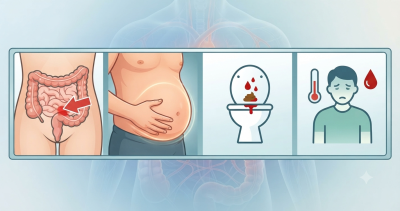
Although occasional constipation usually resolves with lifestyle improvements, certain symptoms require prompt medical attention. Severe abdominal pain accompanied by persistent nausea should never be ignored. These symptoms may indicate bowel obstruction or another serious medical condition.
Additional warning signs include vomiting, blood in the stool, unexplained weight loss, fever, inability to pass gas, or constipation remain longer than three weeks despite treatment. Individuals with a family history of colorectal cancer should discuss persistent bowel changes with their healthcare provider. Early evaluation often prevents more serious complications.
Research-Based Treatment Options for Relief
Medical treatment depends on the severity and underlying cause of constipation. Physicians often recommend increasing dietary fiber gradually while encouraging adequate hydration. Soluble and insoluble fiber improve stool consistency and promote healthier bowel movements.
Over-the-counter treatments include osmotic laxatives, stool softeners, fiber supplements, and stimulant laxatives when medically appropriate. Healthcare providers may prescribe newer medications for chronic idiopathic constipation if standard therapies fail. Studies consistently demonstrate that combining dietary improvements with regular exercise produces better long-term outcomes than medication alone for many patients.
Can Constipation Cause Nausea? Home Remedies That Support Recovery
Many people ask can constipation cause nausea because symptoms often improve together after bowel movements return to normal. Simple home remedies frequently provide effective relief for mild constipation without requiring prescription medications.
Drinking sufficient water throughout the day softens stool and improves intestinal movement. Increasing fruits, vegetables, legumes, whole grains, and healthy seeds boosts natural fiber intake. Walking for thirty minutes daily stimulates bowel contractions. Warm beverages, particularly in the morning, may encourage bowel activity. Establishing a consistent bathroom routine also supports healthier digestive function and reduces recurring symptoms.
Foods That Promote Healthy Digestion
Nutrition plays a central role in preventing constipation and supporting digestive wellness. High-fiber foods increase stool bulk while improving intestinal transit time. Most American adults consume significantly less fiber than recommended by dietary guidelines.
Excellent food choices include oats, apples, pears, berries, broccoli, spinach, beans, lentils, chia seeds, flaxseeds, brown rice, quinoa, sweet potatoes, and prunes. Fermented foods containing probiotics, such as yogurt and kefir, may also support healthy gut bacteria. Reducing highly processed foods and excessive saturated fats further improves digestive regularity for many individuals.
Lifestyle Habits That Reduce Future Constipation Episodes

Preventing constipation requires consistent daily habits rather than occasional dietary changes. Drinking enough fluids every day keeps stool softer and easier to pass. Regular physical activity strengthens intestinal muscle contractions and promotes consistent bowel movements.
Managing stress also benefits digestive function because the gut and brain remain closely connected. Sleeping adequately, responding promptly to natural bowel urges, and maintaining balanced meals contribute to long-term digestive health. Human Health Tips encourages sustainable lifestyle changes because small improvements often produce lasting digestive benefits without relying heavily on medications.
Long-Term Digestive Wellness Starts With Healthy Habits
Long-term digestive health depends on maintaining consistent nutrition, hydration, exercise, and medical follow-up when necessary. Individuals experiencing repeated digestive symptoms should monitor bowel patterns and identify possible triggers, including medications or dietary changes. Routine preventive healthcare helps identify underlying medical conditions before symptoms worsen, including serious conditions such as the 4 Stages of Appendicitis, which require prompt medical attention if suspected.
If you continue asking can constipation cause nausea, remember that recurring symptoms deserve professional evaluation rather than self-diagnosis. Most people achieve significant improvement through healthy lifestyle choices combined with evidence-based medical care. Supporting digestive wellness protects overall health, improves daily comfort, and enhances quality of life.
Frequently Asked Questions
Why does constipation sometimes make people feel nauseous?
Constipation slows digestive movement and increases abdominal pressure. The delayed movement of food may trigger nausea, bloating, stomach fullness, and reduced appetite until bowel function improves.
What foods help relieve constipation naturally?
Fiber-rich foods such as fruits, vegetables, whole grains, beans, lentils, chia seeds, flaxseeds, and prunes promote healthier bowel movements. Drinking enough water further improves their effectiveness.
How can I prevent constipation from returning?
Maintain adequate hydration, consume sufficient dietary fiber, exercise regularly, manage stress, and avoid delaying bowel movements. These habits support consistent digestive health over time.
Where should I seek medical care for persistent constipation?
Start with your primary healthcare provider or a gastroenterologist. Seek immediate medical attention if constipation occurs with severe abdominal pain, vomiting, blood in the stool, fever, or unexplained weight loss.
COMMENTS