
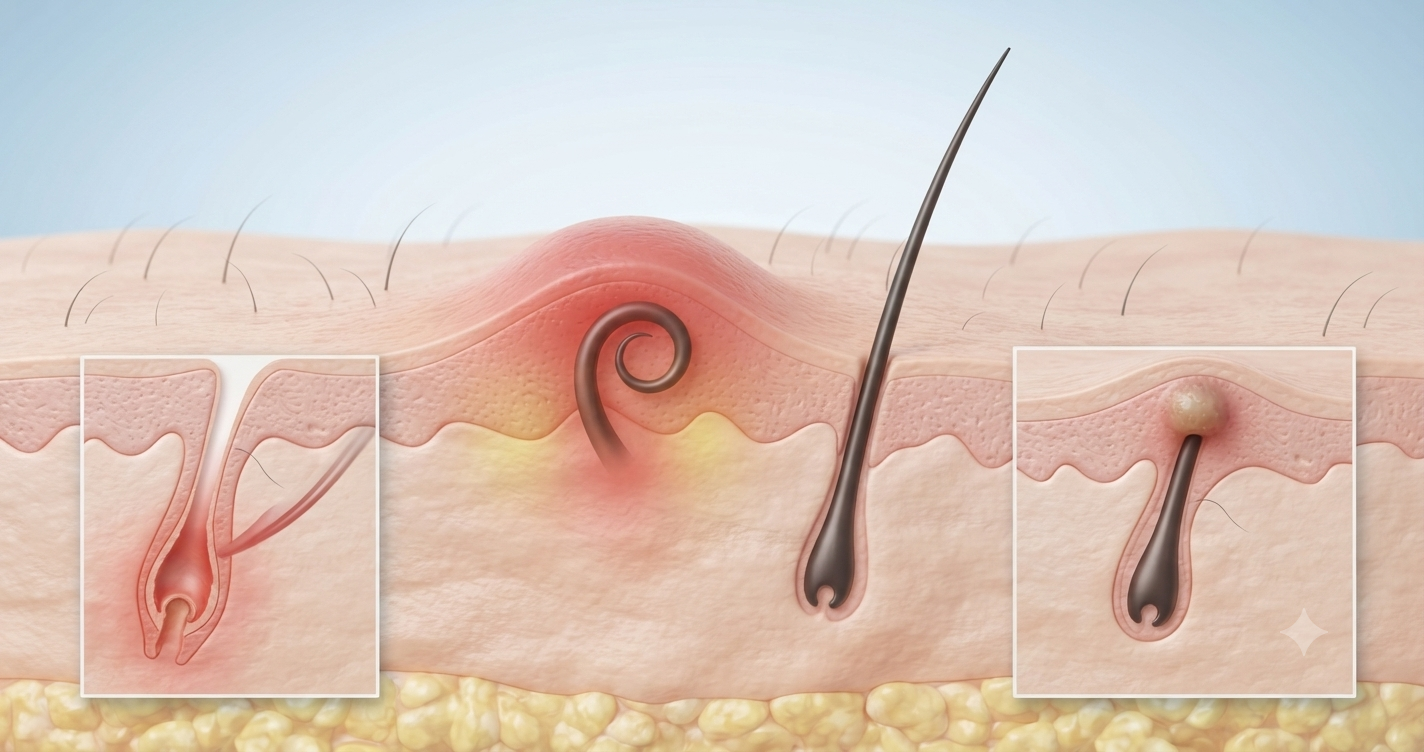
An ingrown hair bump is a common skin condition affecting millions of people across the United States. It develops when a hair curls back or grows sid
An ingrown hair bump is a common skin condition affecting millions of people across the United States. It develops when a hair curls back or grows sideways into the skin instead of emerging through the surface. This often triggers redness, swelling, discomfort, and sometimes infection. Although the condition usually resolves without serious complications, repeated episodes may leave scars or dark spots. In this article, we believe that understanding the causes and adopting proper skin care habits can significantly reduce future outbreaks. Research shows that shaving techniques, hair texture, and friction all influence the likelihood of developing this condition.
Understanding an Ingrown Hair Bump
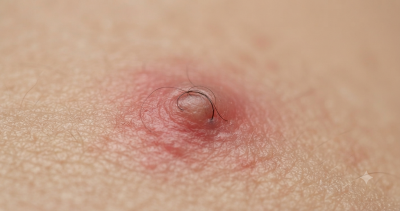
An ingrown hair occurs when a strand fails to exit the skin normally and instead penetrates nearby tissue. The body’s immune system recognizes the trapped hair as a foreign object, leading to inflammation. This process creates small raised bumps that may resemble pimples or acne lesions. Individuals with coarse, curly, or tightly curled hair are generally more susceptible because curved hair naturally bends back toward the skin. Dermatology research also indicates that frequent shaving, waxing, and tweezing increase the risk by altering the direction of hair growth and damaging hair follicles.
Common Causes of Ingrown Hair Bump Development
Several everyday habits contribute to the formation of these painful skin bumps. Hair removal remains the leading cause, especially when razors are dull or shaving occurs against the direction of hair growth. Tight clothing creates constant friction that pushes newly growing hairs beneath the skin surface. Dead skin cells can clog follicles, trapping hairs before they emerge properly. Individuals with curly hair often experience a higher incidence because naturally curved strands easily re-enter the skin. Poor exfoliation, excessive sweating, and repeated irritation further increase the likelihood of developing inflamed follicles.
Major Risk Factors
- Curly or coarse hair texture
- Frequent shaving with dull razors
- Waxing or tweezing repeatedly
- Tight clothing causing constant friction
- Clogged hair follicles from dead skin
- Lack of regular exfoliation
- Sensitive or acne-prone skin
- Excessive sweating after hair removal
- Improper shaving direction
- Previous history of folliculitis
Symptoms That Should Never Be Ignored
Symptoms often begin with a small red bump that gradually becomes tender and swollen. Some people notice itching before visible inflammation appears. As irritation increases, the bump may contain pus, creating a pimple-like appearance. Darker skin tones may develop post-inflammatory hyperpigmentation after healing. In more severe situations, multiple inflamed follicles appear together, producing significant discomfort. Persistent pain, warmth, and increasing redness may indicate bacterial infection requiring medical attention. Recognizing these warning signs early allows timely treatment and reduces the risk of long-term skin discoloration or permanent scarring.
Ingrown Hair Bump Diagnosis and Medical Evaluation
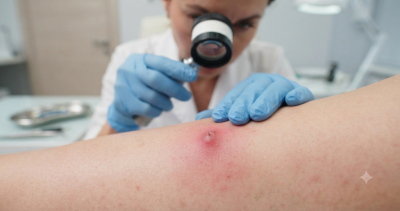
Most dermatologists diagnose this condition through a simple physical examination. The appearance, location, and recent hair removal history usually provide sufficient information. Laboratory testing is rarely necessary unless infection becomes severe or repeatedly returns. In chronic cases, healthcare professionals may examine the skin using magnification to identify trapped hairs beneath the surface. Occasionally, bacterial cultures help determine the most effective antibiotic if infection is suspected. Clinical evaluation also distinguishes ingrown hairs from acne, cysts, boils, skin abscesses, or other inflammatory skin disorders requiring different treatment approaches.
Effective Home Treatments for Faster Healing
Most mild cases improve with conservative home care within several days. Warm compresses soften the surrounding skin, allowing trapped hairs to emerge naturally. Gentle cleansing reduces bacteria while minimizing additional irritation. Mild exfoliation using chemical exfoliants containing salicylic acid or glycolic acid helps remove dead skin cells blocking follicles. Avoid squeezing or picking bumps because this increases inflammation and infection risk. Applying soothing moisturizers with aloe vera or niacinamide supports skin recovery. Patience remains essential because forcing hair removal can worsen tissue damage and delay the natural healing process.
Medical Treatments for Persistent Ingrown Hair Bump
When an ingrown hair bump becomes infected or repeatedly returns, professional treatment may be necessary. Dermatologists may prescribe topical antibiotics for bacterial infections and corticosteroid creams to reduce inflammation. Retinoid creams improve skin cell turnover, decreasing clogged follicles and preventing future episodes. Severe inflammation occasionally requires drainage under sterile conditions if a large abscess develops. Laser hair removal offers a long-term solution by reducing hair growth and minimizing recurrent follicle irritation. Clinical studies suggest laser therapy significantly lowers recurrence rates, particularly among individuals with thick, curly facial or body hair.
Prevention Strategies for Healthy Hair Growth
Preventing recurrence begins with improving daily grooming habits. Always shave after a warm shower when hair becomes softer and easier to cut. Use a sharp, clean razor and shave in the direction of natural hair growth instead of against it. Avoid stretching the skin while shaving because shortened hairs easily curl beneath the surface. Gentle exfoliation two or three times weekly removes dead skin and keeps follicles open. Moisturizing afterward strengthens the skin barrier while reducing irritation. Wearing loose-fitting clothing after hair removal also decreases friction and inflammation.
Lifestyle Habits That Support Skin Recovery
Healthy skin depends on consistent care beyond hair removal routines. Drinking adequate water helps maintain skin hydration. Consuming foods rich in vitamin C, vitamin E, zinc, and omega-3 fatty acids promotes collagen production and tissue repair. Managing chronic skin conditions like eczema or acne reduces overall inflammation that may complicate healing. Avoid sharing razors to minimize bacterial contamination. Replacing shaving blades regularly further lowers infection risk. At Human Health Tips, we encourage combining evidence-based skin care with healthy nutrition for lasting skin wellness.
Possible Complications Without Proper Care from Ingrown Hair Pump
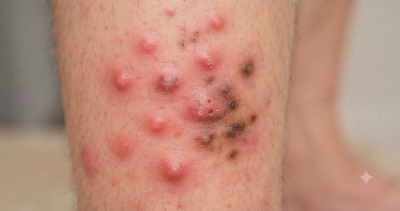
Ignoring persistent inflammation may lead to preventable complications. Repeated irritation can produce permanent scars or keloids, particularly in susceptible individuals. Secondary bacterial infections occasionally develop, causing painful boils or cellulitis requiring prescription medication. Chronic inflammation often leaves dark pigmentation that fades slowly over several months. Continuous picking or squeezing increases tissue damage and delays recovery. Some individuals experience pseudofolliculitis barbae, especially after frequent shaving. Seeking medical advice for persistent or worsening symptoms helps prevent these complications while preserving healthy skin appearance and reducing future recurrence.
When Professional Dermatology Care Is Recommended
Although many cases improve independently, certain situations require medical evaluation. Seek professional care if pain becomes severe, swelling rapidly increases, or pus continues draining despite home treatment. Fever, expanding redness, or recurrent infections may indicate deeper skin involvement. Individuals with diabetes or weakened immune systems should seek prompt evaluation because infections may progress more quickly. Dermatologists can recommend personalized treatment based on skin type, hair texture, and medical history. Early intervention often shortens healing time while reducing the chance of permanent pigmentation changes or visible scarring.
FAQs
Why does an ingrown hair happen after shaving?
Shaving can create sharp hair tips that easily curl back into the skin, especially when shaving against the direction of hair growth or using dull razors.
What is the fastest way to treat an ingrown hair bump?
Warm compresses, gentle cleansing, mild exfoliation, and avoiding picking usually promote healing. A dermatologist should evaluate persistent or infected bumps.
How can I prevent ingrown hairs from coming back?
Use clean, sharp razors, shave with the grain, exfoliate regularly, moisturize daily, and avoid tight clothing immediately after hair removal.
Where do ingrown hairs most commonly develop?
They most frequently appear on the beard area, neck, legs, underarms, bikini line, chest, and other regions where shaving or waxing occurs frequently.
COMMENTS