
If you're wondering how to improve gum health, the first step is understanding that healthy gums form the foundation of a strong smile and overall wel
If you’re wondering how to improve gum health, the first step is understanding that healthy gums form the foundation of a strong smile and overall wellness. Many people focus on brushing their teeth while overlooking the importance of proper gum care. Consistent daily oral hygiene habits help prevent plaque buildup, gingivitis, bad breath, and eventual tooth loss. Research also shows that good oral health is closely linked to heart health, diabetes management, and overall quality of life, making gum care an essential part of long-term wellness.
Why Learning How to Improve Gum Health Matters
Your gums protect the roots of your teeth and support the surrounding bone structure. Healthy gum tissue creates a tight seal that blocks harmful bacteria from entering deeper tissues. When plaque remains on teeth for too long, it hardens into tartar, increasing inflammation and the likelihood of gum disease.
According to dental research, untreated gingivitis may progress into periodontitis, a severe condition that damages supporting tissues. Early prevention remains the most effective strategy. Daily oral hygiene, balanced nutrition, and regular dental visits significantly lower the chances of long-term complications while preserving a healthy smile.
How to Improve Gum Health with Consistent Daily Oral Hygiene
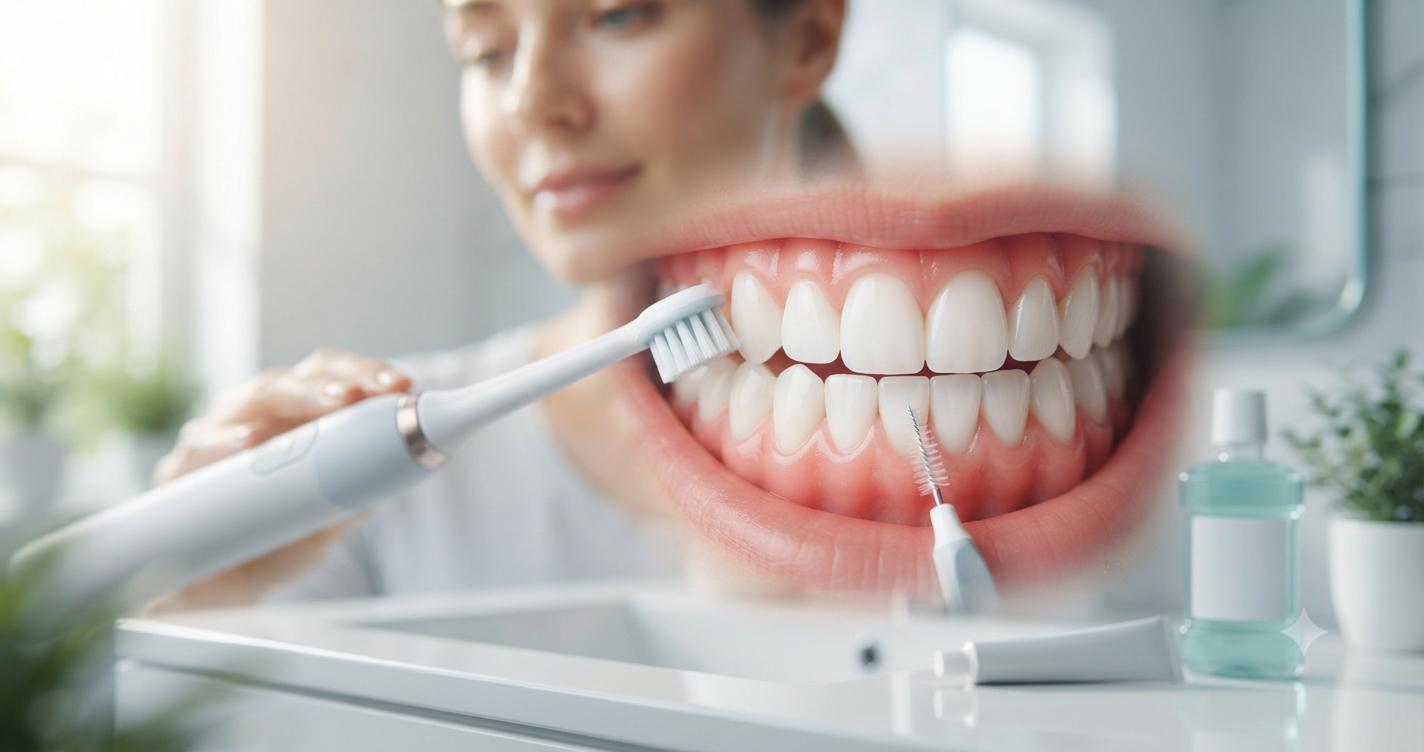
Developing a reliable oral hygiene routine is one of the most effective ways to protect your gums. Dentists recommend brushing twice each day using fluoride toothpaste and a soft-bristled toothbrush. Gentle circular motions clean plaque without damaging delicate gum tissue.
Cleaning between teeth is equally important because toothbrush bristles cannot reach every surface. Dental floss, interdental brushes, or water flossers remove trapped food particles and bacteria from difficult areas. Consistency matters more than intensity, making gentle daily care more beneficial than aggressive brushing that irritates the gums.
Daily Habits That Support Healthy Gums
- Brush teeth twice daily.
- Replace your toothbrush every three to four months.
- Floss once every day before bedtime.
- Use an alcohol-free antimicrobial mouthwash when recommended.
- Clean your tongue to reduce bacterial buildup.
- Drink water after meals to remove food particles.
- Professional dental cleanings every six months.
Nutrition Plays a Major Role in Gum Disease Prevention
Scientific evidence shows that nutrition directly affects oral tissue repair and immune function. A balanced diet rich in vitamins, minerals, and antioxidants strengthens gum tissues while helping the body fight harmful bacteria. Fresh vegetables, fruits, whole grains, lean proteins, and healthy fats provide nutrients essential for healthy oral tissues.
Vitamin C supports collagen production, helping gums remain firm and resilient. Calcium and vitamin D strengthen teeth and jawbones, while omega-3 fatty acids may reduce inflammation. Limiting sugary snacks and sweetened beverages prevents excessive bacterial growth that contributes to plaque formation and gum irritation.
Foods That Naturally Strengthen Gum Tissue

Certain foods encourage saliva production while supplying nutrients needed for healthy gums. Crunchy vegetables such as carrots and celery gently clean tooth surfaces during chewing. Apples stimulate saliva, which helps neutralize acids and wash away bacteria naturally.
Leafy greens contain calcium, folate, and antioxidants that support oral tissue health. Dairy products provide calcium and phosphorus for stronger teeth. Nuts, seeds, fish, berries, citrus fruits, and green tea also contain compounds associated with healthier gums and reduced inflammation, making them valuable additions to a balanced eating plan.
Lifestyle Habits That Protect Your Oral Health
Your everyday choices influence far more than your appearance. Smoking significantly increases the risk of periodontal disease by reducing blood flow to gum tissues and weakening immune responses. Excessive alcohol consumption may also contribute to dry mouth, allowing harmful bacteria to multiply more easily.
Managing stress benefits oral health because chronic stress affects immune function and may increase inflammation throughout the body. Regular physical activity supports healthy circulation, including blood flow to gum tissues. Adequate sleep also promotes tissue repair and strengthens the body’s natural defenses against bacterial infections.
Lifestyle Changes Worth Adopting
- Stop smoking and avoid tobacco products.
- Keep your body hydrated by drinking water regularly each day.
- Exercise regularly to support healthy circulation.
- Sleep seven to nine hours each night.
- Reduce stress through relaxation techniques.
- Limit sugary beverages and processed snacks.
- Visit your dentist consistently for preventive care.
Early Warning Signs of Gum Disease
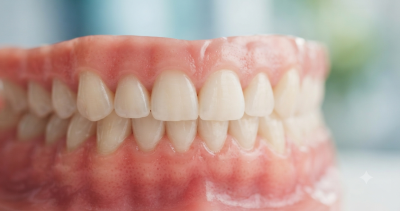
Recognizing early symptoms helps prevent minor issues from becoming serious dental problems. Healthy gums should appear pink, firm, and free from swelling. Bleeding during brushing or flossing often signals inflammation rather than normal cleaning.
Persistent bad breath, gum tenderness, gum recession, loose teeth, and sensitivity may indicate progressing periodontal disease. Seeking professional dental evaluation at the first sign of trouble allows earlier treatment and better long-term outcomes. Early intervention often requires less extensive treatment while protecting your natural teeth.
How to Improve Gum Health by Staying Hydrated
Adequate hydration plays a surprisingly important role in maintaining oral health. Saliva acts as the mouth’s natural defense system by washing away food debris, neutralizing harmful acids, and controlling bacterial growth. Regular water intake supports natural saliva production, which helps reduce harmful bacteria and keeps your gums healthy.
Dry mouth creates an environment where plaque bacteria thrive more easily. Certain medications, aging, and medical conditions increase the likelihood of reduced saliva flow. Choosing water instead of sugary beverages protects enamel while supporting healthy gums and fresher breath throughout the day.
The Importance of Professional Dental Cleanings
Even the most dedicated home care routine cannot completely remove hardened tartar. Professional dental cleanings eliminate deposits that brushing and flossing cannot reach. Regular dental checkups help identify gum disease in its early stages, before symptoms become severe.
Routine dental examinations include measurements of gum pockets, evaluation of tissue health, and personalized recommendations based on individual risk factors. Preventive care often costs less than treating advanced periodontal disease, making regular appointments an important investment in lifelong oral health and overall well-being.
Protect Your Smile with Long-Term Gum Health Prevention
Understanding how to improve gum health requires a long-term commitment rather than temporary changes. Preventive habits become more effective when practiced consistently over months and years. Establishing daily routines reduces plaque accumulation while strengthening gum tissues against bacterial attacks.
Research indicates that individuals who combine healthy nutrition, proper oral hygiene, tobacco avoidance, hydration, and regular dental visits experience significantly lower rates of gum disease. Small lifestyle improvements practiced every day create lasting benefits for oral health, confidence, and overall physical wellness.
Building a Daily Routine for Stronger Teeth and Healthier Gums
Creating a structured routine helps transform healthy choices into lifelong habits. Begin each morning by brushing thoroughly with fluoride toothpaste before breakfast or shortly afterward. Floss every evening to remove hidden plaque before sleeping, when bacterial activity naturally increases.
Pair oral hygiene with nutritious meals, sufficient hydration, and routine physical activity. Keep dental appointments on schedule, replace worn toothbrushes regularly, and monitor your gums for changes. These consistent practices support healthier smiles while lowering the risk of future periodontal complications and unnecessary dental treatments. At humanhealthtips.com, we encourage evidence-based lifestyle choices that support healthier gums and stronger teeth for people across the United States.
FAQs
Why do gums bleed while brushing?
Bleeding gums commonly indicate inflammation caused by plaque buildup or early gingivitis rather than brushing itself. Improving daily oral hygiene and seeking professional dental care usually helps resolve the problem.
What foods are best for healthy gums?
Foods rich in vitamin C, calcium, vitamin D, omega-3 fatty acids, leafy greens, dairy products, berries, nuts, fish, and crunchy vegetables support healthy gum tissue and reduce inflammation.
How long does it take to improve gum health?
Many people notice healthier gums within two to four weeks after maintaining consistent brushing, flossing, improved nutrition, and professional dental care, although severe cases may require additional treatment.
Why are regular dental cleanings important?
Professional cleanings remove tartar that cannot be eliminated through home care alone. Regular examinations also detect early signs of gum disease before they become serious.
Where should I seek treatment for gum disease?
Visit a licensed dentist or periodontist for diagnosis and treatment. Early professional care provides the best opportunity to reverse gingivitis and effectively manage more advanced periodontal disease.
COMMENTS