
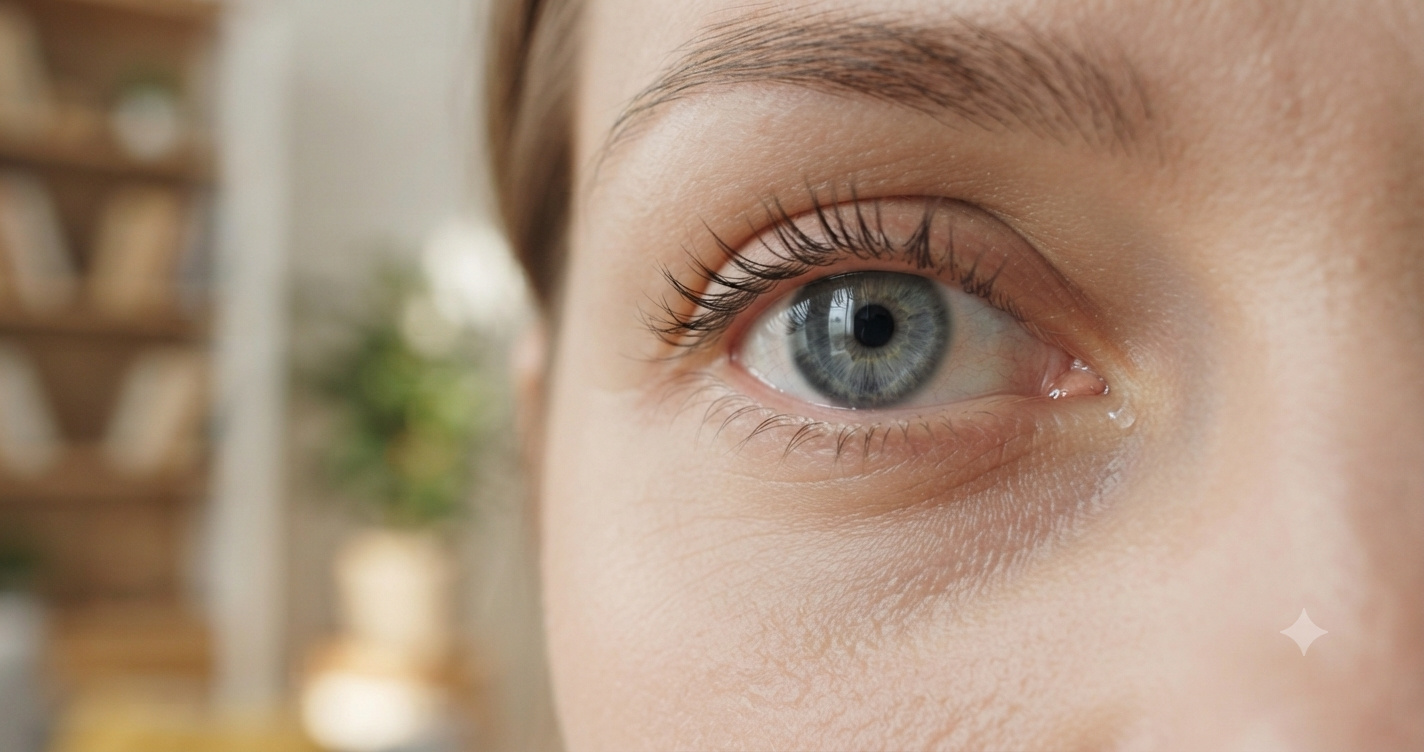
Eye twitching appears unexpectedly and disrupts your daily routine. Although it is usually harmless, repeated eyelid spasms may become frustrating and
Eye twitching appears unexpectedly and disrupts your daily routine. Although it is usually harmless, repeated eyelid spasms may become frustrating and uncomfortable. Many people search for artificial tears for eye twitching because dry eyes often trigger or worsen these involuntary muscle contractions. According to ophthalmology research, maintaining proper eye lubrication helps reduce irritation and supports healthy blinking patterns. In this content, we discuss the real cause of eyelid twitching leads to more effective relief. This guide explores scientific evidence, expert recommendations, treatment options, and preventive strategies designed for readers across the United States.
Understanding Artificial Tears for Eye Twitching and Its Causes

Eye twitching, medically known as eyelid myokymia, refers to repetitive, involuntary contractions of the eyelid muscles. These spasms usually affect the lower eyelid but may also involve the upper eyelid. Many cases are temporary and resolve without medications. However, persistent twitching can indicate underlying factors requiring attention.
Clinical studies identify several common triggers, including dry eye syndrome, excessive screen exposure, stress, sleep deprivation, caffeine consumption, eye strain, allergies, and environmental irritants. Certain medications and nutritional deficiencies can contribute. These causes allow individuals to choose proper treatments instead of focusing only on temporary relief.
Artificial Tears for Eye Twitching: Why Eye Lubrication Matters
Dry eye disease is one of the leading causes of eyelid irritation and muscle spasms. When the tear film becomes unstable, the eye surface experiences inflammation and increased sensitivity. This irritation stimulates nerve endings, potentially triggering eyelid twitching.
Artificial tears replenish moisture, stabilize the tear film, and reduce friction during blinking. Research published by ophthalmology organizations demonstrates that consistent lubrication improves ocular comfort and decreases symptoms associated with dry eyes. Preservative-free lubricating eye drops are generally recommended for frequent use because they minimize additional irritation while supporting long-term eye surface health.
Types of Artificial Tears for Eye Twitching
Choosing the appropriate eye drops depends on individual symptoms and lifestyle. Eye care specialists commonly recommend the following options:
- Preservative-free artificial tears for frequent daily use.
- Lubricating eye drops containing hyaluronic acid.
- Carboxymethylcellulose-based moisturizing drops.
- Glycerin-containing eye lubricants for mild dryness.
- Gel eye drops for extended nighttime moisture.
- Lipid-based tears for evaporative dry eye syndrome.
- Allergy-friendly lubricating drops when irritation accompanies allergies.
Consulting an eye care professional helps identify the most suitable formulation based on your symptoms.
How Dry Eyes Trigger Eyelid Muscle Spasms
The tear film protects the cornea, lubricates blinking, and supports clear vision. When tears evaporate too quickly or production decreases, the ocular surface becomes inflamed. This inflammation activates sensory nerves surrounding the eyelids and facial muscles.
Medical researchers believe continuous nerve stimulation increases the likelihood of muscle contractions around the eyelid. As irritation persists, blinking frequency may increase, placing additional stress on delicate eyelid muscles. Restoring adequate moisture interrupts this cycle, allowing nerves and muscles to function more normally while reducing uncomfortable twitching episodes.
Lifestyle Habits That Increase Eye Twitching Risk
Modern lifestyles expose the eyes to multiple stressors every day. Digital screens reduce blink frequency, allowing tears to evaporate faster. Air conditioning, heating systems, smoke, and pollution further dry the eye surface. Poor sleep quality also interferes with muscle recovery and nerve regulation.
Excessive caffeine intake may stimulate muscles and increase eyelid spasms in sensitive individuals. Emotional stress activates the body’s nervous system, making muscle contractions more noticeable. Limiting these triggers while maintaining healthy eye habits often produces better long-term results than relying on treatments alone.
Signs of Artificial Tears for Eye Twitching
Recognizing dry eye symptoms helps determine whether lubrication therapy may be beneficial. Eye twitching rarely appears alone when dryness is involved. Instead, several additional symptoms often occur together.
Common signs include burning sensations, gritty feelings, watery eyes caused by reflex tearing, blurred vision after reading, redness, light sensitivity, eye fatigue, and discomfort during prolonged computer use. Contact lens wearers frequently notice increased dryness toward the end of the day. These symptoms suggest tear film instability rather than a neurological disorder in most cases.
Scientific Research Supporting Lubricating Eye Drops
Numerous clinical studies demonstrate the effectiveness of artificial tears in managing dry eye disease. Researchers report improved tear stability, reduced ocular surface inflammation, and enhanced patient comfort following regular use of lubricating eye drops.
Preservative-free formulations receive particular attention because they decrease chemical exposure for individuals requiring multiple daily applications. Hyaluronic acid-based tears have also shown promising results due to their excellent moisture-retaining properties. While artificial tears do not directly treat muscle disorders, they address one of the most common environmental and physiological triggers associated with eyelid twitching.
Daily Habits That Promote Healthier Eyes

Healthy routines play an essential role in preventing recurring eye discomfort. Combining proper lubrication with protective habits supports long-term eye health and reduces environmental stress on the ocular surface.
Practice the 20-20-20 rule by looking twenty feet away every twenty minutes for twenty seconds. Maintain adequate hydration throughout the day. Consume foods rich in omega-3 fatty acids, vitamin A, vitamin C, vitamin E, and zinc. Ensure sufficient sleep each night, reduce excessive caffeine intake, and wear sunglasses outdoors to protect against wind and ultraviolet exposure.
When Eye Twitching May Require Medical Evaluation
Although most cases resolve naturally, certain warning signs deserve prompt medical attention. Persistent twitching lasting several weeks may indicate conditions beyond simple eye strain or dryness. Complete eyelid closure during spasms, facial muscle involvement, vision changes, severe redness, swelling, or discharge should never be ignored.
Neurological disorders, eyelid inflammation, infections, or underlying medical conditions occasionally produce similar symptoms. Eye specialists perform comprehensive examinations to identify the root cause and recommend personalized treatment. Early evaluation prevents unnecessary complications and provides reassurance when symptoms persist.
Nutrition and Hydration Support Healthy Eye Function
Nutrition influences every tissue within the body, including the eyes. Adequate hydration supports healthy tear production and helps maintain the protective tear film. Diets containing omega-3 fatty acids from salmon, sardines, walnuts, and flaxseeds may improve tear quality.
Antioxidants such as lutein, zeaxanthin, vitamins C and E, and selenium help protect delicate eye tissues from oxidative stress. Leafy green vegetables, citrus fruits, colorful berries, carrots, sweet potatoes, and eggs provide valuable nutrients that support overall ocular wellness. Balanced nutrition complements other evidence-based strategies for maintaining comfortable, healthy eyes.
Expert Recommendations for Long-Term Eye Comfort

Eye care professionals emphasize treating both symptoms and underlying causes. Consistent lubrication remains valuable when dryness contributes to eyelid twitching, but lasting improvement often requires comprehensive lifestyle adjustments. Managing stress through relaxation techniques, improving sleep quality, limiting prolonged screen exposure, and maintaining proper workplace ergonomics all reduce eye strain.
Individuals living in dry climates may benefit from indoor humidifiers that maintain comfortable moisture levels. Regular comprehensive eye examinations also help detect refractive errors, dry eye syndrome, meibomian gland dysfunction, and other conditions before symptoms become more severe.
Building a Personalized Care Plan for Eye Twitch Relief
An effective eye care routine combines preventive strategies with evidence-based treatments. Begin each morning by protecting your eyes from excessive dryness during work and recreational activities. Schedule regular screen breaks and remember to blink consciously while using digital devices.
Keep preservative-free lubricating eye drops available during travel or extended computer sessions. Prioritize seven to nine hours of quality sleep each night and remain physically active to support healthy circulation. At Human Health Tips, we encourage readers throughout the United States to adopt consistent habits that protect long-term vision, reduce irritation, and improve everyday eye comfort.
FAQs
Why does eye twitching happen more often when my eyes feel dry?
Dry eyes increase irritation on the eye surface, stimulating nerves around the eyelids. This irritation may trigger involuntary muscle contractions, making eyelid twitching more frequent until adequate lubrication restores tear film stability.
What ingredients should I look for in artificial tears?
Many eye specialists recommend preservative-free lubricating drops containing hyaluronic acid, carboxymethylcellulose, glycerin, or other clinically supported moisturizing ingredients. The best choice depends on your symptoms and overall eye health.
How often can lubricating eye drops be used safely?
Most preservative-free artificial tears can be used several times daily as needed. However, frequent or prolonged symptoms should be evaluated by an eye care professional to identify any underlying conditions requiring additional treatment.
Where should I seek medical care if eye twitching does not improve?
Persistent twitching, vision changes, facial muscle involvement, severe redness, or swelling should be evaluated by an optometrist or ophthalmologist. These specialists can diagnose underlying causes and recommend appropriate treatment based on a comprehensive eye examination.
COMMENTS