
Pescatarian eating has become increasingly popular among people seeking balanced nutrition without consuming red or processed meat. A carefully planne
Pescatarian eating has become increasingly popular among people seeking balanced nutrition without consuming red or processed meat. A carefully planned pescatarian food list provides high-quality protein, heart-friendly omega-3 fatty acids, vitamins, minerals, fiber, and antioxidants. Research consistently shows that diets rich in seafood, vegetables, whole grains, legumes, and healthy fats may support cardiovascular health, weight management, and brain function. In this content, we encourage evidence-based nutrition strategies that are practical and sustainable. Whether you live in Los Angeles, United States, or anywhere else, choosing fresh, nutrient-rich foods can help build long-term wellness.
Why a Pescatarian Food List Supports Better Overall Health
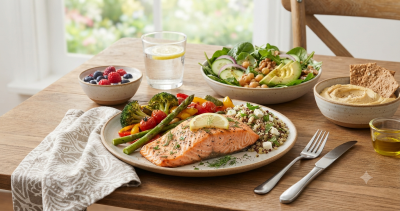
A balanced pescatarian lifestyle combines seafood with plant-based nutrition to create a nutrient-dense eating pattern. This approach typically includes fish, shellfish, vegetables, fruits, legumes, nuts, seeds, whole grains, and healthy oils. Numerous nutritional studies associate this dietary pattern with improved heart health, reduced inflammation, and better metabolic function. People in Los Angeles, United States often appreciate the availability of fresh seafood and local produce, making this eating style easier to follow. Including a variety of nutrient-rich foods also helps prevent nutritional deficiencies while supporting overall physical and mental well-being.
Essential Fish to Include in Your Pescatarian Food List
Fish serves as the primary protein source in this dietary pattern and delivers numerous essential nutrients. In particular, fatty fish contain abundant omega-3 fatty acids, while lean fish provide excellent protein with fewer calories. Additionally, rotating different seafood options improves nutrient diversity and reduces excessive exposure to environmental contaminants. For this reason, nutrition experts generally recommend consuming seafood two to three times weekly as part of a healthy eating plan. Moreover, fresh, frozen, and responsibly sourced seafood all provide valuable nutritional benefits when prepared using healthy cooking methods.
Best Fish Choices
- Salmon rich in omega-3 fatty acids
- Sardines packed with calcium and vitamin D
- Trout containing healthy fats and protein
- Mackerel supporting cardiovascular wellness
- Tuna in moderate portions
- Cod with lean protein
- Halibut for selenium and vitamin B12
- Herring rich in essential fatty acids
Nutritious Shellfish That Add Variety
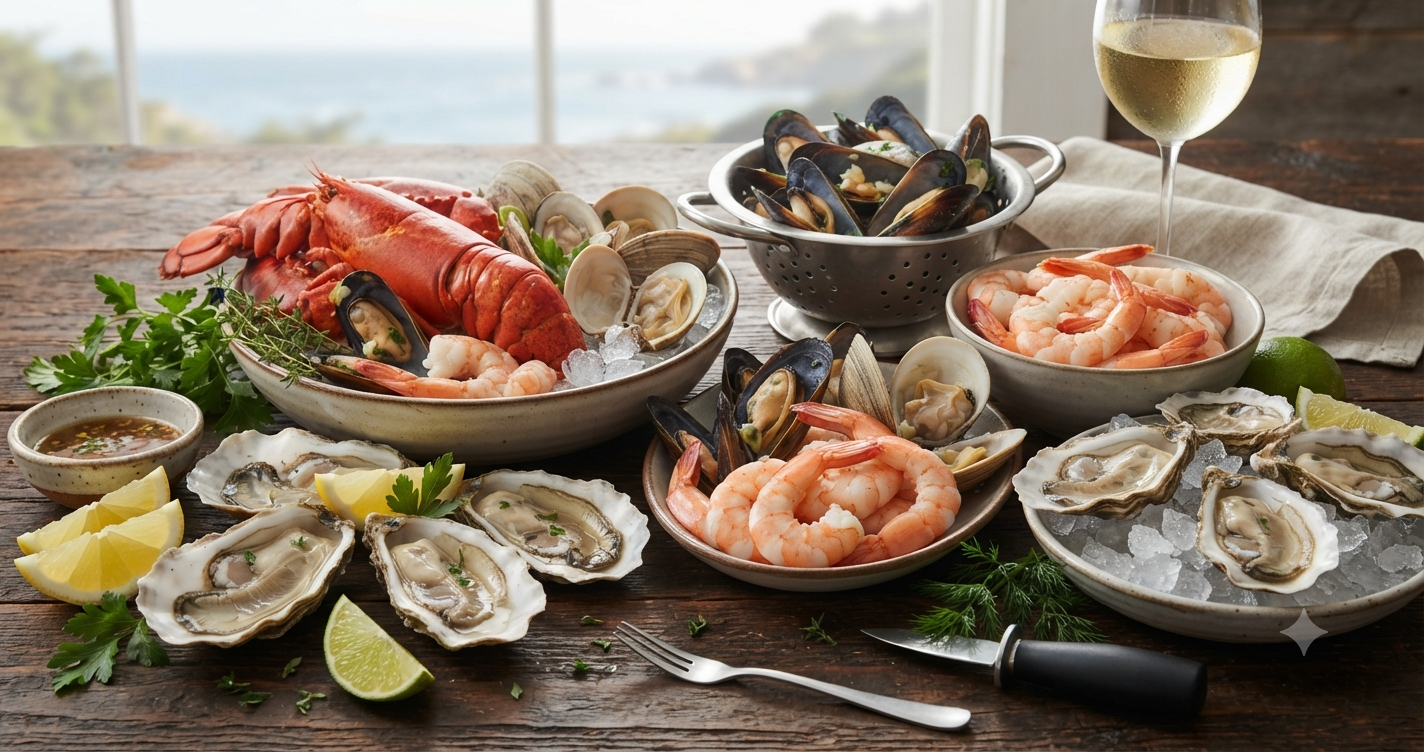
Shellfish offer excellent nutritional value while providing unique flavors and textures. Shrimp, mussels, oysters, scallops, and clams contain quality protein, zinc, selenium, iron, iodine, and vitamin B12. Many shellfish are naturally low in saturated fat while supplying minerals important for immune function and thyroid health. Choosing sustainably harvested shellfish supports environmental responsibility alongside personal nutrition. Proper storage and cooking remain essential for maintaining food safety and preserving nutrient quality.
Healthy Shellfish Options
- Shrimp
- Mussels
- Oysters
- Scallops
- Clams
- Crab
- Lobster in moderation
Colorful Vegetables with Pescatarian Food
Vegetables form the nutritional foundation of every healthy pescatarian meal. They provide dietary fiber, vitamin C, vitamin K, folate, potassium, antioxidants, and phytochemicals that support immune health. Dark leafy greens contribute calcium and magnesium, while colorful vegetables deliver protective plant compounds. Eating vegetables in multiple colors helps maximize nutrient diversity. Fresh seasonal produce available throughout Los Angeles, United State makes it easier to prepare flavorful and balanced meals throughout the year.
Recommended Vegetables
- Spinach
- Kale
- Broccoli
- Bell peppers
- Carrots
- Sweet potatoes
- Tomatoes
- Zucchini
- Brussels sprouts
- Cauliflower
Whole Grains That Provide Lasting Energy
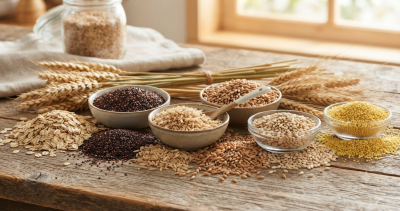
Whole grains supply complex carbohydrates, dietary fiber, B vitamins, magnesium, and plant protein. In addition, unlike refined grains, whole grains help maintain stable energy levels while supporting digestive health and blood sugar control. Furthermore, pairing grains with seafood and vegetables creates satisfying meals that deliver balanced macronutrients. Moreover, choosing minimally processed grains increases the intake of beneficial antioxidants and natural fiber. As a result, incorporating different grain varieties helps prevent dietary boredom while naturally reducing cravings and enhancing overall nutritional intake.
Excellent Whole Grains
- Brown rice
- Quinoa
- Oats
- Barley
- Farro
- Whole wheat pasta
- Whole grain bread
- Bulgur
Legumes, Beans, and Lentils for Plant Protein
Although seafood remains the primary animal protein source, legumes significantly increase nutritional balance. Beans, lentils, peas, and chickpeas provide protein, soluble fiber, iron, potassium, folate, and slow-digesting carbohydrates. Combining legumes with whole grains creates complementary amino acid profiles that support muscle maintenance and recovery. Regular consumption may contribute to healthy cholesterol levels and improved digestive function.
Healthy Fruits That Complement Seafood Meals
Fresh fruits deliver vitamins, antioxidants, hydration, and natural sweetness without excessive processed sugars. For example, citrus fruits provide vitamin C that supports immune health and improves iron absorption from plant foods. Similarly, berries contain powerful polyphenols associated with healthy aging and reduced oxidative stress. Meanwhile, bananas offer potassium for muscle function, whereas apples contribute soluble fiber that supports digestion. As a result, including fruit daily creates balanced nutrition while satisfying sweet cravings naturally.
Healthy Fats That Complete Balanced Nutrition
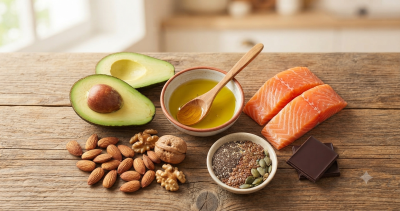
Healthy fats are essential for hormone production, nutrient absorption, and cardiovascular function. Olive oil remains a cornerstone of Mediterranean-style eating and pairs perfectly with seafood and vegetables. Avocados provide heart-healthy monounsaturated fats alongside potassium and fiber. Nuts and seeds contain plant-based omega fatty acids, vitamin E, magnesium, and antioxidants. Moderation remains important because healthy fats are calorie-dense despite their impressive nutritional benefits.
Best Healthy Fat Sources
- Extra virgin olive oil
- Avocados
- Walnuts
- Almonds
- Chia seeds
- Flaxseeds
- Pumpkin seeds
- Sunflower seeds
Dairy and Plant-Based Alternatives for Extra Nutrients
Many pescatarians include dairy products, while others prefer plant-based alternatives. Greek yogurt, cottage cheese, low-fat milk, and cheese provide calcium, vitamin D, and protein. Fortified soy milk, almond milk, and oat milk offer additional options for those avoiding dairy. Choosing unsweetened varieties reduces added sugar intake while maintaining nutritional quality. These foods contribute to strong bones and healthy muscle function when included as part of a balanced eating pattern.
Smart Meal Planning with a Pescatarian Food List

Using a structured pescatarian food list simplifies grocery shopping and meal preparation. Begin each meal with vegetables, add a serving of seafood or legumes, include whole grains, and finish with healthy fats or fresh fruit. Preparing meals in advance saves time while encouraging healthier choices throughout busy weeks. Reading nutrition labels, selecting fresh ingredients, and limiting highly processed foods further improves dietary quality. Small, consistent habits often produce greater long-term success than restrictive eating plans.
Building Long-Term Healthy Eating Habits
Healthy nutrition involves consistency rather than perfection. Rotating seafood varieties, eating colorful vegetables, consuming whole grains, and limiting processed foods create sustainable dietary patterns. Staying hydrated, practicing portion control, and cooking meals at home contribute to better nutritional outcomes. We recommend following an evidence-based approach that emphasizes whole foods, balanced nutrition, and regular physical activity. This lifestyle supports energy, heart health, cognitive function, and overall wellness for individuals and families alike. Do you know why Liquid Iron is a better choice for sensitive stomachs?
FAQs
Why is a pescatarian diet considered healthy?
A pescatarian diet combines nutrient-rich seafood with vegetables, fruits, legumes, whole grains, and healthy fats. Research suggests this eating pattern may support heart health, brain function, healthy weight management, and reduced inflammation due to its balanced nutritional profile.
What foods should always be included in a pescatarian food list?
A complete pescatarian food list should include salmon, sardines, cod, shrimp, leafy greens, colorful vegetables, berries, whole grains, beans, lentils, nuts, seeds, olive oil, and healthy dairy or fortified plant-based alternatives.
How often should seafood be eaten on a pescatarian diet?
Most nutrition experts recommend consuming seafood two to three times per week. Choosing a variety of fatty and lean fish helps maximize nutrient intake while reducing excessive exposure to contaminants from any single seafood source.
Where can people buy quality pescatarian foods in Los Angeles, United State?
Residents of Los Angeles, United State can find fresh seafood, seasonal vegetables, whole grains, and organic produce at local farmers’ markets, seafood markets, grocery stores, and health food retailers that prioritize sustainable sourcing.
Why is meal planning important for pescatarian nutrition?
Meal planning helps ensure balanced nutrition, reduces reliance on processed foods, supports portion control, saves preparation time, and makes it easier to include seafood, vegetables, whole grains, legumes, and healthy fats throughout the week.
COMMENTS