
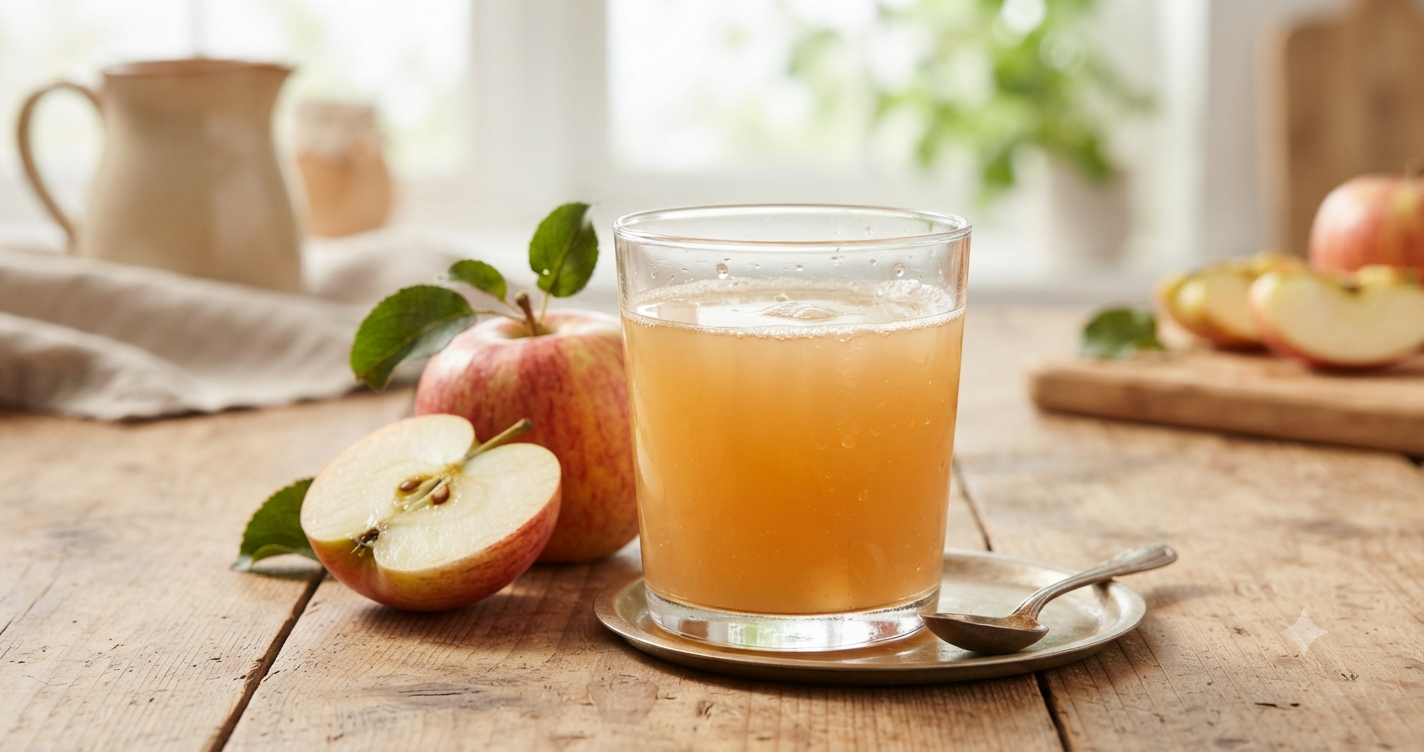
Apple juice is one of the most popular fruit beverages in the United States because of its refreshing taste and nutritional value. Many people enjoy i
Apple juice is one of the most popular fruit beverages in the United States because of its refreshing taste and nutritional value. Many people enjoy it daily without considering how its natural acidity affects the body. Apple juice is acidic, but understanding what that actually means helps consumers make informed choices. While the drink contains beneficial vitamins, antioxidants, and plant compounds, its acid content may influence dental health and digestive comfort under certain conditions. Research suggests that moderation, proper timing, and healthy consumption habits allow most people to enjoy apple juice without significant health concerns.
Understanding Why Apple Juice Is Acidic

The acidity of apple juice comes primarily from naturally occurring organic acids, especially malic acid. Apples develop these acids during growth, creating the balanced sweet-and-tart flavor consumers enjoy. The average pH of apple juice ranges from approximately 3.3 to 4.0, making it moderately acidic compared with water but less acidic than many citrus juices. The exact acidity depends on apple variety, processing methods, ripeness, and whether the juice is freshly pressed or commercially packaged. Although acidic beverages receive attention for possible health effects, acidity alone does not automatically make a drink unhealthy when consumed responsibly.
What Makes Apple Juice Is Acidic Compared with Other Drinks?
Comparing beverages helps explain where apple juice falls on the acidity scale. Water has a neutral pH of around 7, while black coffee usually measures near 5. Soft drinks often have a pH below 3 because of phosphoric and citric acids. Apple juice contains mostly natural fruit acids rather than added acids, although some commercial brands include vitamin C or preservatives that slightly influence acidity. Despite being acidic, apple juice generally contains valuable nutrients, including potassium, vitamin C, polyphenols, and beneficial plant antioxidants that contribute to overall wellness when included in an essential diet.
Key Factors That Influence Apple Juice Acidity
- Apple variety significantly changes natural acid concentration.
- Ripeness affects both sugar and acid balance.
- Fresh juice may differ from pasteurized products.
- Processing methods influence final pH levels.
- Added vitamin C can slightly increase acidity.
- Storage conditions may affect flavor and freshness.
- Filtered and unfiltered juices contain different nutrient profiles.
Does Acidic Apple Juice Damage Tooth Enamel?

Dental professionals often explain that frequent exposure to acidic beverages may gradually soften tooth enamel. Tooth enamel protects the inner structure of each tooth but cannot regenerate once it wears away. Drinking apple juice throughout the day or slowly sipping it over several hours extends acid exposure, increasing the possibility of enamel erosion. However, occasional consumption with meals presents much lower risk. Rinsing the mouth with plain water afterward helps reduce remaining acids. Waiting about thirty minutes before brushing also protects softened enamel from unnecessary abrasion during regular oral hygiene.
Scientific Research on Apple Juice and Dental Health
Many laboratory and clinical studies have examined how acidic beverages interact with tooth enamel. Researchers consistently report that repeated acid exposure contributes more to enamel wear than occasional intake. The American Dental Association emphasizes that both acidity and sugar influence oral health. Natural fruit sugars provide energy, but oral bacteria convert these sugars into additional acids that may promote cavities. Combining healthy brushing habits, fluoride toothpaste, routine dental visits, and mindful beverage choices creates an effective strategy for maintaining strong teeth while still enjoying naturally sweet fruit juices.
Can Apple Juice Irritate the Stomach?
For most healthy individuals, apple juice does not cause stomach damage when consumed in moderate amounts. Nevertheless, people with acid reflux, gastroesophageal reflux disease (GERD), gastritis, or sensitive digestive systems may experience mild discomfort after drinking acidic beverages. Apple juice also contains natural fruit sugars like fructose and sorbitol, which some individuals digest less efficiently. Excessive intake may contribute to bloating, gas, or loose stools. Drinking moderate portions alongside balanced meals often reduces digestive discomfort while allowing people to benefit from the juice’s nutritional properties.
Tips to Reduce Digestive Discomfort
- Drink smaller servings instead of large quantities.
- Avoid consuming juice on an empty stomach.
- Pair apple juice with balanced meals.
- Choose products without added sugars.
- Stay hydrated throughout the day.
- Limit intake if acid reflux symptoms increase.
- Consult a healthcare professional for persistent digestive concerns.
Nutritional Benefits Beyond Its Acidity

Although discussions often focus on acidity, apple juice provides several nutrients that support overall health. It supplies vitamin C, potassium, natural carbohydrates, and beneficial polyphenols that help protect cells from oxidative stress. Certain varieties also contain flavonoids associated with cardiovascular wellness. While whole apples provide more dietary fiber than juice, moderate juice consumption can still contribute to daily fruit intake. Selecting 100 percent apple juice without added sugars offers greater nutritional value than sugar-sweetened fruit drinks containing artificial ingredients or excessive sweeteners.
Choosing the Healthiest Apple Juice Products
Consumers encounter many apple juice options in supermarkets, including organic, filtered, cloudy, cold-pressed, and concentrate-based varieties. Reading nutrition labels helps identify products containing only pure apple juice without unnecessary added sugars or artificial flavors. Unsweetened options generally align better with healthy dietary recommendations. Cloudy apple juice often retains more naturally occurring plant compounds because less filtration removes beneficial substances. Refrigerated fresh juices may preserve certain flavors, while pasteurized products provide longer shelf life and improved food safety through controlled processing techniques.
Healthy Drinking Habits for Families
Parents frequently include apple juice in children’s diets because it is familiar and convenient. Pediatric nutrition experts recommend appropriate serving sizes rather than unrestricted consumption. Offering juice during meals instead of continuous sipping reduces prolonged acid exposure. Encouraging children to drink water between meals supports hydration while minimizing contact between acids and teeth. Adults also benefit from portion control because excessive juice intake contributes additional calories and natural sugars. A balanced eating pattern combining fruits, vegetables, lean proteins, whole grains, and dairy promotes long-term health for every family member.
Medical Experts’ Perspective on Moderate Consumption

Healthcare professionals generally agree that apple juice fits within a healthy eating plan when consumed in moderation. Dietary guidelines encourage prioritizing whole fruits because they provide fiber that slows sugar absorption and improves satiety. Nevertheless, 100 percent fruit juice can complement a balanced diet for individuals who monitor portion sizes. Medical experts recommend considering personal health conditions, including diabetes, acid reflux, or digestive disorders, before making apple juice a daily habit. Individual nutritional needs vary, making personalized dietary advice valuable for people with chronic medical concerns.
Practical Ways to Enjoy Apple Juice Safely
Simple habits make apple juice easier to enjoy while minimizing potential concerns. Drinking juice with meals reduces prolonged acid exposure in the mouth and stomach. Using a straw limits direct contact between the liquid and tooth enamel. Refrigerating juice properly maintains freshness and quality after opening. Choosing smaller servings rather than oversized glasses supports healthy sugar intake without sacrificing enjoyment. These practical approaches allow individuals to appreciate the flavor, hydration, antioxidants, and nutrients found in quality apple juice while protecting both oral and digestive health.
Frequently Asked Questions
Why is apple juice considered acidic?
Apple juice naturally contains malic acid and other organic acids that give it a pH between approximately 3.3 and 4.0, making it moderately acidic.
What happens if you drink apple juice every day?
Moderate daily intake of 100 percent apple juice can fit within a healthy diet, but excessive consumption may increase sugar intake and prolonged acid exposure.
How can you protect your teeth after drinking apple juice?
Rinse your mouth with water, avoid brushing immediately afterward, drink juice with meals, and maintain regular oral hygiene practices.
Where should you store apple juice after opening?
Opened apple juice should remain refrigerated and consumed according to the manufacturer’s recommended storage period for maximum freshness and safety.
Why do some people experience stomach discomfort after drinking apple juice?
Individuals with acid reflux, sensitive digestion, fructose intolerance, or gastritis may notice discomfort because of the juice’s natural acids and fruit sugars.
COMMENTS