
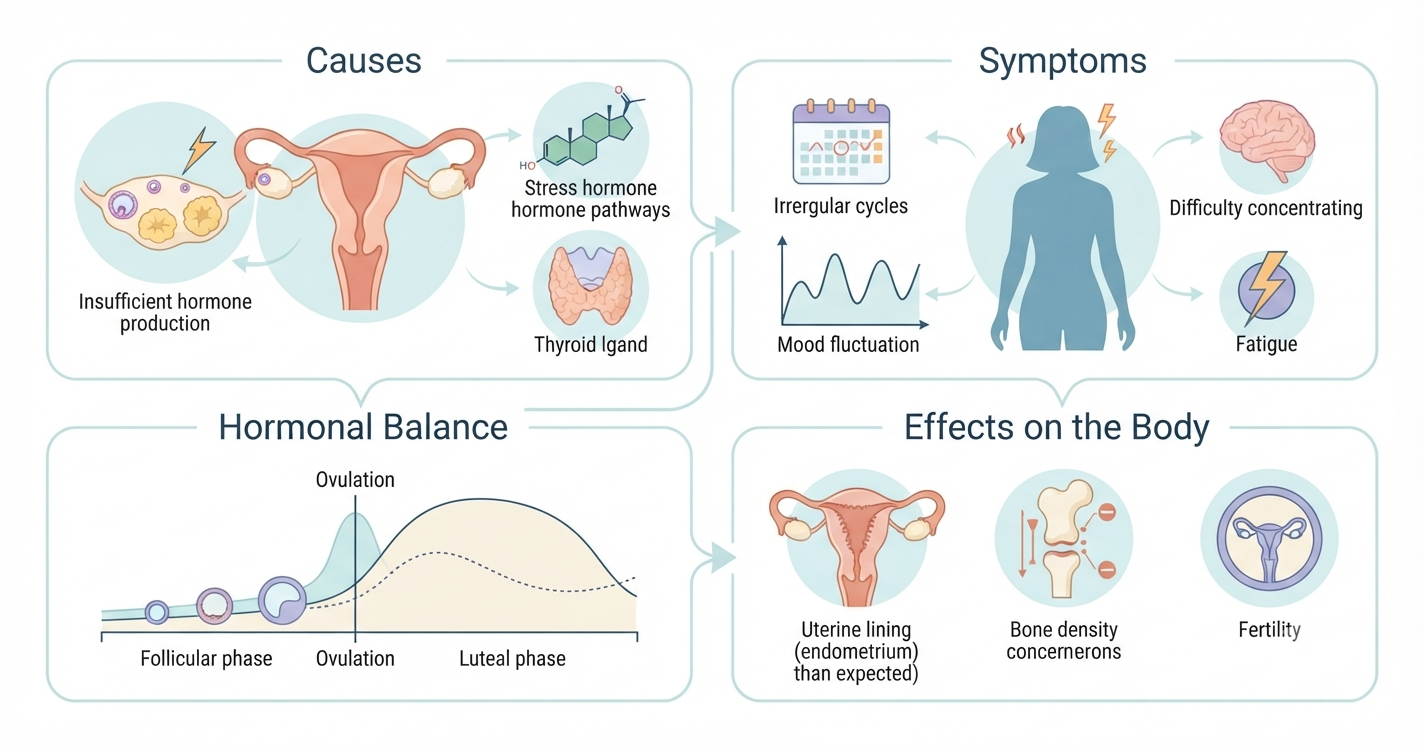
Hormones influence nearly every function in the human body, especially reproductive health and overall well-being. Low progesterone can disrupt hormon
Hormones influence nearly every function in the human body, especially reproductive health and overall well-being. Low progesterone can disrupt hormonal balance and contribute to menstrual irregularities, fertility challenges, mood changes, and pregnancy-related concerns. Progesterone is an essential hormone that prepares the uterus for pregnancy while supporting many other body systems. Understanding its role helps people recognize early warning signs and seek timely medical advice. At Human Health Tips, we believe that evidence-based health education empowers individuals across the United States to make informed healthcare decisions with confidence and improve their long-term wellness.
What Is Low Progesterone and Why Does It Matter?
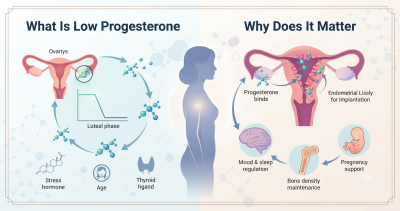
Progesterone is a hormone primarily produced by the ovaries after ovulation. During pregnancy, the placenta also produces significant amounts to support fetal development. This hormone prepares the uterine lining for implantation, regulates the menstrual cycle, and balances the effects of estrogen. When progesterone levels remain below the expected range, hormonal imbalance may occur. Research published by organizations such as the American College of Obstetricians and Gynecologists suggests that hormonal fluctuations can influence fertility, menstrual health, and pregnancy outcomes. Healthcare providers usually evaluate progesterone levels alongside other reproductive hormones for a complete clinical picture.
Understanding Low Progesterone Symptoms and Early Warning Signs
The symptoms of low progesterone vary depending on age, reproductive stage, and overall health. Some individuals experience mild hormonal changes, while others notice symptoms that interfere with daily life. Since many hormonal disorders share similar signs, professional evaluation remains important. Common symptoms may gradually appear over several menstrual cycles before becoming more noticeable. Hormonal testing, medical history, and physical examinations help healthcare professionals identify the underlying cause instead of relying solely on symptoms.
Common Signs Include
- Irregular or missed menstrual periods
- Difficulty becoming pregnant
- Spotting between menstrual cycles
- Heavy menstrual bleeding
- Frequent headaches or migraines
- Mood swings and increased anxiety
- Trouble sleeping or insomnia
- Breast tenderness
- Reduced libido
- Early pregnancy loss in some cases
What Causes Low Progesterone Levels in Women?
Several medical and lifestyle factors may contribute to reduced progesterone production. One of the most common causes is anovulation, where ovulation does not occur regularly. Without ovulation, the corpus luteum cannot produce adequate progesterone. Polycystic ovary syndrome (PCOS), thyroid disorders, chronic stress, excessive exercise, eating disorders, obesity, and premature ovarian insufficiency may also affect hormone production. Certain medications and age-related hormonal changes during perimenopause can further reduce progesterone levels. Identifying the underlying cause allows healthcare providers to recommend targeted treatment rather than addressing symptoms alone.
How Progesterone Supports Reproductive and Overall Health
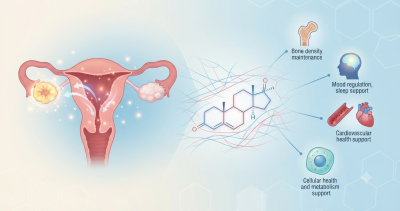
Progesterone does much more than regulate the menstrual cycle. It helps prepare the endometrium for embryo implantation and supports early pregnancy by maintaining the uterine lining. Researchers have also explored its influence on mood regulation, sleep quality, bone health, and nervous system function. When progesterone declines, estrogen may become relatively dominant, contributing to irregular bleeding, breast discomfort, and other hormone-related symptoms. Balanced hormone levels remain essential throughout different stages of reproductive life.
Risk Factors That Increase Hormonal Imbalance
Not everyone develops hormone deficiencies for the same reasons. Genetics, medical conditions, and lifestyle habits all influence reproductive hormone production. Women approaching menopause naturally experience changing progesterone levels because ovulation becomes less frequent. Chronic illnesses, untreated endocrine disorders, and long-term emotional stress may further affect hormonal regulation. Poor nutrition, inadequate sleep, smoking, and excessive alcohol intake have also been associated with hormonal disruption. Understanding these risk factors helps individuals adopt preventive habits while recognizing situations that require professional medical evaluation and laboratory testing.
How Doctors Diagnose Low Progesterone
Diagnosing low progesterone requires more than reviewing symptoms alone. Healthcare providers often combine medical history, menstrual cycle patterns, physical examination findings, and laboratory testing. Blood progesterone testing usually occurs during the luteal phase of the menstrual cycle, approximately one week after ovulation, when hormone levels naturally peak. Additional evaluations may include thyroid function tests, estrogen measurement, follicle-stimulating hormone, luteinizing hormone, pelvic ultrasound, or fertility assessments. Evidence-based diagnosis helps distinguish progesterone deficiency from other endocrine disorders that produce similar symptoms and guides personalized treatment planning.
Treatment Options Recommended by Healthcare Professionals

Treatment depends on the underlying cause rather than progesterone levels alone. Physicians may prescribe progesterone supplementation in specific situations, including fertility treatment, recurrent pregnancy loss associated with progesterone deficiency, or certain menstrual disorders. Lifestyle modifications also support hormone balance by improving sleep, reducing chronic stress, maintaining healthy body weight, and encouraging balanced nutrition. Individuals with thyroid disease or PCOS may require treatment for those conditions before hormonal balance improves. Every treatment plan should be individualized under qualified medical supervision because hormone therapy is not appropriate for everyone.
Can Lifestyle Changes Support Healthy Progesterone Levels?
Healthy daily habits may positively influence hormone regulation, although they cannot replace medical treatment when a significant disorder exists. Consuming nutrient-rich foods containing healthy fats, lean protein, whole grains, magnesium, vitamin B6, zinc, and antioxidants supports overall endocrine health. Regular physical activity promotes metabolic function without excessive exercise that may suppress ovulation. Stress management techniques such as meditation, yoga, and adequate sleep help regulate cortisol, which may indirectly influence reproductive hormones. Maintaining routine preventive healthcare visits also supports early identification of hormonal changes before symptoms become severe.
Fertility, Pregnancy, and Low Progesterone
Progesterone plays an essential role during conception and early pregnancy because it prepares the uterus for embryo implantation and supports fetal development. Inadequate progesterone may contribute to infertility in some women by preventing successful implantation or affecting the uterine environment. However, infertility often involves multiple contributing factors rather than a single hormone deficiency. Fertility specialists evaluate ovarian function, egg quality, sperm health, uterine anatomy, and hormonal balance together. Early prenatal care and individualized medical management provide the best opportunity for achieving healthy pregnancy outcomes when hormonal concerns exist. Do Pregnancy Tests Expire? How to Check Before You Test
When Should You Seek Medical Evaluation for Low Progesterone?

Persistent menstrual irregularities, infertility lasting more than one year, repeated pregnancy loss, or unexplained abnormal bleeding deserve professional assessment. Severe pelvic pain, sudden heavy bleeding, or symptoms affecting everyday life should never be ignored. Early diagnosis allows healthcare providers to identify treatable hormonal disorders before complications develop. Women approaching menopause may also benefit from discussing hormonal changes with their physician to distinguish normal aging from medical conditions requiring treatment. Timely medical evaluation improves the likelihood of effective management while reducing unnecessary anxiety related to unexplained reproductive symptoms.
Research Insights on Hormonal Health and Future Care
Current research continues exploring progesterone’s broader effects beyond reproduction, including potential influences on brain health, sleep regulation, immune function, and cardiovascular wellness. Scientists are also investigating personalized hormone therapy based on genetic factors and individual hormone profiles. Advances in reproductive medicine have improved diagnostic accuracy through more precise laboratory testing and imaging techniques. Ongoing clinical studies continue refining treatment recommendations for menstrual disorders, infertility, and pregnancy support. Staying informed through reliable medical resources enables patients to participate actively in healthcare decisions alongside qualified medical professionals.
Frequently Asked Questions
Why is progesterone important for women’s health?
Progesterone helps regulate the menstrual cycle, prepares the uterus for pregnancy, supports embryo implantation, balances estrogen, and contributes to reproductive health, sleep, and emotional well-being.
What foods may support healthy progesterone production?
Foods rich in vitamin B6, magnesium, zinc, healthy fats, lean proteins, leafy vegetables, nuts, seeds, eggs, and whole grains may support overall hormone production alongside a balanced lifestyle.
How is progesterone deficiency diagnosed by doctors?
Healthcare providers diagnose progesterone deficiency using blood hormone tests, menstrual history, physical examination, ovulation timing, pelvic ultrasound, and additional endocrine evaluations when necessary.
Why can hormone imbalance affect fertility?
Hormonal imbalance may interfere with ovulation, uterine lining development, and embryo implantation, making conception more difficult. Multiple reproductive factors are usually evaluated together during fertility assessments.
Where should you seek help for hormone-related symptoms?
You should consult a primary care physician, gynecologist, reproductive endocrinologist, or fertility specialist for evidence-based evaluation, laboratory testing, diagnosis, and personalized treatment recommendations.
COMMENTS