

Pregnancy is a life-changing experience that requires proper nutrition for both the mother and the developing baby. While a balanced diet provides man
Pregnancy is a life-changing experience that requires proper nutrition for both the mother and the developing baby. While a balanced diet provides many essential nutrients, healthcare professionals across the United States recommend supplements to help fill nutritional gaps. Choosing the best prenatal vitamins can improve maternal health, support fetal growth, and reduce the risk of certain birth defects. Research published by organizations such as the American College of Obstetricians and Gynecologists (ACOG) highlights the importance of nutrients like folic acid, iron, calcium, vitamin D, iodine, and DHA throughout pregnancy.
Why the Best Prenatal Vitamins Matter During Pregnancy
Pregnancy significantly increases the body’s nutritional demands. The placenta, growing fetus, and maternal tissues require additional vitamins and minerals to function properly. Scientific research indicates that adequate nutrient intake supports healthy brain development, bone formation, immune function, and red blood cell production. Women who enter pregnancy with nutritional deficiencies may face higher risks of complications, including anemia and neural tube defects. Taking the best prenatal vitamins alongside a nutrient-rich diet helps ensure consistent intake of essential nutrients, especially during the first trimester when fetal organs develop rapidly.
Essential Nutrients Found in the Best Prenatal Vitamins
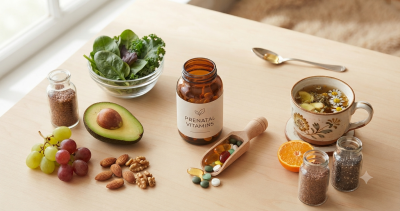
Every high-quality prenatal supplement contains carefully selected nutrients that support different stages of fetal development. Although formulations vary, healthcare professionals generally recommend products that meet established nutritional guidelines for pregnant women in the United States. Clinical evidence shows these nutrients work together to promote healthy pregnancy outcomes while supporting maternal well-being. Reading supplement labels carefully helps women compare ingredients and daily values before making informed decisions.
Key Ingredients to Look For
- Folic acid for neural tube development.
- Iron to support healthy red blood cell production.
- Calcium for strong bones and teeth.
- Vitamin D to improve calcium absorption.
- DHA for fetal brain and eye development.
- Iodine for healthy thyroid function.
- Choline for cognitive development.
- Vitamin B12 to support nervous system health.
- Zinc for immune function and healthy cell growth.
- Magnesium to assist muscle and nerve function.
How to Choose the Best Prenatal Vitamins for Your Needs
Not every prenatal supplement is identical, and personal nutritional requirements may differ based on age, diet, medical history, and pregnancy stage. Obstetricians often recommend reviewing ingredient amounts instead of relying solely on marketing claims. Women following vegetarian or vegan diets may require additional vitamin B12 or DHA supplementation. Those with anemia may need higher iron levels under medical supervision. Selecting the best prenatal vitamins involves comparing ingredient quality, third-party testing, dosage recommendations, and potential allergens while considering guidance from healthcare providers.
Understanding Folic Acid and Neural Tube Development
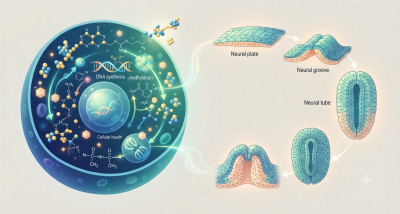
Folic acid remains one of the most thoroughly researched nutrients during pregnancy. According to public health recommendations, women should begin taking folic acid before conception whenever possible because neural tube formation occurs during the earliest weeks of pregnancy. Adequate intake significantly lowers the risk of neural tube defects such as spina bififida and anencephaly. Folate also contributes to healthy DNA synthesis and rapid cell division, making it essential throughout pregnancy. Many prenatal supplements contain 400 to 800 micrograms of folic acid to meet recommended daily intake levels.
Iron and Blood Health During Pregnancy
Pregnancy increases blood volume dramatically, creating greater demand for iron. This essential mineral supports hemoglobin production, allowing oxygen to reach maternal tissues and the developing fetus efficiently. Iron deficiency may contribute to fatigue, weakness, dizziness, and pregnancy-related anemia. Healthcare providers commonly recommend prenatal supplements containing appropriate iron levels to reduce deficiency risks. Pairing iron-rich foods with vitamin C sources can improve absorption, while consuming calcium separately from iron supplements may enhance overall nutrient utilization and digestive comfort.
DHA and Brain Development Benefits
Omega-3 fatty acids, particularly DHA, play a significant role in fetal brain and retinal development. Numerous clinical studies suggest adequate DHA intake supports healthy neurological growth during pregnancy and early infancy. Since many people consume insufficient fatty fish due to dietary preferences or safety concerns, prenatal supplements frequently include algae-based or fish-derived DHA. Healthcare professionals often encourage pregnant women to choose purified DHA sources tested for contaminants such as mercury. Combining DHA with other essential nutrients provides comprehensive nutritional support throughout pregnancy.
Calcium and Vitamin D for Strong Bones
Calcium and vitamin D work together to maintain healthy bones for both mother and baby. If dietary calcium intake remains inadequate, the developing fetus may draw calcium from maternal bone stores. Vitamin D improves calcium absorption while supporting immune health and muscle function. Dairy products, fortified beverages, leafy green vegetables, and sunlight exposure contribute to maintaining healthy vitamin D and calcium levels. Prenatal supplements provide additional nutritional support when dietary intake alone does not meet recommended requirements during pregnancy.
Safety Tips Before Taking Prenatal Supplements

Although prenatal vitamins are beneficial, taking excessive amounts of certain nutrients may create unnecessary health concerns. Vitamin A, for example, should remain within recommended pregnancy limits because excessive intake from retinol sources may increase fetal risks. Women should avoid combining multiple supplements without professional guidance since overlapping ingredients can exceed daily recommendations. To improve supplement safety, always check expiration dates, choose high-quality manufacturers, and speak with your healthcare provider about any prescription medications you take. Personalized medical advice remains essential for women with chronic health conditions or high-risk pregnancies.
Foods That Complement Prenatal Vitamins
Prenatal supplements work best when combined with a balanced eating pattern rather than replacing nutritious meals. Whole foods provide dietary fiber, antioxidants, healthy fats, and plant compounds unavailable in supplements alone. Lean protein, whole grains, colorful vegetables, fruits, dairy products, nuts, seeds, legumes, and healthy fats contribute to overall maternal nutrition. Staying hydrated and limiting highly processed foods further supports healthy pregnancy outcomes. Combining wholesome meals with the best prenatal vitamins creates a comprehensive nutritional foundation for both mother and baby.
Common Mistakes When Buying the Best Prenatal Vitamins
Many consumers focus primarily on brand popularity instead of ingredient quality and scientific evidence. Some supplements contain unnecessary herbal blends lacking sufficient pregnancy safety research. Others provide inadequate levels of essential nutrients or excessive doses of certain vitamins. Reading supplement facts carefully, reviewing independent quality certifications, and discussing options with healthcare providers help prevent costly mistakes. Choosing the best prenatal vitamins based on evidence rather than advertising improves confidence and supports informed purchasing decisions throughout pregnancy.
Research-Based Recommendations for Healthy Pregnancy Nutrition

Leading medical organizations consistently emphasize that prenatal nutrition extends beyond supplementation. Maintaining healthy weight gain, engaging in physician-approved physical activity, managing stress, attending regular prenatal appointments, and avoiding tobacco and excessive alcohol all contribute to healthier pregnancy outcomes. Evidence-based dietary patterns rich in vegetables, fruits, whole grains, lean proteins, and healthy fats complement prenatal supplementation effectively. Combining healthy lifestyle habits with the best prenatal vitamins offers comprehensive nutritional support that benefits maternal wellness and fetal development from early pregnancy through delivery.
Frequently Asked Questions
Why are prenatal vitamins important before pregnancy?
Healthcare experts recommend beginning prenatal vitamins before conception because early fetal development occurs during the first few weeks. Nutrients such as folic acid help reduce the risk of neural tube defects before many women even realize they are pregnant.
What nutrients should every prenatal vitamin contain?
A quality prenatal supplement should include folic acid, iron, calcium, vitamin D, iodine, choline, vitamin B12, zinc, and DHA. Individual nutrient requirements may vary according to personal health needs and physician recommendations.
How long should women continue taking prenatal vitamins?
Many healthcare providers recommend continuing prenatal vitamins throughout pregnancy and during breastfeeding. Continued supplementation supports maternal recovery and provides nutrients needed for infant growth during lactation.
Where can pregnant women find reliable prenatal vitamin recommendations?
Reliable guidance comes from obstetricians, certified nurse-midwives, registered dietitians, pharmacists, and respected medical organizations. Professional advice ensures supplement choices match individual nutritional needs and existing medical conditions.
Why should pregnant women consult a healthcare provider before choosing supplements?
Every pregnancy is unique, and nutritional requirements can differ depending on age, health status, medications, and pregnancy complications. Healthcare professionals evaluate these factors and recommend supplements that safely support both maternal health and fetal development.
COMMENTS