
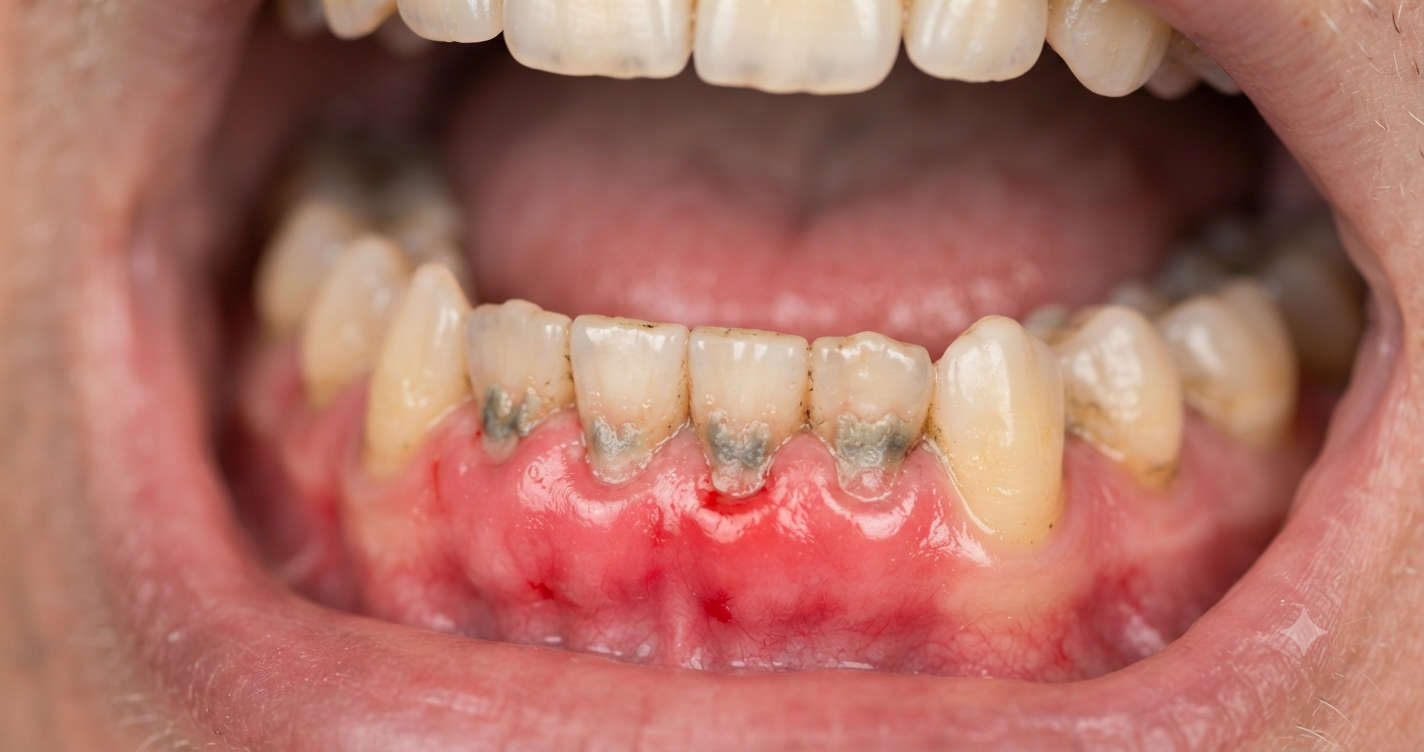
Trench mouth is a serious gum infection that develops when harmful bacteria rapidly multiply inside the mouth. If left untreated, it can cause severe
Trench mouth is a serious gum infection that develops when harmful bacteria rapidly multiply inside the mouth. If left untreated, it can cause severe pain, bleeding gums, bad breath, and tissue damage. Understanding what is trench mouth helps people recognize early warning signs and seek prompt dental care before complications develop. Although the condition became widely known among soldiers during World War I, it can affect anyone with poor oral hygiene, a weakened immune system, or high stress levels. Human Health Tips aims to provide research-based health information for readers across New York and the United States.
What Is Trench Mouth? Understanding This Serious Gum Infection
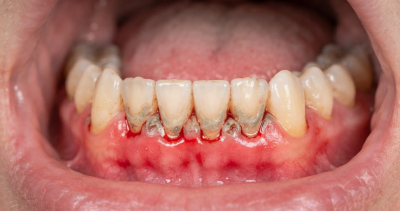
Trench mouth, medically known as acute necrotizing ulcerative gingivitis (ANUG), is a rapidly progressing bacterial infection that affects the gums. Unlike ordinary gingivitis, this condition destroys gum tissue and causes painful ulcers between the teeth. The infection develops when naturally occurring oral bacteria multiply uncontrollably due to poor oral hygiene or weakened immunity. Modern dental research shows that early diagnosis significantly reduces complications and speeds recovery. While the disease is uncommon today, dentists continue to treat cases, especially among individuals with poor nutrition, smoking habits, or chronic health conditions.
Common Symptoms That Should Never Be Ignored
The symptoms usually appear suddenly and worsen within a short period if untreated. Most patients experience intense gum discomfort along with visible tissue damage. Early recognition can prevent permanent gum destruction and tooth loss. Symptoms vary depending on the severity of the infection and the person’s overall health.
Key Warning Signs Include
- Severe gum pain and tenderness
- Bleeding gums during brushing or eating
- Gray or white film covering the gums
- Painful ulcers between teeth
- Persistent bad breath (halitosis)
- Metallic taste in the mouth
- Swollen or inflamed gums
- Fever in severe infections
- Difficulty chewing food
- Swollen lymph nodes around the neck
What Is Trench Mouth and How It Cause?
Understanding what is trench mouth also means learning about its underlying causes. The infection results from an imbalance of harmful bacteria, including fusiform bacteria and spirochetes, inside the mouth. Normally, these microorganisms remain under control, but poor oral conditions allow them to multiply rapidly. Dental studies indicate that several lifestyle and health factors contribute to bacterial overgrowth. Maintaining healthy gums significantly reduces the likelihood of developing this painful infection.
Major Risk Factors
- Poor oral hygiene habits
- Smoking and tobacco use
- Chronic emotional stress
- Weak immune system
- Malnutrition or vitamin deficiencies
- HIV/AIDS
- Diabetes
- Lack of regular dental cleanings
- Existing gum disease
- Sleep deprivation
How the Infection Progresses Inside the Mouth
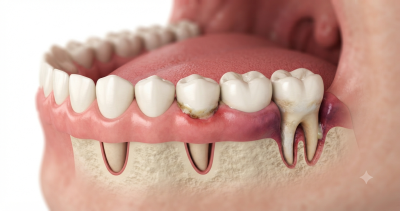
The infection begins when bacteria accumulate around the gum line and release toxins that damage soft tissues. These toxins destroy healthy gum cells and reduce blood circulation, causing dead tissue to develop. As tissue breaks down, painful ulcers form between the teeth, producing a foul odor and severe inflammation. Without treatment, the bacteria may spread deeper into supporting tissues surrounding the teeth. Advanced infections can eventually affect the jawbone, making recovery more complicated. Prompt dental intervention interrupts bacterial growth before permanent damage occurs.
The Difference Between Trench Mouth and Regular Gingivitis
Many people confuse trench mouth with common gingivitis because both affect the gums. However, trench mouth is far more aggressive and painful. Gingivitis typically develops slowly with mild redness and occasional bleeding. In contrast, trench mouth causes sudden tissue destruction, severe pain, ulcers, and noticeable bad breath. Gingivitis usually improves through better brushing and flossing, whereas trench mouth often requires professional dental treatment, antibiotics, and thorough cleaning. Recognizing these differences helps patients seek immediate care rather than delaying treatment until symptoms become severe.
How Dentists Diagnose the Condition
Dentists diagnose trench mouth first through a comprehensive oral examination. They evaluate gum appearance, tissue damage, bleeding, ulcers, and the presence of gray necrotic tissue. Medical history also plays an important role because underlying conditions may contribute to infection. In severe cases, dental X-rays help determine whether bone loss has occurred. Accurate diagnosis ensures patients receive appropriate treatment and prevents unnecessary complications that could affect long-term oral health.
Effective Treatment Options Recommended by Dental Professionals

Treatment focuses on controlling bacterial infection, relieving pain, and restoring healthy gum tissue. Dentists begin by gently removing dead tissue and dental plaque using specialized instruments. Antibacterial mouth rinses and prescription antibiotics may be necessary when infection is widespread. Pain medications help patients eat and maintain oral hygiene comfortably during recovery. Professional treatment is usually combined with improved home care practices, including gentle brushing, flossing, hydration, and balanced nutrition. Most individuals experience noticeable improvement within several days after receiving appropriate dental care.
What Is Trench Mouth Prevention? Daily Habits That Protect Your Gums
Knowing what is trench mouth prevention involves adopting healthy daily habits that reduce bacterial buildup. Consistent oral hygiene remains the most effective defense against gum infections. Dental experts recommend brushing twice daily using fluoride toothpaste and replacing toothbrushes regularly. Daily flossing removes food particles that brushing cannot reach. Drinking plenty of water supports saliva production, which naturally controls harmful bacteria. Limiting sugary foods, avoiding tobacco products, and scheduling routine dental examinations further strengthen gum health and reduce infection risks.
Nutrition and Lifestyle Choices That Support Healthy Gums
Nutrition plays a significant role in maintaining strong gum tissue and supporting immune function. Diets rich in vitamin C, vitamin D, zinc, calcium, and antioxidants help repair damaged tissues and fight bacterial infections. Fresh fruits, leafy vegetables, dairy products, lean proteins, nuts, and whole grains provide essential nutrients for oral health. Reducing processed sugars limits bacterial growth inside the mouth. Managing stress through regular exercise, adequate sleep, and relaxation techniques also strengthens immune defenses, making severe gum infections less likely to develop.
Possible Complications If Treatment Is Delayed
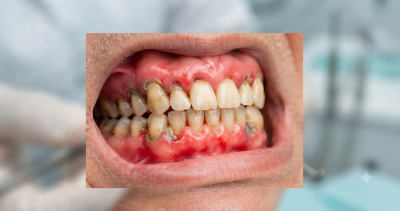
Ignoring symptoms allows bacteria to continue destroying gum tissue, increasing the risk of serious complications. Progressive tissue loss may expose tooth roots, loosen teeth, and eventually cause tooth loss. Severe infections can spread beyond the gums into surrounding facial tissues or the bloodstream in individuals with weakened immunity. Chronic pain, difficulty eating, poor nutrition, and reduced quality of life frequently accompany untreated disease. Early professional treatment significantly lowers these risks and helps preserve healthy teeth, gums, and supporting bone structures.
When to Visit a Dentist Immediately
Seek immediate dental care if you notice severe gum pain, spontaneous bleeding, ulcers, or persistent foul breath that does not improve with brushing. High fever, swollen lymph nodes, facial swelling, or difficulty swallowing require urgent evaluation because these symptoms may indicate spreading infection. People with diabetes, HIV, cancer treatments, or other immune-related conditions should never delay professional assessment. Regular dental checkups every six months help detect early gum disease before it develops into more serious bacterial infections requiring extensive treatment.
FAQs
1. Why does trench mouth develop so quickly?
Trench mouth progresses rapidly because harmful bacteria multiply aggressively when oral hygiene declines or the immune system becomes weakened. The bacteria release toxins that quickly destroy gum tissue.
2. What is trench mouth most commonly associated with?
It is commonly associated with poor oral hygiene, smoking, chronic stress, malnutrition, weakened immunity, and untreated gum disease. These factors encourage harmful bacterial overgrowth.
3. How long does recovery usually take?
Most patients begin feeling better within a few days after professional treatment. Complete healing generally occurs within one to three weeks when proper oral hygiene and medications are followed.
4. Where should someone seek treatment for trench mouth?
Treatment should be obtained from a licensed dentist or dental specialist. Severe infections involving fever or facial swelling may require immediate hospital or emergency medical care.
5. Why is early treatment important for gum infections?
Early treatment prevents permanent gum damage, tooth loss, bacterial spread, and other complications. Prompt dental care also shortens recovery time and improves long-term oral health.
COMMENTS