
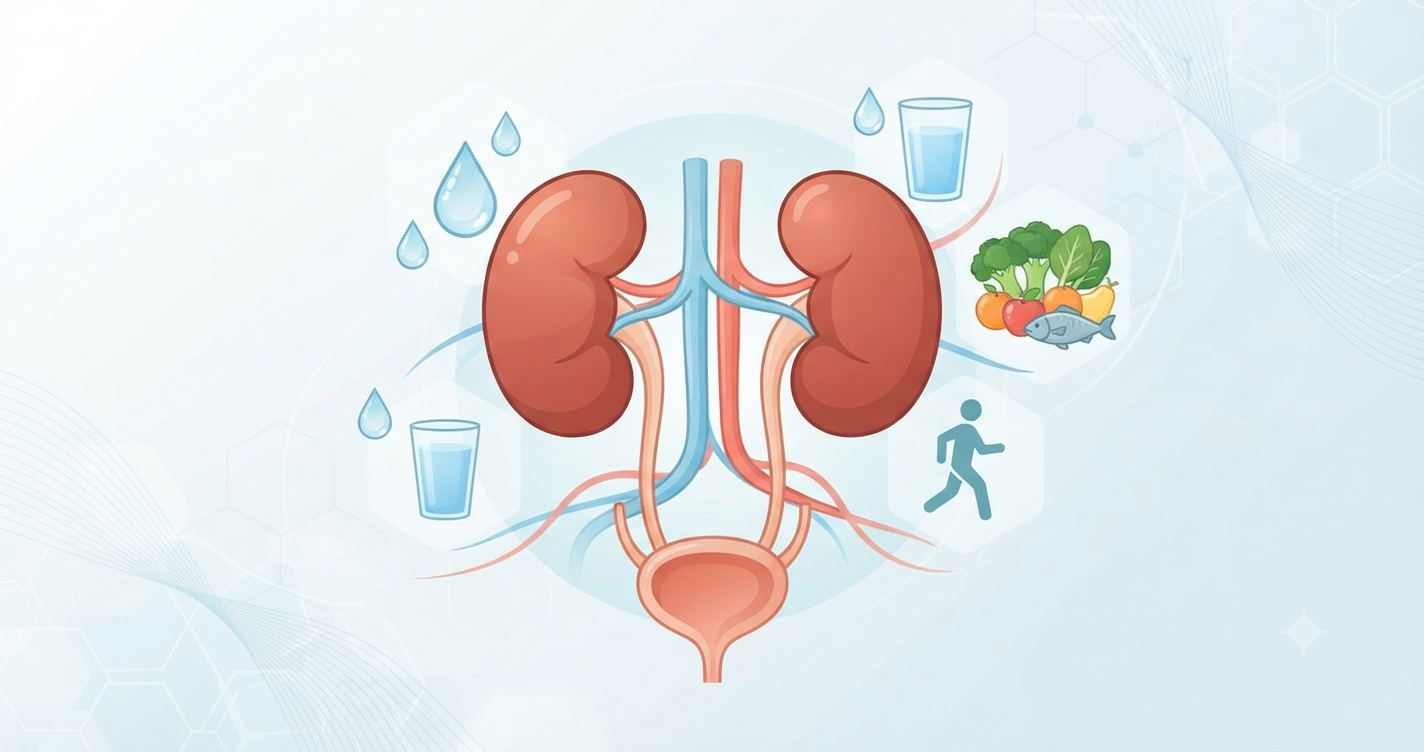
Maintaining healthy kidney function is essential for overall wellness. Many people search for how to lower creatinine after receiving abnormal blood t
Maintaining healthy kidney function is essential for overall wellness. Many people search for how to lower creatinine after receiving abnormal blood test results or experiencing signs of reduced kidney performance. Creatinine is a waste product produced by muscles and filtered through the kidneys. When kidney filtration slows, creatinine levels may rise in the bloodstream. In this content, we provide evidence-based lifestyle strategies that support kidney health rather than quick fixes. Research shows that balanced nutrition, hydration, physical activity, and proper medical care can contribute to healthier kidney function and improved long-term outcomes.
Understanding How to Lower Creatinine
Creatinine is formed during normal muscle metabolism and is removed through the kidneys. Healthcare providers commonly measure blood creatinine and estimate the glomerular filtration rate (eGFR) to evaluate kidney function. Elevated creatinine does not always indicate chronic kidney disease, as dehydration, intense exercise, high muscle mass, certain medications, or temporary illness may also influence results. However, consistently high levels deserve medical attention. Understanding the factors that affect kidney filtration allows individuals to make informed lifestyle choices that may help preserve renal function and reduce future complications.
How to Lower Creatinine with a Kidney-Friendly Diet
Learning how to lower creatinine often begins with improving dietary habits. Clinical nutrition research suggests that a kidney-friendly eating pattern may reduce the workload placed on damaged kidneys. Focus on fresh vegetables, fruits suitable for your condition, whole grains, healthy fats, and moderate portions of high-quality protein. Processed foods containing excessive sodium, preservatives, and added phosphorus should be limited. Individuals with advanced kidney disease should follow personalized dietary recommendations provided by a registered dietitian, since nutritional requirements vary according to kidney function and laboratory findings.
Best Foods That Support Kidney Health
Choosing nutrient-rich foods may help support normal kidney function over time.
- Fresh apples, berries, grapes, and cherries
- Cabbage, cauliflower, bell peppers, and onions
- Garlic and herbs instead of excess salt
- Olive oil and avocado oil in moderation
- Oats, brown rice, and other whole grains
- Egg whites as a lower-phosphorus protein source
- Fish rich in omega-3 fatty acids
- Unsalted nuts in appropriate serving sizes
- Fresh homemade meals instead of packaged foods
These foods provide antioxidants, vitamins, minerals, and anti-inflammatory compounds that contribute to overall renal health while supporting cardiovascular wellness.
Stay Properly Hydrated For Natural ways to lower creatinine

Adequate hydration helps the kidneys remove waste products efficiently. Drinking enough water supports normal urine production and may prevent dehydration-related increases in creatinine. However, excessive fluid intake is not appropriate for everyone. People with heart failure, advanced kidney disease, or fluid retention often require individualized fluid recommendations from their healthcare provider. Water remains the best hydration choice for most healthy adults. Sugar-sweetened beverages, excessive energy drinks, and high-sodium sports drinks should generally be minimized because they may negatively affect blood pressure and kidney health.
Reduce Sodium to Protect Kidney Function
High sodium intake contributes to elevated blood pressure, fluid retention, and increased stress on the kidneys. Research consistently links excessive sodium consumption with worsening kidney disease progression. The Dietary Guidelines for Americans recommend limiting sodium intake to approximately 2,300 milligrams daily for most adults, while many kidney patients may benefit from even lower amounts under medical supervision. Reading nutrition labels, preparing meals at home, and seasoning foods with herbs instead of salt can significantly reduce sodium intake while maintaining enjoyable flavors.
Choose Protein Wisely for Better Kidney Health

Protein is essential for maintaining muscles, repairing tissues, and supporting immune function. However, excessive protein intake may increase creatinine production and place additional demands on impaired kidneys. Healthcare providers often recommend moderate protein intake rather than high-protein diets for people with chronic kidney disease. Lean poultry, fish, eggs, tofu, and legumes may provide quality protein sources depending on individual dietary recommendations. Personalized nutrition remains important because protein needs differ according to kidney disease stage, age, physical activity, and overall health status.
Exercise Regularly Without Excessive Intensity
Physical activity supports cardiovascular health, healthy body weight, blood sugar control, and blood pressure management, all of which influence kidney function. Moderate exercise such as walking, cycling, swimming, or yoga offers substantial health benefits. Extremely intense workouts, however, may temporarily increase creatinine because of increased muscle breakdown. Most adults benefit from approximately 150 minutes of moderate aerobic activity each week combined with muscle-strengthening exercises twice weekly. Gradually increasing activity levels helps reduce injury risk while promoting sustainable fitness habits and overall metabolic health.
Manage Medical Conditions That Affect Kidney Function
Many chronic diseases contribute to declining kidney performance. Diabetes and hypertension remain the leading causes of chronic kidney disease in the United States. Effective blood sugar management, healthy blood pressure levels, cholesterol control, and maintaining a healthy body weight significantly reduce kidney damage risk. Regular health screenings, medication adherence, and routine laboratory monitoring help identify changes before serious complications develop. Coordinating care with primary physicians, nephrologists, dietitians, and pharmacists provides a comprehensive approach to protecting long-term kidney health.
How to Lower Creatinine by Avoiding Harmful Lifestyle Habits

People researching how to lower creatinine should also recognize habits that may worsen kidney function. Smoking damages blood vessels supplying the kidneys, while excessive alcohol intake contributes to dehydration and elevated blood pressure. Long-term misuse of nonsteroidal anti-inflammatory drugs (NSAIDs), including certain over-the-counter pain relievers, may also impair kidney function. Avoiding tobacco products, limiting alcohol, using medications only as directed, and discussing supplements with healthcare professionals can reduce unnecessary stress on the kidneys and support healthier renal performance.
Monitor Kidney Health Through Regular Testing
Routine laboratory testing provides valuable information about kidney performance. Blood creatinine, estimated glomerular filtration rate, blood urea nitrogen, electrolyte levels, and urine albumin tests help healthcare providers evaluate kidney health over time. A single abnormal result rarely tells the complete story, making follow-up testing especially important. Individuals with diabetes, hypertension, cardiovascular disease, obesity, or a family history of kidney disease should discuss regular kidney screening with their healthcare provider. Early detection often allows lifestyle interventions before significant kidney damage develops.
Lifestyle Habits That Support Long-Term Kidney Wellness
Improving kidney health requires consistency rather than temporary dietary changes. Maintaining a healthy sleep schedule supports hormone regulation and blood pressure control. Many people also ask whether Dehydration Cause High Blood Pressure, and while dehydration can temporarily affect blood pressure levels, staying properly hydrated supports overall cardiovascular and kidney health. Managing stress through meditation, breathing exercises, or mindfulness may indirectly benefit heart and kidney function. Maintaining a healthy body weight reduces metabolic strain on the kidneys. Avoiding excessive processed foods, staying physically active, following prescribed treatments, and attending regular medical appointments create a comprehensive lifestyle approach. Small improvements practiced consistently often produce greater long-term health benefits than dramatic short-term changes.
Why Personalized Nutrition Matters for Kidney Health
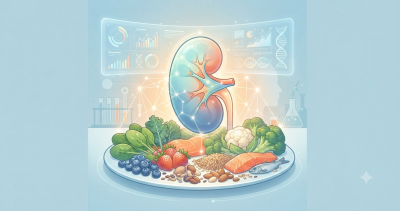
Every person’s kidney health journey is unique. Age, medical history, kidney disease stage, medications, and laboratory findings influence nutritional needs. Registered dietitians specializing in kidney disease develop individualized meal plans that balance calories, protein, sodium, potassium, phosphorus, and fluid intake. These personalized recommendations help prevent nutritional deficiencies while supporting kidney function. At Human Health Tips, we encourage readers across the United States to seek qualified medical guidance before making significant dietary changes, especially if chronic kidney disease or other medical conditions are already present.
Frequently Asked Questions
Why do high creatinine levels occur?
High creatinine levels commonly result from reduced kidney filtration, dehydration, uncontrolled diabetes, high blood pressure, certain medications, intense exercise, or temporary illness. A healthcare provider can determine the underlying cause through appropriate testing.
What foods should I avoid if my creatinine is high?
Many individuals benefit from limiting processed foods, excessive sodium, sugary beverages, highly processed meats, and excessive protein intake. Dietary restrictions should always be personalized according to kidney function and medical advice.
How long does it take to improve creatinine levels naturally?
The timeline varies depending on the underlying cause. Mild dehydration may improve within days, while chronic kidney disease requires long-term medical management, healthy eating, and consistent lifestyle changes.
Where can I receive guidance about a kidney-friendly diet?
A nephrologist, primary healthcare provider, or registered renal dietitian can develop a personalized nutrition plan based on laboratory results, kidney function, medications, and overall health status.
Why is regular kidney screening important?
Regular kidney screening identifies early changes before symptoms become severe. Early diagnosis allows timely treatment, healthier lifestyle modifications, and better management of conditions that may affect kidney function.
COMMENTS